


















![[ERROR]: Lack of Women in the Software Industry](https://theechohsmse.com/wp-content/uploads/2024/12/APC_0280-984x1200.jpeg)



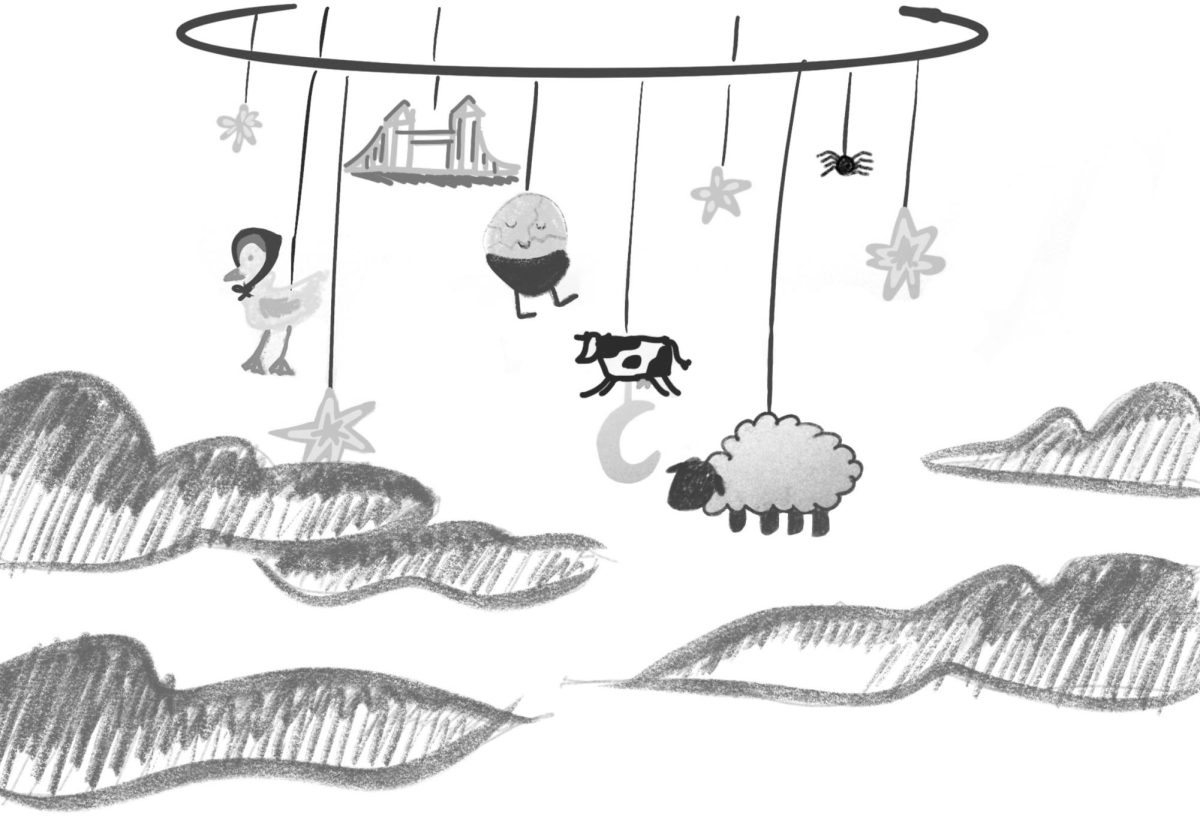
At first, nursery rhymes seem completely harmless and connected to the innocence of childhood. They are usually some of the first songs children learn, with happy tunes and fun hand motions. Because of this, most people think they were created just to entertain kids. However, if you look more closely at the lyrics and their origins, you’ll find that many of them are surprisingly dark. Their creepy tone comes from the difficult time periods in which they were written, the hidden meanings behind simple words, and a time when fear was often used to teach lessons. We’ve heard these songs so many times growing up that we never really stop to think about what they actually mean. That’s what makes the darker meanings so shocking.
Many nursery rhymes were written hundreds of years ago, when life was much harder than it is today. Disease, poverty, and war were common, and many children did not survive to adulthood. Tragedy was a normal part of life, so people were not as focused on protecting children from dark topics. Nursery rhymes reflected these realities. For example, “Ring Around the Rosie” is often connected to the symptoms of the plague, and “Rock-a-bye Baby” describes a cradle falling from a tree. What sounds disturbing to us today may have seemed normal to people back then because those dangers were part of everyday life. When you compare that time to now, it really shows how much our idea of childhood has changed.
Some rhymes also feel unsettling because they contain hidden meanings. Even though they sound playful, they sometimes cover up real political problems or social fears. This made them easier to remember and pass down. For example, some historians believe “London Bridge Is Falling Down” may connect to worries about the bridge collapsing or old superstitions. Over time, people forgot the historical periods and events associated with these songs, but the strange images stayed in the lyrics. That is why they can still feel creepy when we really think about the words. It’s quite bizarre how we still repeat these songs without even knowing where they came from.
In addition to their relation to grim points in history, nursery rhymes are so dark because they were used to teach children discipline. In the past, adults believed that scary stories were an effective way to make children behave. Instead of shielding kids from harsh ideas, society expected children to understand consequences early in life. Some rhymes focus on the threat of punishment or injury to make sure children listened. They were not only meant to comfort, but also to teach obedience and respect for authority. Because these rhymes were passed down by word of mouth, the dramatic and shocking parts made them easier to remember. This helped the darker details survive, even as society changed. As ideas about childhood became more focused on innocence and protection, the words of the rhymes mostly stayed the same.
Today, nursery rhymes are somewhat ironic. We still sing these old songs to children without always realizing how dark they really are. They show how the culture of a time period can last longer than the time period itself. Even though parenting styles have changed, people still use storytelling to process fear and teach lessons. The mix of cheerful music and dark meanings is what makes nursery rhymes both unsettling and memorable. Even in modern movies, shows, and social media trends, people still mix cheerful images with darker themes, proving that this contrast continues to interest us.