







































![[ERROR]: Lack of Women in the Software Industry](https://theechohsmse.com/wp-content/uploads/2024/12/APC_0280-984x1200.jpeg)






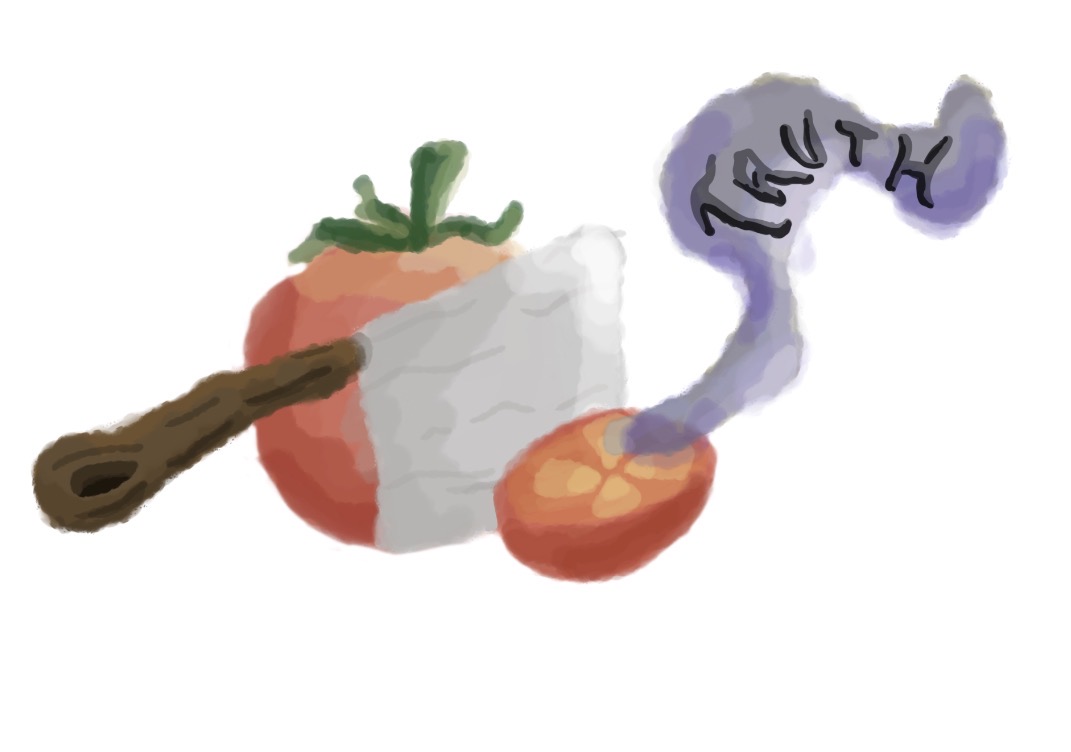
If you have ever gone grocery shopping, then you’ve probably realized that the tomatoes are all copies of one another, perfect in every way except for taste. Every aspect that makes a tomato unique is sucked away when you buy them at the store. So how do farmers get their tomatoes to be perfectly ripe and red?
In the US, tomatoes are grown largely in California and Florida, from June to October. California accounts for more than half of the US’s crops, and 50% of the US’s tomato production. Centralized farming causes large companies to dominate the industry, such as Morning Star—a Californian company that is the world’s largest producer of tomatoes. Tomatoes are delicate, especially when ripe, leading to difficulties when trying to ship them across the US. Large corporations are forced to pick tomatoes when they are not ripe, so they can be transported more easily. So then how are tomatoes so perfectly plump, round, and ripe when you buy them at the store?
There are multiple ways in which a tomato can ripen. The first—mostly used in small farms—is to naturally pick the tomato when it is fully ripe, but this method is the most time consuming, and leads to difficulties with transportation. The second is to pick the tomato when it isn’t fully ripe but allow it to ripen whilst being transported. This method allows for easier transportation, and cuts the time spent growing the tomato. And finally, they can use a gas called ethylene—a naturally occurring hormone in certain fruits—that speeds up its ripening process. The use of ethylene is helpful for growing plants because it reduces the time it takes for a plant to grow, whilst also quickly preparing plants for sale. It is important to note that ethylene is said to not have an impact on the taste of tomatoes.
So then, what makes a tomato taste good? It’s actually the time at which a tomato is picked that determines its taste. A tomato picked while green will not taste as good as a tomato that is fully ripe, even if both tomatoes end up reaching the same level of ripeness when you buy them. Most importantly, ethylene has little to no effect on the flavor of a tomato.
Most large corporations are focused on profit versus the quality of product. Picking tomatoes at early stages saves a lot of money for these companies. The company can spend less money on labor and resources to grow the plant and they will be able to sell off a lot more tomatoes if they aren’t destroyed during production. Sometimes companies will further prioritize profit by picking plants when they are not only green, but immature green, leading to even worse flavor profiles.
But if most store-bought tomatoes don’t taste as good because of their mass production, where should you turn to for good tomatoes? The answer is heirloom tomatoes. Heirloom tomatoes, despite being a lot harder to come by, have a lot more flavor. An heirloom tomato is unique because each variety is special, coming in all shapes, sizes, and colors. Heirlooms come from seeds from generations worth of plants, each farmer having their own variety. Heirlooms are pollinated naturally, and do not use any genetic modification for consistency.
It is so important to know where your food comes from because it’s how you survive and grow. Tomatoes aren’t the only industries where more is hidden than meets the eye. Many food industries exploit their workers and focus on profit over quality and conditions. So, maybe next time you are shopping for groceries, stop to think: What am I about to eat and where does it come from?