





























![[ERROR]: Lack of Women in the Software Industry](https://theechohsmse.com/wp-content/uploads/2024/12/APC_0280-984x1200.jpeg)






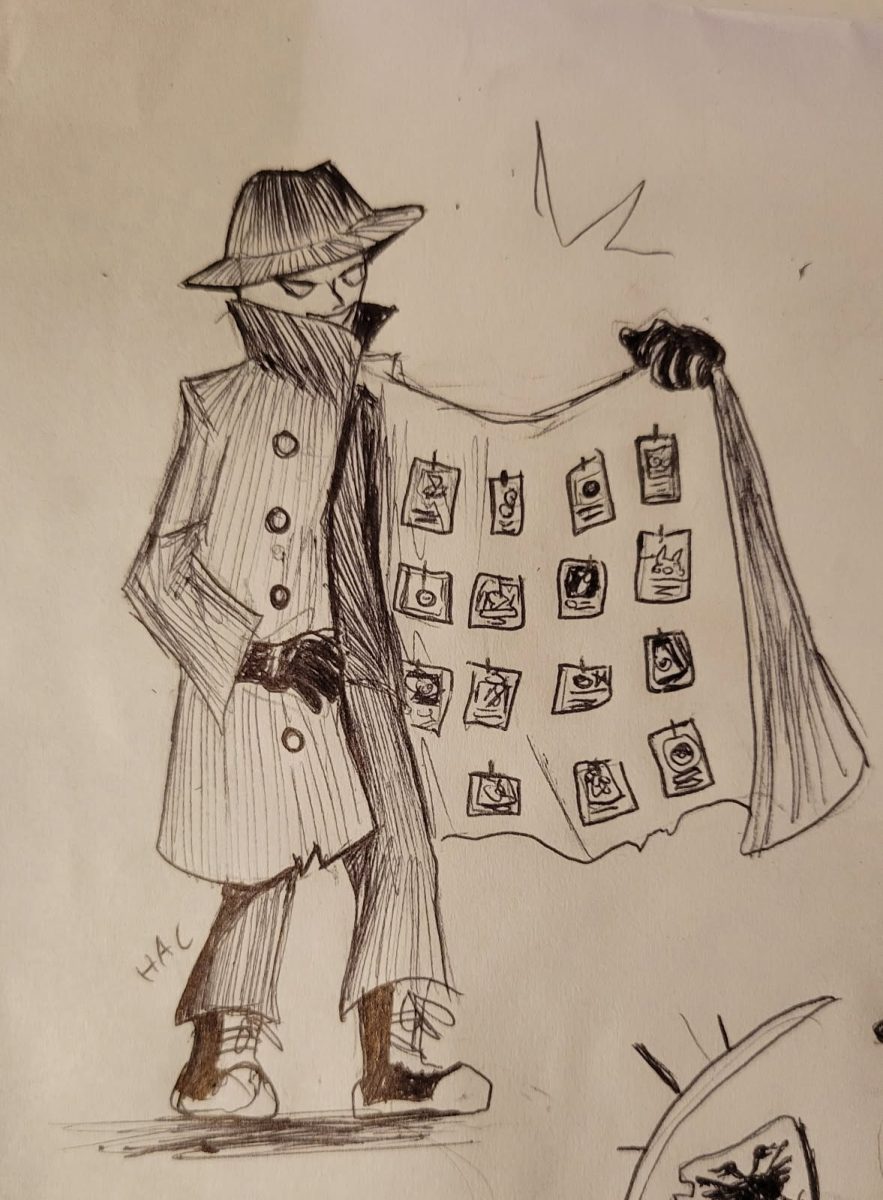
I’m not sure hate is the right word, but I certainly don’t love the self-styled “opportunists” who seem to snatch up stocks of Pokémon cards before they even hit the shelves. Getting Pokémon cards in this economy has proved to be a massive chore with the sheer amount of individuals buying out stock en masse and reselling it at inflated prices, turning what used to be full shelves of cards into a virtual wasteland. How on earth did this innocuous children’s hobby turn into an economic battlefield?
Let’s start with the “opportunists” (aka scalpers) themselves first. Scalpers don’t tend to see themselves as the bad guys; they simply think that they’re savvy day traders who ration demand, and they feel proud of where their actions have gotten them. After all, what’s wrong with seizing opportunities to make a few bucks? But many members of society view scalping in a different light: a greedy, evil practice carried out by true rats. Scalping is no new issue; the term “scalper” dates all the way back to the 1800s and the practice itself is likely much older. It’s the pandemic that really magnified the problem in the modern day. Factors like widespread job loss and panic buying contributed to a rise in both the amount of scalpers and the range of products being scalped during the pandemic, introducing more people than ever to the issue as they either scrambled to find decent prices for toilet paper or started flipping rolls off at inflated prices.
But why choose to scalp a children’s toy like Pokémon cards on such a mass scale? Sure, buying out choice lucrative collectibles would make sense from an investment standpoint, but the entire stock of thousands of stores nationwide seems a tad excessive. Thankfully, this mystery can once again be solved by looking at the pandemic. Stuck at home with nothing to do, more people cleaned their homes than ever, and the popularity of Pokémon amongst children in the ’90s meant tons of people had collections just waiting to be unearthed. Combined with the foundation laid by Pokémon Go four years prior, Pokémon cards were allowed to experience a resurgence in popularity during 2020. And wherever substantial market growth appears, scalpers will too.
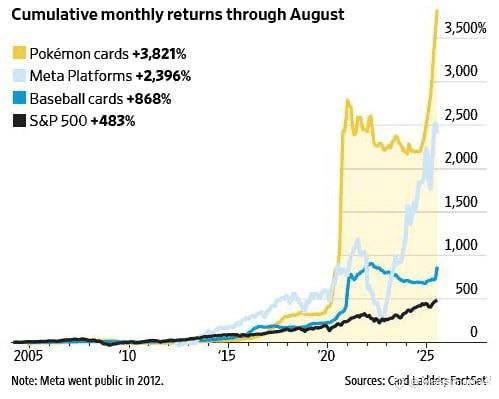
Part of the problem with scalping Pokémon cards is that the hobby is essentially gambling—one must open individual booster packs to see what’s inside. To maximize chances of a favorable return on investment by getting a highly valued card, scalpers have to buy a lot of packs, so they often buy out entire stores. Because Pokémon card booster packs themselves are bought so frequently, a consistent demand is created, virtually ensuring quick profits if sold on the secondary market. In addition to these issues, the sheer volume of cards missing from store shelves can often mean that scalpers are the only ones supplying cards, allowing them to control inventory and price.
The impact of Pokémon card scalping on the community has been detrimental, with effects ranging from net profit loss to people quitting the hobby altogether. Though the Pokémon company is currently benefiting from the reliable demand scalping generates, it has indicated that it is trying to fight off the scalping problem, using methods such as increased printing of certain sets and additional anti-bot measures to try and diminish the problem. However, due to the present positive results that scalping has had on the value of the Pokémon TCG as a whole, it’s unlikely that Pokémon will take measures to completely eliminate it.
Even though scalping is a scorn-worthy practice, there is not much real legal basis to punish most scalpers for their money-making schemes. The only rules in place govern the usage of bots, which are designed to complete online transactions much faster than a human being in order to secure stock and sometimes even circumvent product purchase limits. These regulations can’t solve the issue of in-person scalping or rapid depletion of available stock through the sheer quantity of scalpers buying to make a profit. Regardless, the sort of practice that would drive grown adults to fisticuffs over a children’s toy deserves no praise whatsoever. The only real solution to scalping would be a collective agreement by the community to stop buying the product altogether, denying scalpers the opportunity to make a profit. But as such a situation is unlikely to ever happen, it looks like scalpers are here to stay.