





























![[ERROR]: Lack of Women in the Software Industry](https://theechohsmse.com/wp-content/uploads/2024/12/APC_0280-984x1200.jpeg)







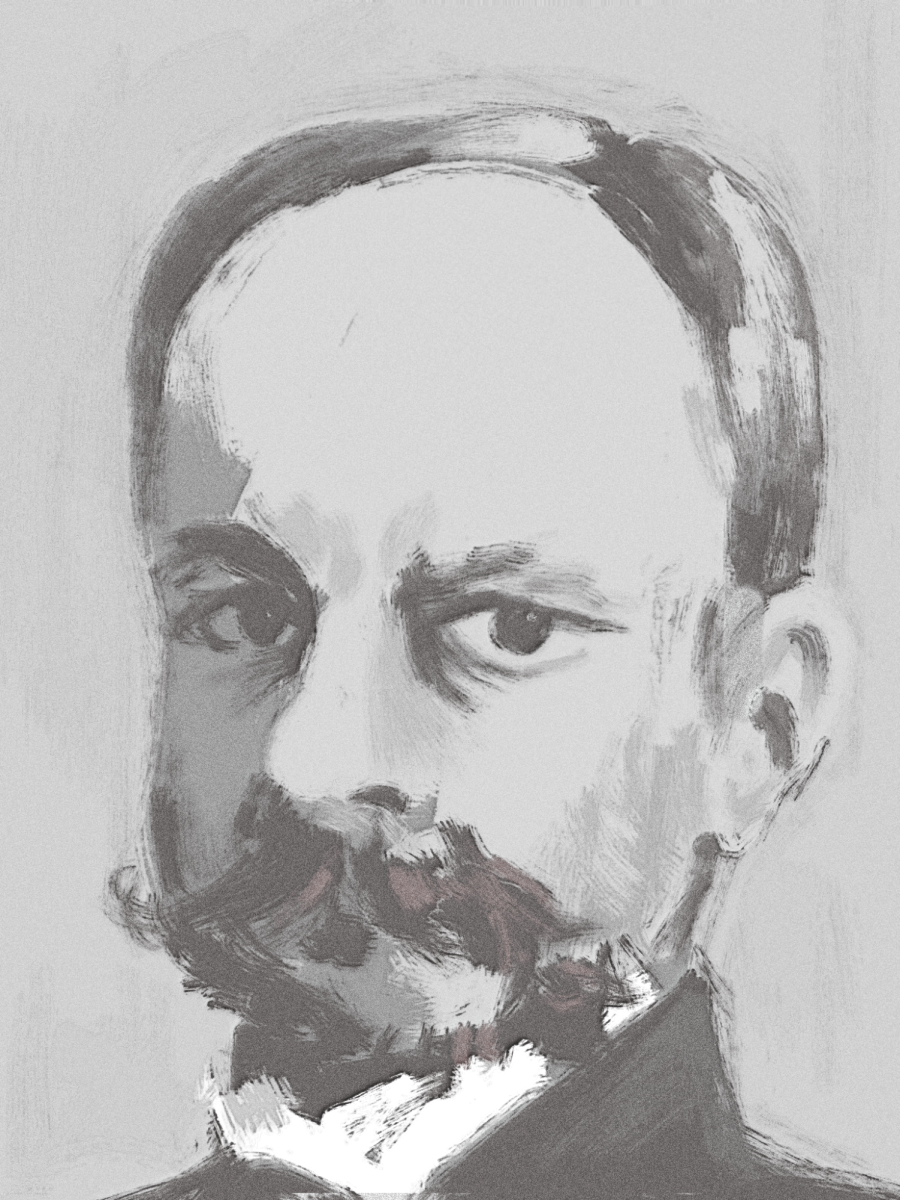
Rafael Guastavino is not a super well-known name to most people, but his work is practically everywhere you look in New York City. Born in Valencia, Spain, Guastavino moved to the United States in 1881 and brought along building techniques that were considered really unorthodox compared to American architecture at the time. Over the next few decades, he and his son worked on many major landmarks and helped change how public spaces were designed, even if they did not always receive the individual credit they deserved.
What made Guastavino truly notable was his use of timbrel vaulting. This was a unique method where thin terracotta tiles were layered with mortar to create ceilings and arches that were lightweight yet extremely strong. This technique also made buildings more fireproof, which was a massive concern for cities at the time. Beyond its safety value, the work was also aesthetically pleasing. Guastavino’s designs successfully blended older Mediterranean styles with the heavy-duty infrastructure that a growing place like New York City needed.
Once you start paying attention to the specific tile patterns, you can see his influence all over the city. In Grand Central Terminal, he designed the famous Whispering Gallery located near the Oyster Bar. The specific curve of the tiles makes it so you can hear someone whisper from across the room, which is something you really have to experience in person to understand.
He also worked on the Cathedral of St. John the Divine, where the massive dome demonstrates just how sturdy his designs could be. At Ellis Island, in the Registry Room, his tiles helped create a grand, safe, and easy-to-clean space for arriving immigrants. Even the old City Hall subway station shows how he could make something as utilitarian as a train station look detailed and intricate with arches and decorative tilework.
The Whispering Gallery remains one of the best examples of his genius. Reading about the acoustics does not really do it justice; when you actually stand there and hear someone’s voice travel perfectly across the space, it’s honestly breathtaking. It makes a busy, normal place feel more interactive and alive. It also proves that Guastavino was not just building things to be strong, but was also thinking about how people would actually use and experience the space around them.
Even though most people do not know his name today, Guastavino had a huge impact on the fabric of New York City. His designs not only hold these massive buildings up, but they also change how people move through and interact with the city. Once you finally notice his work, you start to see his legacy everywhere.