




























![[ERROR]: Lack of Women in the Software Industry](https://theechohsmse.com/wp-content/uploads/2024/12/APC_0280-984x1200.jpeg)



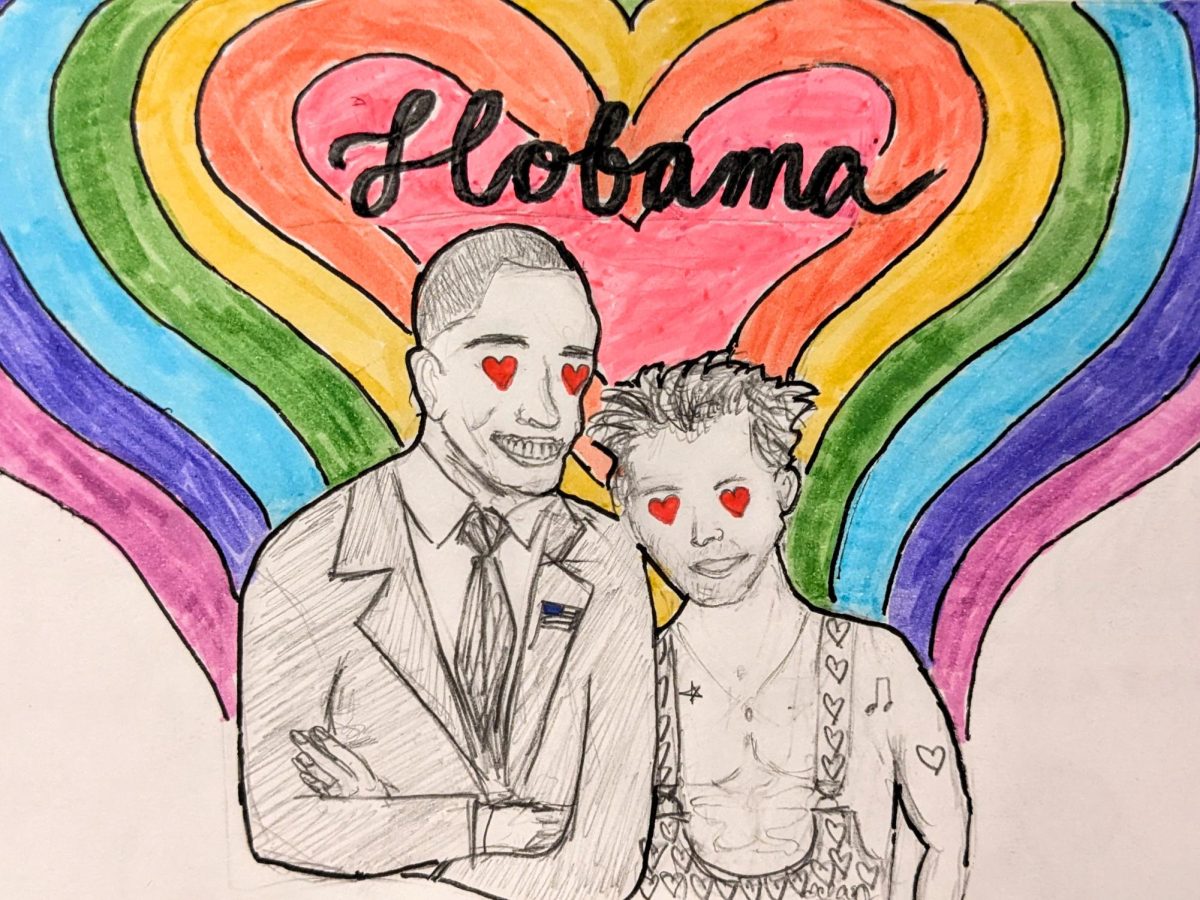


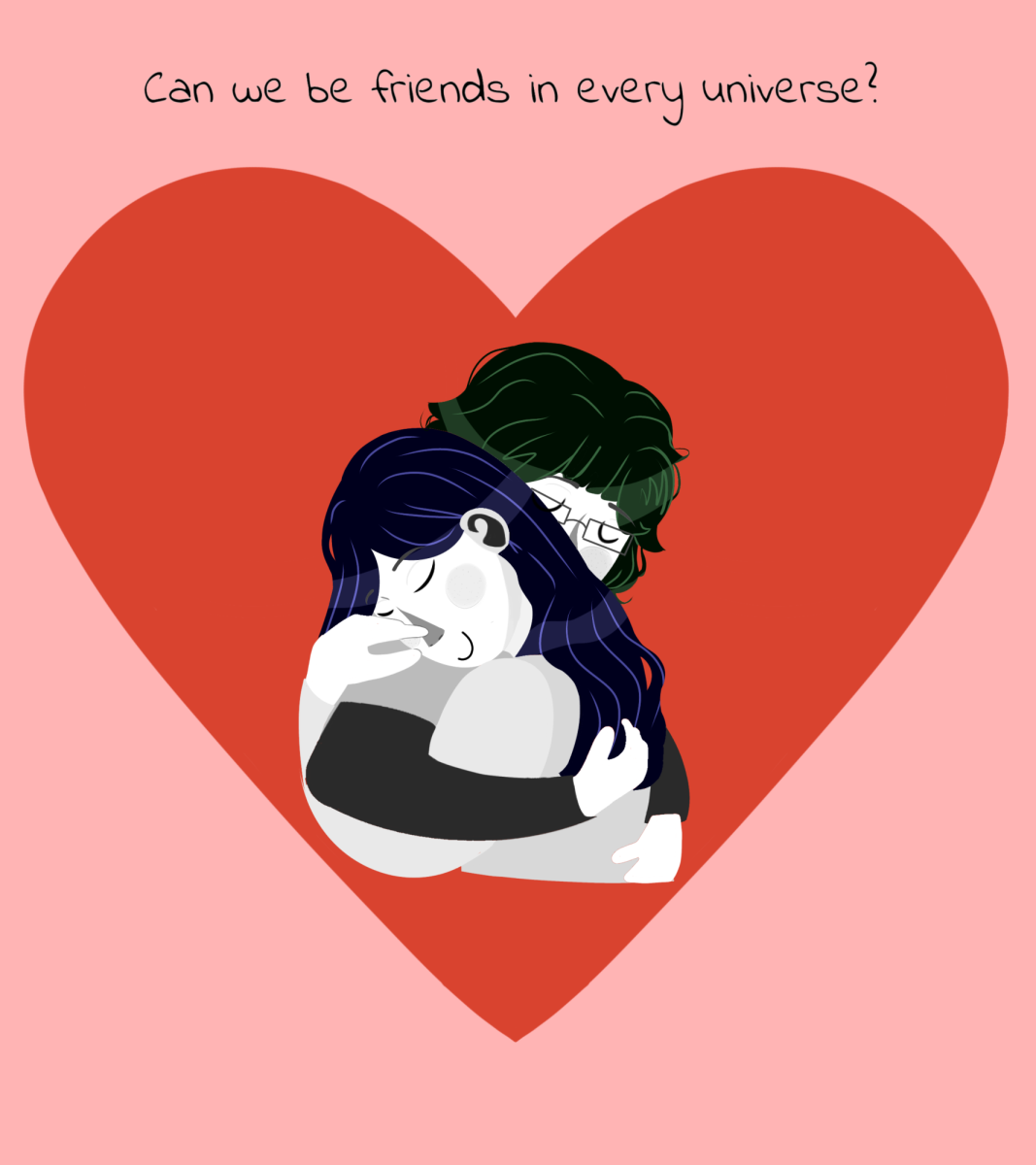
The heart. It’s such an iconic shape that it’s become language (name one person who hasn’t used the emoji). It’s the world’s universal bearer for love. It’s on walls and the “I Love NYC” T-shirts. This February, it’ll be on cards, posters, candies, and even billboards. The most used emoji is a heart. But why is it shaped the way that it is?
The symbol of a heart was created during the ancient Greek period, when “birth control” was the equivalent of the seedpods of a type of plant called Silphium. Along with the idea that feelings came from the heart, this gave the plant a reputation for love, romance, and sex. Because the city of Cyrene earned so much money from this plant, the Greeks put the shape of the pods onto their coinage, “coining” the symbol that we value to this day.
A couple of kilometers away from Cyrene was Aristotle, who wrongly believed that the heart had three cavities with a dent in the middle (the heart actually has four cavities). This resulted from a taboo against dissecting the human body; people dissected birds instead and assumed that the heart of a bird (which does look like the symbol of a heart) would be the same as a human heart. Although this idea would be considered idiotic nowadays, the Greeks decided to adopt it.
The Medieval period (500–1500) was when the heart started being used as a symbol of love. The 13th century love poem “Le Roman De La Poire” was the first time the concept of “giving” one’s heart to someone else represented love or affection. However, the first use of the modern heart was in the 15th century Italian poem titled “Documenti d’amore,” depicting Cupid on horseback throwing arrows, roses, and hearts at bystanders. After that, people became so used to the icon of a heart that it just stuck.
Though the connection between hearts and love was well established throughout the Middle Ages, it was not prominent until the mid-17th century. In the Middle Ages, Valentine’s day was established as an Anglo-French nobility tradition for courtly love. One part of the holiday was to send a gift (most commonly a letter) to a lady. These letters used to be a few simple verses, but later featured drawings and paintings that included hearts. Commercial Valentines often featured woodcuts of Cupid, flowers, birds, and hearts. The Industrial Revolution allowed for the mass-production of these cards, which were now readily available to the general public. These cards looked to their predecessors for inspiration, and thus, these novel cards featured hearts as well.
But how did “heart” become a verb and not just art? In 1977, Milton Glaser, a relatively celebrated artist, created the iconic “I ♥ ️ NY” design to revitalize NYC’s image and economy, and boost morale for a city in the middle of a crime and trash disposal crisis. This icon helped redefine NYC as a chic, exciting city and turned the heart into a pro-verb for love. During the creation of the emoji by the NTT DoCoMo company, 5/177 of the emojis that were initially released were heart emojis, with different styles and colors. This made the heart synonymous with “love” in how we communicate with each other. So, next time you open a letter or a candygram, you’ll know where the heart came from, and what it stands for.
Why are Hearts Hearts?

Original Art by