


















![[ERROR]: Lack of Women in the Software Industry](https://theechohsmse.com/wp-content/uploads/2024/12/APC_0280-984x1200.jpeg)




You have probably heard of the ban that hit TikTok users across America, but what are the details behind it and how does it impact the future of social media? TikTok, a social media app, allows users to create and share short videos of content and allows people to “friend” each other. It started when U.S. officials claimed that TikTok threatened the safety of American users by spying on them or showing them propaganda on the app. This included FBI Director Christopher Wray, who claimed that the Chinese government “spies” on the American public through TikTok’s software. Similar claims have come from experts around the world, proposing that TikTok steals users’ data to develop sophisticated Artificial Intelligence. Attorney General Merrick B. Garland shared similar sentiments, stating that the court’s decision to uphold the ban would prevent the Chinese government from weaponizing TikTok to undermine America’s national security.
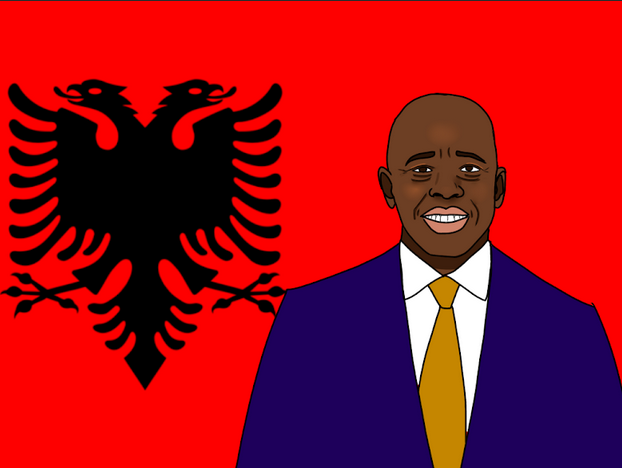
Eventually, TikTok CEO Shou Chew was requested to testify before Congress and discuss the app’s data practices. During Chew’s congressional hearing however, some of the questions posed by lawmakers were quite unusual, and showed a fundamental misunderstanding of how social media and technology work. For instance, Representative Cathy McMorris Rodgers asked if TikTok could access home WiFi networks, suggesting that the app could potentially spy on users through their home networks. Chew had to clarify that TikTok does not directly access home WiFi networks, but it does collect data related to internet connections. Another peculiar question came from Senator Tom Cotton, who asked if putting a phone on airplane mode would prevent TikTok from communicating with the plane. This question seemed to stem from a misunderstanding of how airplane mode works. Chew had to explain that airplane mode disables cellular, Wi-Fi, and Bluetooth connections, preventing the app from communicating with any external networks. Yet another exchange with Senator Tom Cotton also proved peculiar. Cotton repeatedly questioned Chew about his citizenship and any potential ties to the Chinese Communist Party, asking, “You said today, as you often say, that you live in Singapore. Of what nation are you a citizen?” Chew responded firmly, “Senator, I’m Singaporean.” Cotton then asked if Chew had ever applied for Chinese citizenship or been a member of the Chinese Communist Party, To which Chew reiterated, “No, Senator. Again, I’m Singaporean!”
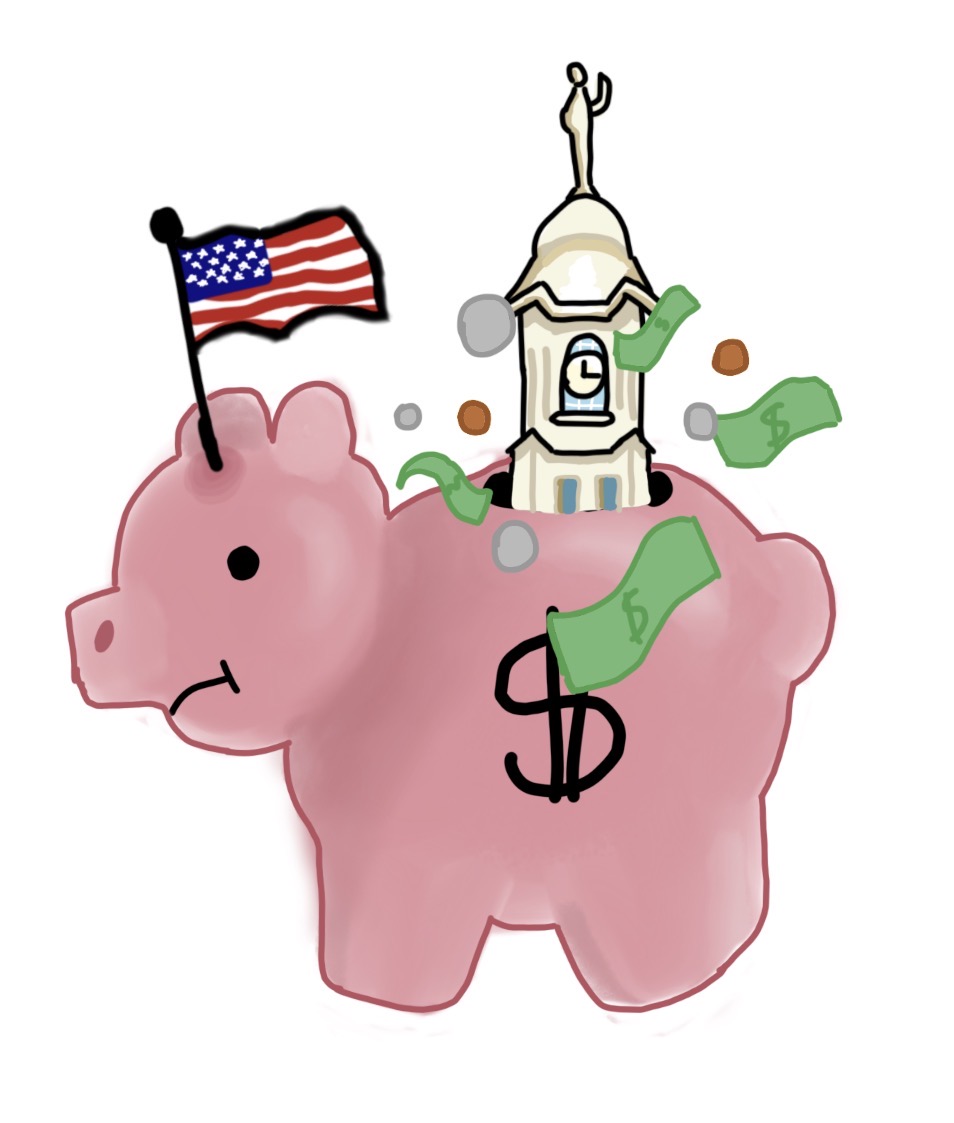
According to Congress, ByteDance, the company that owns TikTok, could be compelled to share user data with the Chinese government to comply with China’s national security laws. In response, ByteDance has repeatedly denied these allegations, stating that TikTok stores U.S. user data on American and Singaporean servers, with a plan to shift entirely to a U.S.-based cloud system under “Project Texas,” a $1.5 billion initiative aimed at addressing these security concerns. This project would also aim to allow third-party inspectors to “conduct an independent inspection of the source code,” helping to minimize security threats. However, officials remained skeptical and this plan to shift to a U.S. cloud system has yet to be done. As a result of these uncertainties, in April 2024, Congress passed the “Protecting Americans from Foreign Adversary Controlled Applications Act.” This act bans apps controlled by foreign governments, specifically those owned by Chinese companies like ByteDance, TikTok’s parent company. The law required ByteDance to sell its U.S. operations within nine months or face a nationwide ban.
ByteDance however, did not sell its U.S. operations and as a result the ban went into effect on January 19, 2025, causing TikTok to be dysfunctional for U.S. users for a few hours. Users were met with a pop-up that stated, “A law banning TikTok has been enacted in the U.S. Unfortunately, that means you can’t use TikTok for now. We are fortunate that President Trump has indicated that he will work with us on a solution to reinstate TikTok.” Later, the situation took an optimistic turn when President Donald Trump issued an executive order on his first day in office to delay the ban for 75 days and he claimed to have “a warm spot for TikTok.” This move allowed his administration to consult with advisors to address these national security concerns. Trump’s decision to extend the ban was met with mixed reactions. While some praised the move to keep the app, others criticized it as a means to gain political favor. Trump stated that after promoting himself on TikTok he won “young people by up to 36%” in an interview, which is most likely why he wanted to keep the app. This shows how much TikTok allowed him to win favor among young users and gain leverage. Despite the extension, TikTok remained unavailable on app stores for some time but is now readily available again.
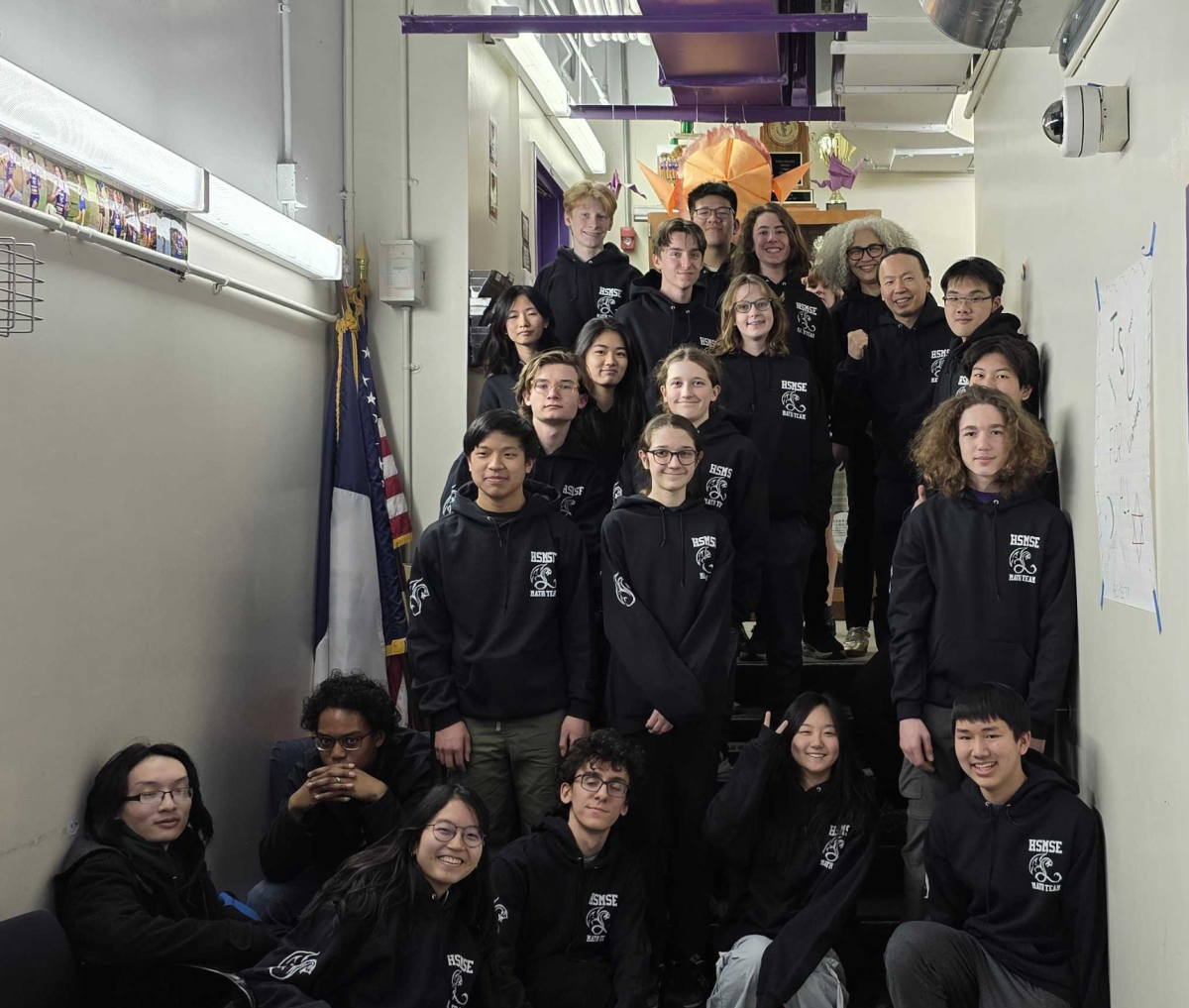
As of now, the future of TikTok in the U.S. remains uncertain and famous individuals like Kevin O’Leary and MrBeast have joked about buying the app. ByteDance has expressed its willingness to sell its U.S. operations, but no deal has been reached yet. The TikTok ban highlights the ongoing struggle between national security concerns and the desire for access to popular social media platforms, especially among Chinese apps. This dilemma also brings attention to both the state of privacy in commonly used social media apps. As the debate continues, millions of Americans have switched to popular Chinese social media Xiao Hong Shu (also known as RedNote) in order to “troll” the government as a way of revenge. Many TikTok enthusiasts are concerned about the ban, including the students at HSMSE who use the app everyday and the 120 million other American users. This dilemma also brings attention to privacy and only time will tell how the government will decide to handle foreign social media.