



























![[ERROR]: Lack of Women in the Software Industry](https://theechohsmse.com/wp-content/uploads/2024/12/APC_0280-984x1200.jpeg)




Every December, when the holidays roll in, the streets fill up with Christmas lights, ads, and nonstop reminders that the holiday is approaching. Hanukkah is also easy to spot, with countless menorahs in windows and flyers everywhere for community events, like Chanukah on Ice at Wollman Rink, for example. Kwanzaa, however, is frequently missing from the picture. Even in New York City, which is home to so many cultures, a lot of people don’t know what Kwanzaa is and why people celebrate it. At HSMSE, a very diverse school, it makes sense to learn about traditions that matter to our classmates, especially the ones that don’t always get much attention.
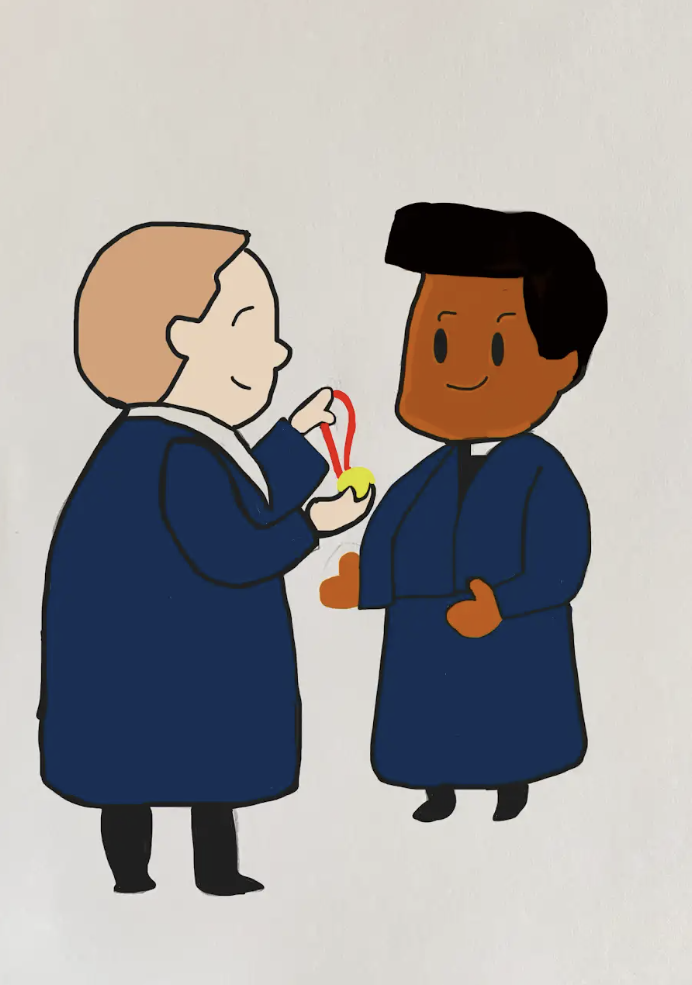
Kwanzaa is a cultural holiday that honors African heritage, unity, and community. It was created in 1966 by Dr. Maulana Karenga, a professor and activist during a period when many African Americans were fighting for civil rights and cultural recognition. Karenga wanted a celebration that encouraged people to reconnect with their roots and to take pride in their identity. Kwanzaa isn’t meant to replace Christmas or Hanukkah. It was designed to be its own unique cultural celebration.
The holiday goes from December 26 to January 1. Many people think it is religious, but it isn’t. Kwanzaa is entirely cultural, and many families choose to celebrate it alongside other holidays, like New Year’s Eve and New Year’s Day. Its purpose is to highlight shared values and to reflect on how those values shape communities and families.
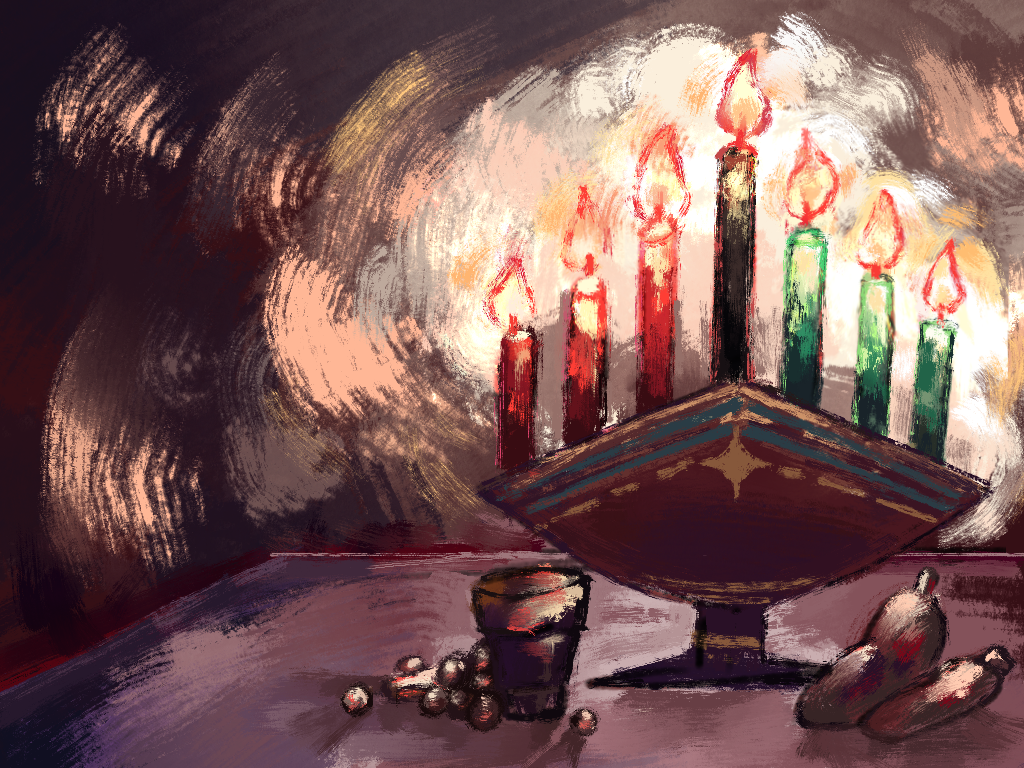
Kwanzaa is centered on seven principles known as the Nguzo Saba. These principles are unity, self-determination, creativity, faith, collective work and responsibility, economic collaboration, and purpose, all of which emphasize the importance of community building and having pride for your culture. Each day of Kwanzaa is centered around one of these principles. Families reflect on how each of these principles impact her everyday lives. Each of the seven candles in the kinara represent the principles. This is similar to Hanukkah, with both holidays using candles to represent notions of the fest.
There are also many symbols of Kwanzaa. Each symbol signifies acknowledgements for aspects of African-American culture. For example, the crops (mzao) represent historical roots of African-American endeavors in agriculture and the benefits of collective labor. Families cook traditional foods, tell stories, play music and reflect together on Kwanzaa.
Kwanzaa is a holiday about community, cultural pride, coming together, and celebrating identities. Learning more about the holidays that are celebrated by the HSMSE community is important if we want to fully understand those around us. It’s a good reminder that the holiday season isn’t just limited to the holidays we know, and that there’s always more to learn about our classmates’ traditions.