









![[ERROR]: Lack of Women in the Software Industry](https://theechohsmse.com/wp-content/uploads/2024/12/APC_0280-984x1200.jpeg)


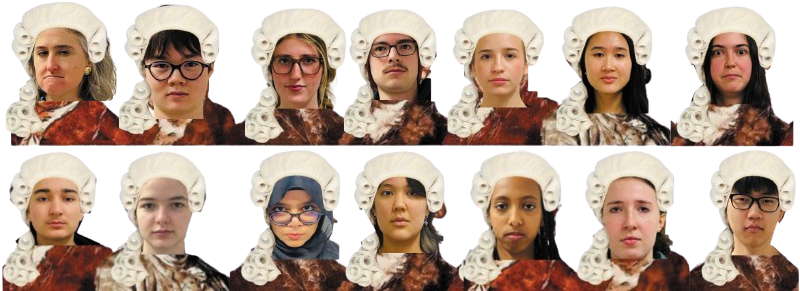

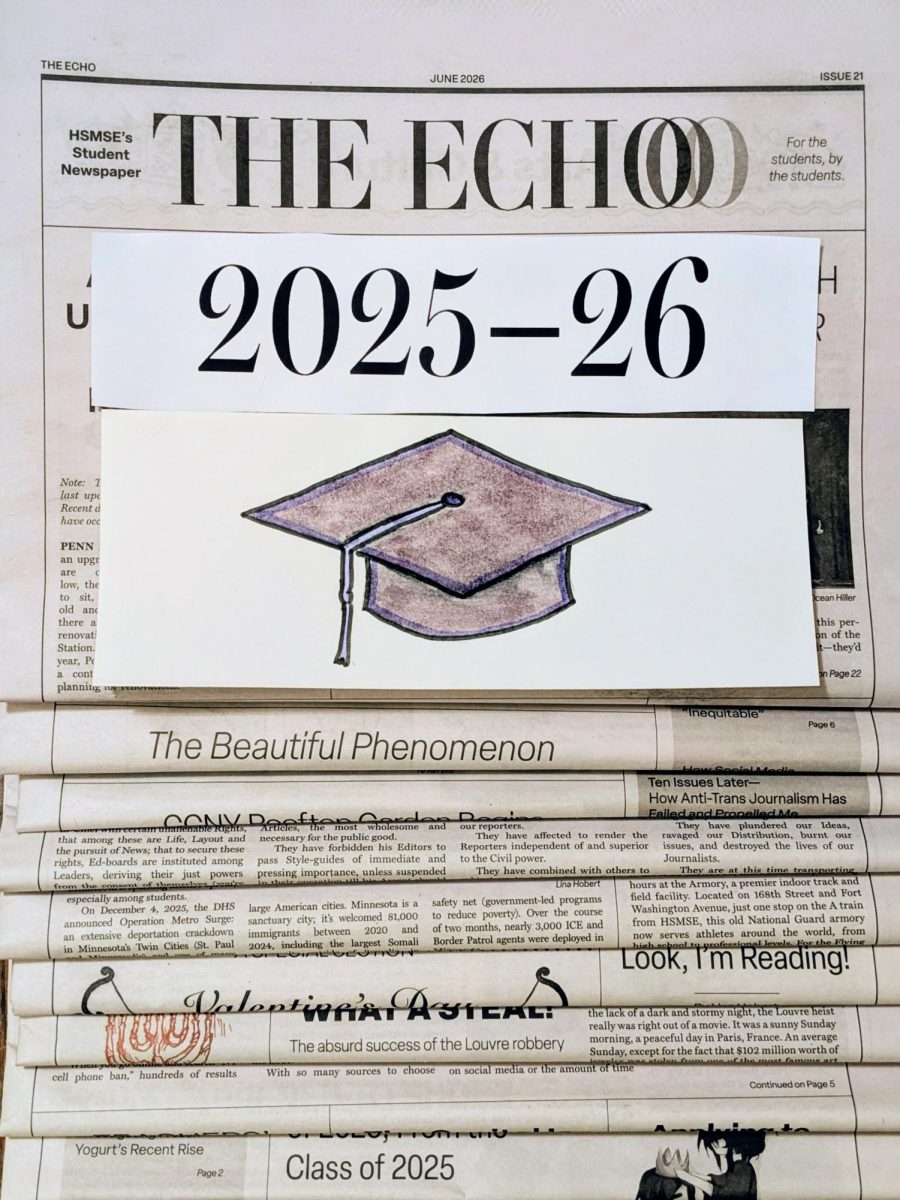
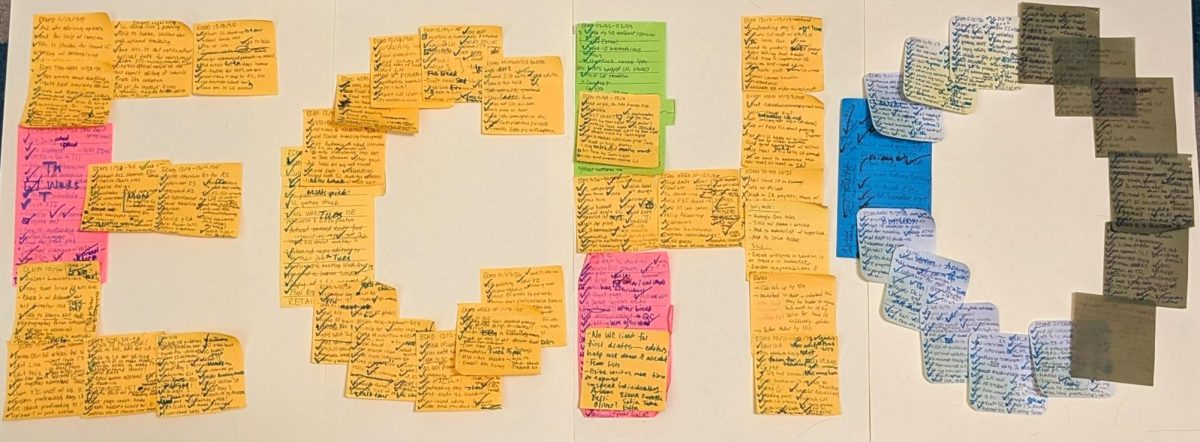
Open the Google Doc; tick the boxes on the masterlist; schedule interviews relentlessly; inhale the scent of a freshly printed issue; immediately brainstorm for the next one. I treasure these routines, and it’s hard to accept that I am currently writing my 32nd, and last, article for The Echo.
HSMSE’s student newspaper has been my most vibrant learning experience of the past four years—yet beyond reporting and editing techniques, it has taught me how to live with purpose. I hope the reflections below resonate with you.
Carve your own path.
I’ve struggled for a sense of belonging at HSMSE. As a passionate writer in a STEM-oriented environment, I’ve relied on The Echo for a community of students who share my interests. Yet having so few creative outlets at school strengthened my bonds with fellow Echo journalists and enabled me to pour my heart into every aspect of our newspaper; when it hits the press, our work is a vital source of connection for MSE-ers of all interests. I thought my enthusiasm for the humanities distanced me from my peers, but now I recognize it was what ultimately made me a leader in Baskerville Hall.
Your voice does matter.
I’ve always loved writing. But before I joined The Echo, I saw it as a means of abstracting and escaping reality; I was too timid to imagine myself as a reporter whose job required speaking to new people daily. The Echo forced me to open myself up to the world, and, in response, the world opened itself up to me. Through practice and preparation, I learned to interview with confidence, interrogating issues instead of acquiescing to them. And in opinion writing, I found a medium integrating fact-based research with the poignant, reflective style most familiar to me. I was long a passive, disenchanted observer of the news, but student journalism empowered me to actively contribute to the narratives conveying—and shaping—our lives.
Devote yourself to the process.
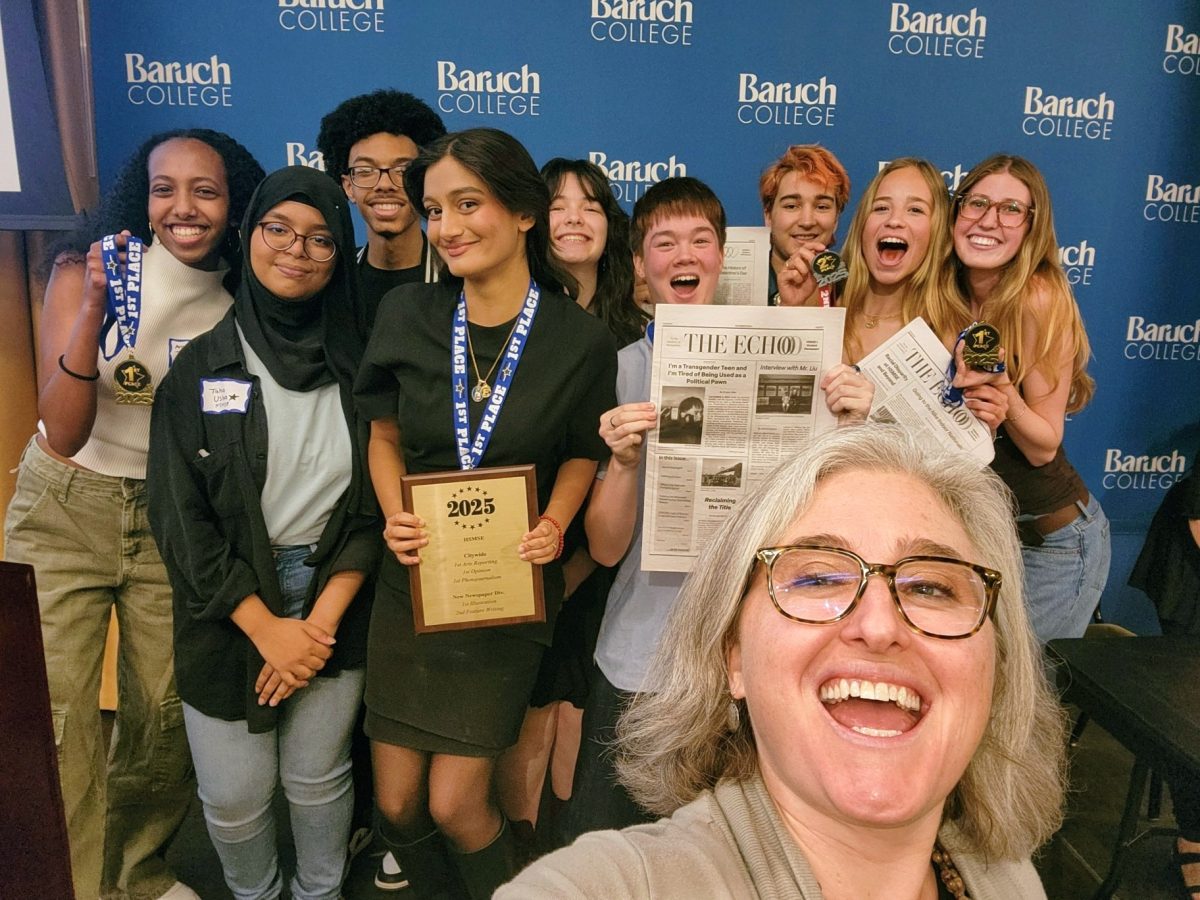
None of my favorite articles have been what I imagined while brainstorming. My op-ed on anti-trans legislation required, at one point, re-outlining it by hand, ripping my paragraphs into slices of paper, and desperately rearranging them to achieve the perfect progression of ideas. I am incredibly grateful for the awards that article has won since publishing—yet the ugly, unseen parts of the process are what have taught me the most about my stories and myself. This has been especially relevant over the past year as co-editor-in-chief: Despite feeling like I’m constantly anticipating the next scream down the rollercoaster of publishing, I’ve learned to trust that eventually, the deadlines will be hit and our paper will materialize. Each Echo article I’ve crafted and issue I’ve overseen has made me a more resilient person.
Not every article or issue will be perfect.
This is tough for such a grammar nerd to admit. (While drafting this piece, I keep stopping to wonder what tenses my verbs need. Past—these experiences are done forever—or present—they are an intrinsic part of me?) Editing has been one of my favorite activities at The Echo; I believe the most intricate details are crucial to the newspaper’s beauty and credibility. However, reporting is messy, and pulling together 40 people’s distinct visions into something cohesive and impactful is even messier. Publishing issue after issue has taught me to appreciate the ebb and flow of our work and give everyone in the newsroom grace.
People are constantly changing.
The Echo transformed me not just by helping me develop my own voice, but also by enabling me to collaborate with fellow students in everything I did. The connections I’ve formed with mentors I received early on, and mentees I’ve found since, have been incredibly rewarding. Sometimes, though, it has been difficult to bridge so many different perspectives. I recall plenty of disagreements and tensions with fellow students in the newsroom, yet what sticks with me more is how we all grew from them—because our dependency on one another inherently pushes us to become better communicators, thinkers, and leaders.
Listen to your mother.
When I brought home Issue 1 of The Echo in my freshman year, my mother urged me to join. I was hesitant; I hadn’t quite adjusted to HSMSE’s environment or found my people, I said. But my people were here, in Ms. Hesseltine’s dungeon—which I finally committed myself to as a sophomore. My one regret of my Echo experience is not joining earlier. Since then, my mother has coached me through many spells of writer’s block, listened to innumerable editing rants, and read each issue from cover to cover. I owe all the poise and persistence I aspire toward in my journalism to her. Thank you for teaching me to love language and love people.
And to all of my other readers, thank you for engaging with my writing and pushing me to be as thoughtful and rigorous a journalist as I can be. Tearing myself away from The Echo feels impossible, but I know I’ll carry these lessons with me as a foundation for what it means to write, lead, and live vigorously. This is only the beginning.