
































![[ERROR]: Lack of Women in the Software Industry](https://theechohsmse.com/wp-content/uploads/2024/12/APC_0280-984x1200.jpeg)





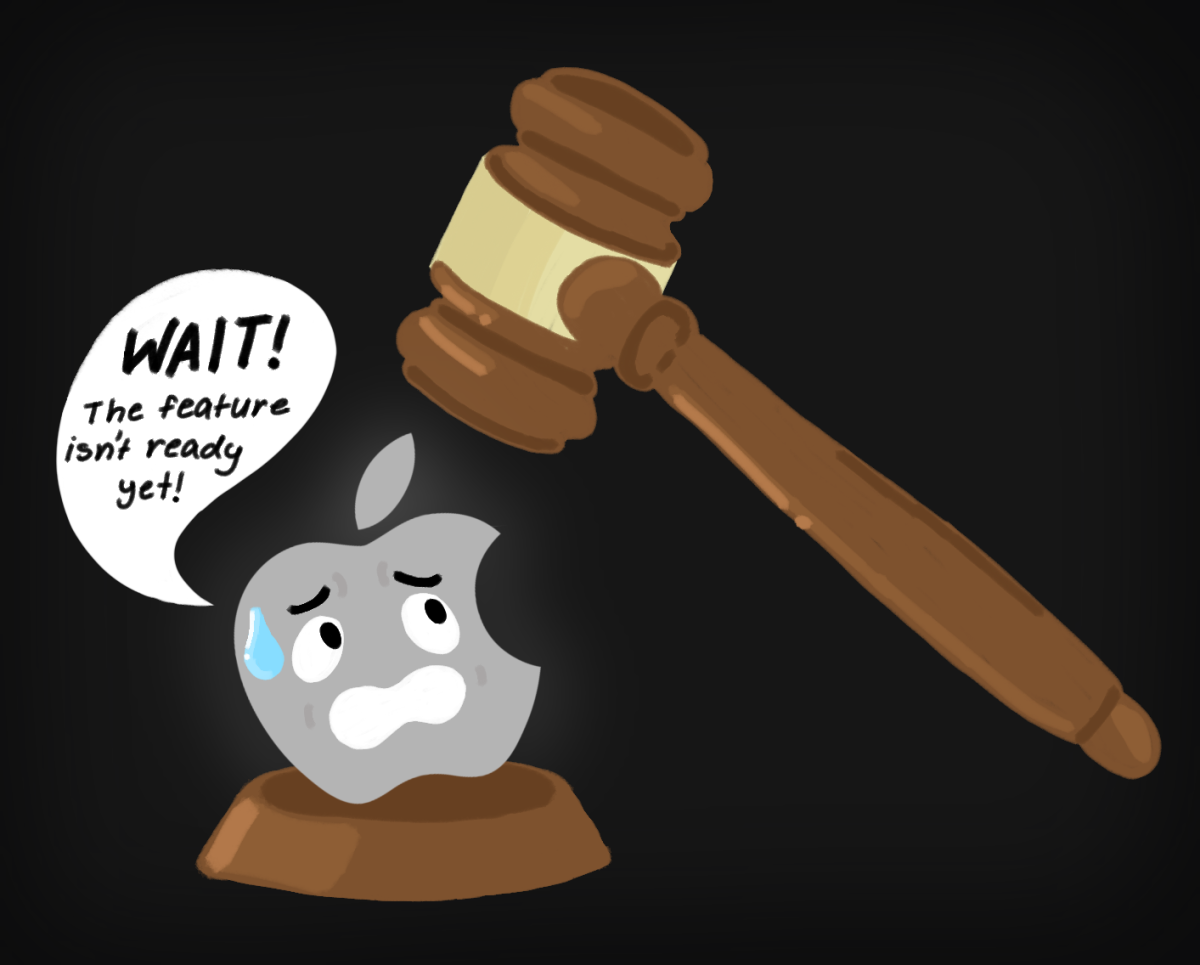
Over the past years, Apple has built a reputation for creating and releasing highly polished consumer-focused products. The company is known not for being first to things, but the one who perfects them and rolls them out effectively, ultimately coming out on top. However, the company’s AI push fueled by an effort to try and keep up with competitors has quickly become controversial and underwhelming. A series of delays, underwhelming launches, and unfulfilled promises led to what was considered a highly anticipated and advanced AI release becoming a subject for a major lawsuit.
This controversy began after a series of Siri upgrades and AI features failed to release on time, if at all. Siri was advertised to become much more understanding of context, screen awareness, advanced summary, and more. The idea was that it would perform much more like a personal AI assistant and be able to understand your emails, calendar, photos, and notifications in order to compete with other AI assistants such as ChatGPT, Google Assistant (Gemini), and Copilot. During this, Apple heavily advertised its new iPhone 16 lineup as “Built For Apple Intelligence.” The problem with this was many people bought devices on the assumption that these promises would be fulfilled with their launch—but they were not. While features like Genmoji, photo cleanup, notification summaries, and writing tools were released, Siri still lacked context understanding, on-screen awareness, and the aspects which would make it seem more conversational and able to compete with other models.
In response to the delays and feelings of false promises by Apple, multiple lawsuits were filed against them by consumers. These lawsuits claimed that Apple misrepresented the readiness of the Apple Intelligence features. It was argued that Apple heavily relied on marketing Apple Intelligence and Siri during the leadup to the launch of the iPhone 16 as a reason to buy the new phones, despite those features ending up largely unreleased at the phones’ launch.
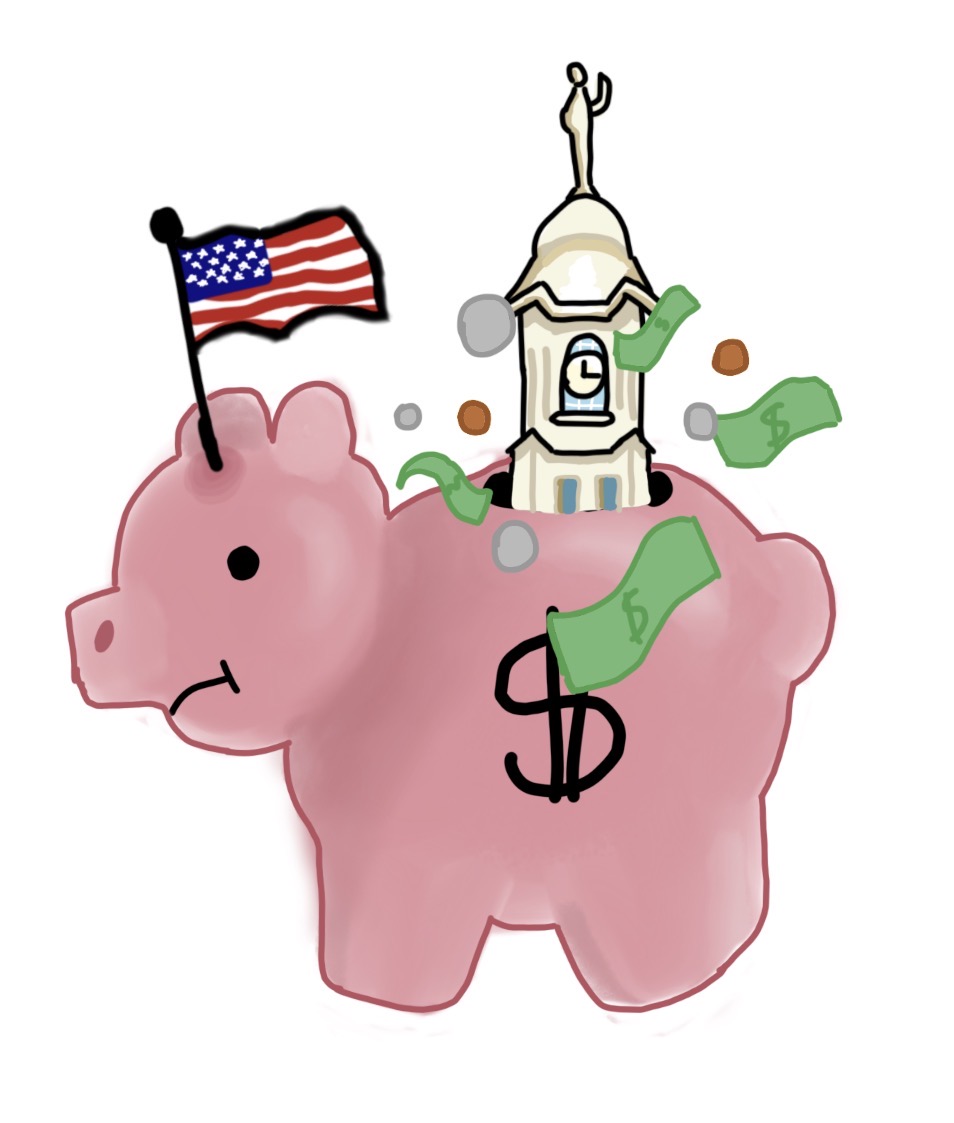
Recently, Apple has agreed to a proposed settlement of 250 million dollars. The settlement includes compensation for consumers who bought the iPhone 15 Pro, 15 Pro Max, or any 16 model. Customers who file claims will receive approximately $25 per device. If there is a lower volume of claims this number could go up to $95 per device. However, it is very important to note that despite agreeing to a settlement, Apple did not admit any wrongdoing on their part or accept any legal liability. Apple themselves said the settlement was to avoid a lengthy legal battle which could hamper their development and focus on future products.
Overall, this dispute represents something beyond unhappiness with delays. It shows the pressure and expectations consumers have on AI companies and the effect that has on them with competition. It highlights how much consumers have pushed the idea of AI and how companies who fail to do so have very real prospects of falling behind the competition. It demonstrates just how difficult it is for even the largest companies out there to develop and train AI models for their consumer base while avoiding privacy and misinformation issues.
As consumers ourselves, it’s important to realize how even the largest of companies are subject to our own expectations, standards, and whims.