



































![[ERROR]: Lack of Women in the Software Industry](https://theechohsmse.com/wp-content/uploads/2024/12/APC_0280-984x1200.jpeg)







Congratulations—you’ve nearly completed yet another year of school! Since summer is fast approaching, it’s likely you’ve begun to hear about other people’s plans for the following months. Maybe one of your friends is getting a job, or a classmate is visiting their family in Spain. If you don’t have some big trip planned, part of your brain is probably just waiting for the opportunity to rest at home all summer long. If you’re feeling motivated, you might even get a job!
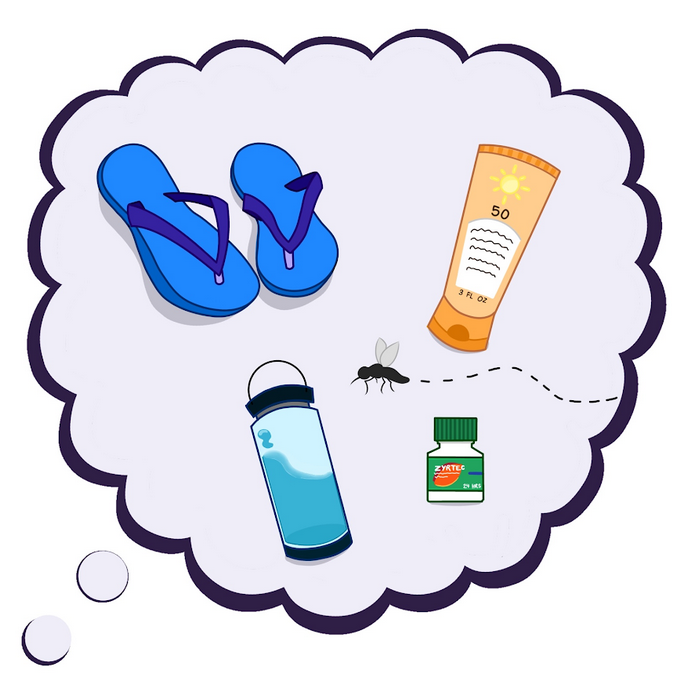
Although rest is important, you should also remember to make plans for yourself over the summer even if it’s just a walk around a park.
So, what does science say about going outside? Is it actually healthy for people to spend time outside, or is that just something parents say to get us out of the house?
Being outdoors has been associated with helping reset one’s circadian rhythm, our internal clock that regulates the sleep-wake cycle and other systems in our body. According to “How Sleep Works” by the National Institutes of Health (NIH), exposure to daylight can help regulate melatonin production. This is because increased exposure to light reduces melatonin production, which is meant to promote sleep. If a person spends more time outside, their internal clock is likely to become more aligned with that of natural light, leading to improved sleep patterns. Hence, certain media publications, such as Green Child Magazine, will urge people to go camping in order to reset their circadian rhythms. Of course, you shouldn’t feel like you need to do something as extreme as camping for weeks on end, but consider going outside more often and see how it affects your sleeping schedule.
Also, there are other obvious physical health benefits to going outside: getting a breath of air that’s at least fresher than the air in your house or obtaining vitamins from the sun.
Fun fact: The Environmental Protection Agency (EPA) tells us that indoor air can have concentrations of pollutants two to five times higher than the concentrations of pollutants in outdoor air! This is both due to chemical emissions from household activities such as cleaning and poor circulation of air indoors. So, if not for anything else, consider going outside to give your respiratory system a break from stuffy indoor air.
Now is a great time to move on and talk about the Romantics. (Yes, those people we learn about in English class.) A big part of Romanticism was the belief that nature has a healing power on people. While New York City isn’t the most rural, and staring at nature obviously isn’t a one-and-done cure for all of life’s problems, the benefits of going outdoors for one’s mental health are important to consider.
There’s a connection between being exposed to sunlight and serotonin levels. Apart from regulating melatonin levels, sunlight has been associated with increasing serotonin levels, sometimes being called the “happy chemical.” On top of this serotonin boost, being outdoors can give our brains something to focus on that isn’t fast-paced, which helps create a calmer atmosphere. Even though we’re in New York City, that doesn’t mean there are no places where one can find peace and quiet. It would be a good idea to find a nearby park, like Central Park for people living in Manhattan, or even just a neighborhood playground.
In fact, a 2019 research article by Frontiers in Psychology encourages individuals to spend anywhere from 20 to 30 minutes outside in order to “efficiently lower … levels of the stress hormone cortisol.” Although cortisol is necessary, including in keeping our bodies awake and alert, maintaining high levels of it can become detrimental to our mental well-being. Being in a constant state of stress can overstrain the adrenal glands, which produce cortisol. The dysregulation of cortisol production resulting from overworked adrenal glands may contribute to anxiety or depression by keeping the body in a prolonged state of alertness.
This is not to say the mental health effects hold more value than the physical ones, nor that the two are unrelated. Cortisol dysregulation can lead to high blood pressure, weight gain, while disruption in sleep cycles can contribute to difficulties with emotional regulation.
Even when keeping in mind all the benefits of going outside, there are days where you just won’t feel up for it. It’s reasonable to want to stay indoors, especially in the summer heat, but being outdoors even once a week can feel rejuvenating. If getting ready to go out feels impossible, consider telling someone you’ll head out on a certain day or even invite them along. Having someone check in with you to see whether you’ve actually gone out might be motivating enough to take a step out of the house. Keep in mind to always check the weather before leaving the house!