










![[ERROR]: Lack of Women in the Software Industry](https://theechohsmse.com/wp-content/uploads/2024/12/APC_0280-984x1200.jpeg)


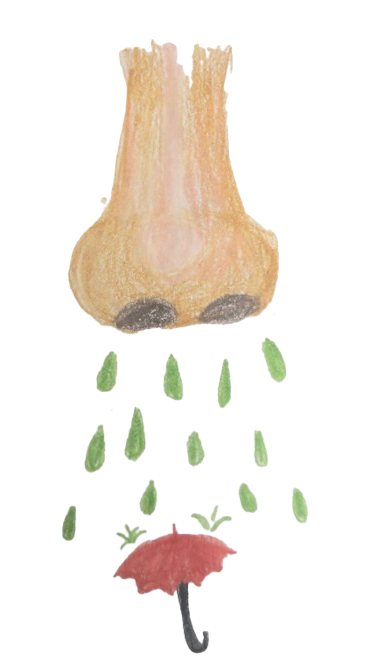


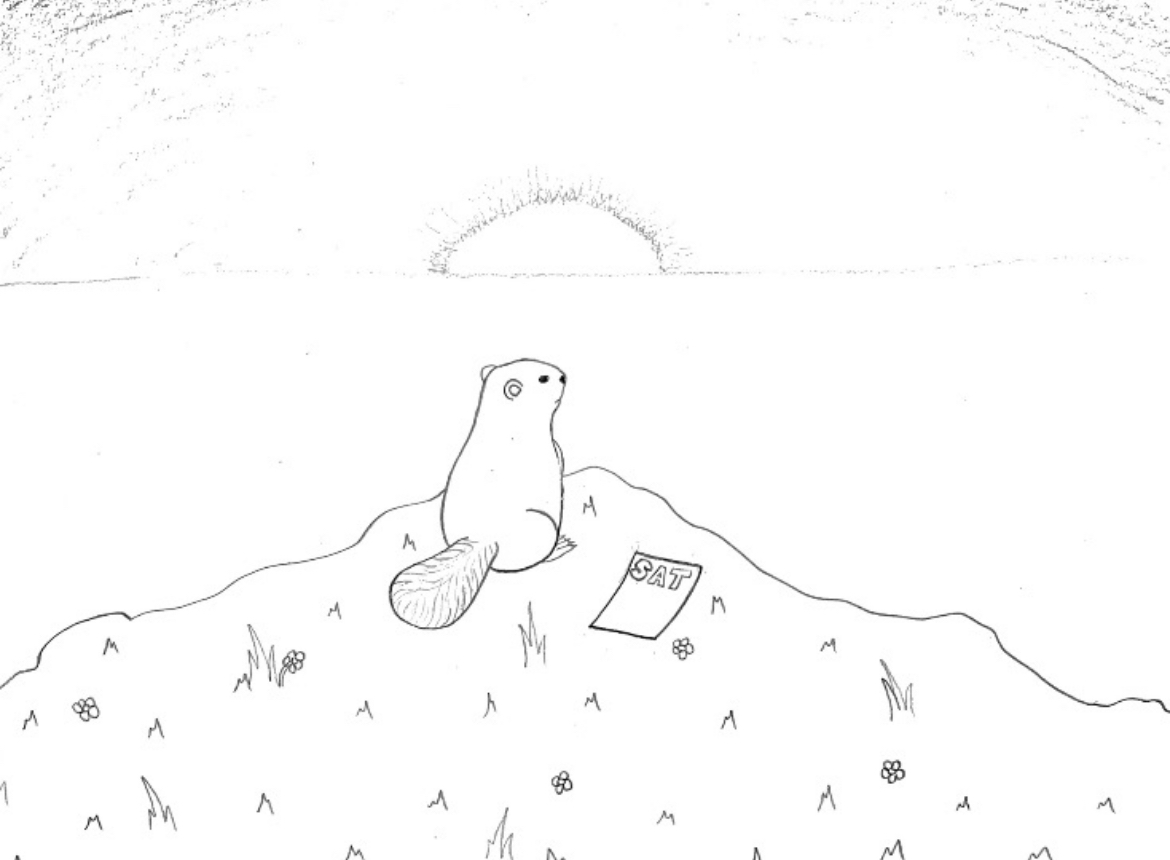
In February, the Washington Post completely removed its iconic “Book World” section, following its slow dismantling since 2009. Last year, The New York Times reassigned four of its literary critics; in 2001, the San Francisco Chronicle shrunk its book sections; in 2005, the Los Angeles Times completely removed its Sunday book review section; and just last summer, the Associated Press cut its weekly book column, all citing limited resources and competition across the digital landscape.
Up until the 18th century, book “reviews” were mainly scholarly discourse limited to elites. At the onset of the Industrial Revolution, London’s growing publishing industry began producing periodicals—such as the rival publications Monthly Review and the Critical Review—that pioneered modern literary criticism. Quarterly reviews revolutionized literary criticism in the 19th century by moving away from book advertisements and towards fully-fledged intellectual essays whose authors (often harshly) emphasized critical standards and political context.
With the 20th century came new forms of criticism—including Russian Formalism and Anglo-American New Criticism—that emphasize “the words themselves,” rather than their place in the historical and literary tradition. As the century progressed, book reviews became staples of many large newspapers, with The New York Times starting its section in 1896 and evolving under the “books [are] news” philosophy. Historical reviews drew from larger literary and historical contexts as the century continued, and famed publications such as The New York Review of Books featured long-form reviews and essays written by specialists for the lay public.
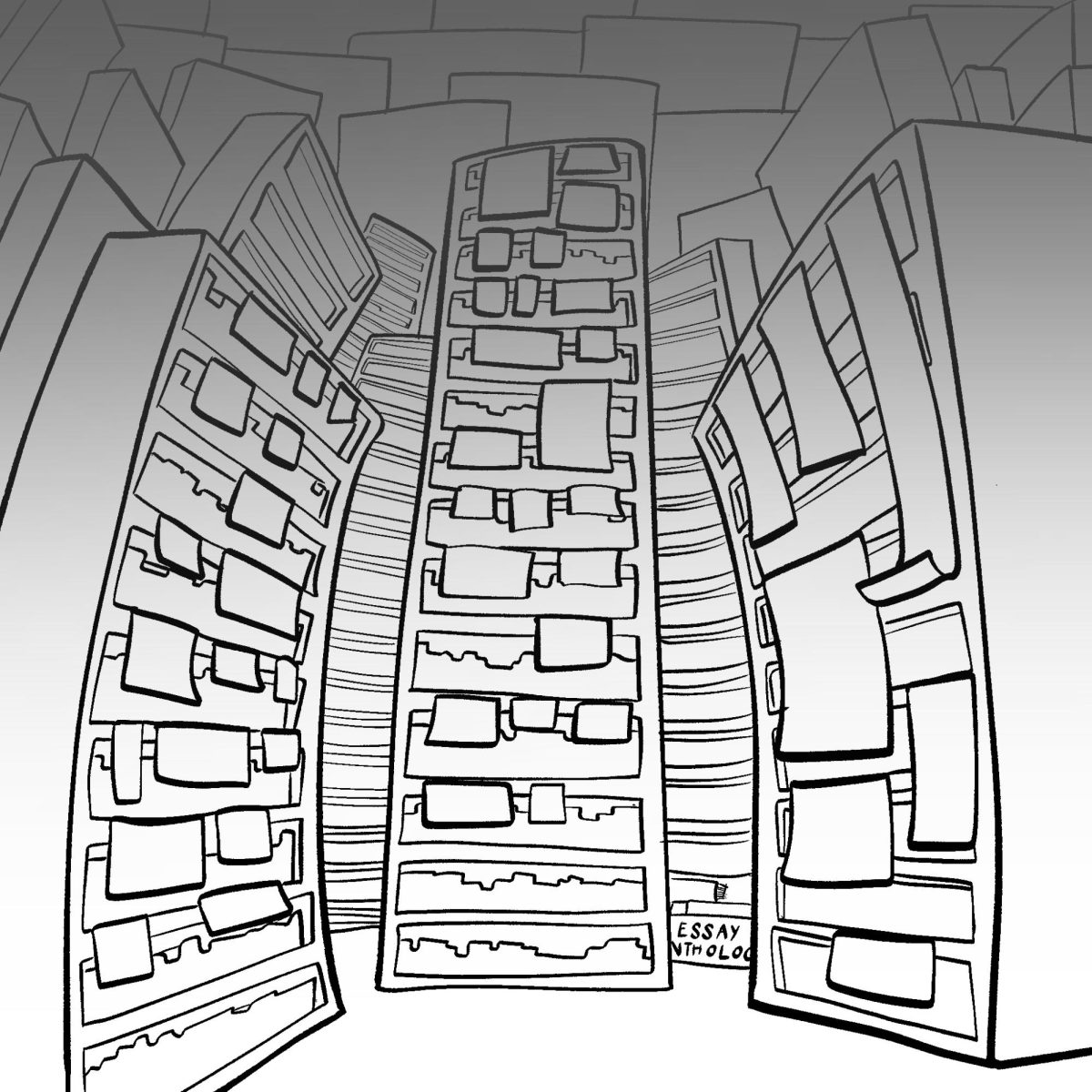
By the dawn of the 21st century, professional criticism soon became dwarfed in number by millions of online reviews through emerging platforms such as Amazon and Goodreads that quickly amassed millions of users. Social media hosts enormous communities—spanning from millions to half-dozens—of book lovers, brought together by various algorithms. Thousands of sites—such as Substack, Medium, and Vocal—now allow users to submit essays and articles to contribute to an ongoing conversation about art and literature.
Growing online discourse puts a unique pressure on authors and publishers as well. Deborah Heiligman, an author of children and young adult fiction and nonfiction, explained that librarians order books for their libraries based on reviews in journals like School Library Journal, Booklist, Publishers Weekly, and Hornbook. “So many books [are] being published,” Heiligman said, and with reviews and criticism expanding far beyond journals, there are “so many different ways to find out about books.” According to Heiligman, publishers (and authors) aren’t sure what is the best way to get books into kids’ hands in this changing landscape.
Editors of famed newspapers know this migration towards the wider internet well: Data tracking allows them to see exactly how much traction each article is getting, what’s popular, why it’s popular, and for how long it’s popular. This has highlighted the lack of attention that literary criticism receives, as the public shifts toward social media platforms to hear their peers. Other marketing shifts—such as publishers shifting their budgets towards social media, an 80% loss in revenue in the newspaper industry, and minimal profits from digital ads—have led many publications to cut down on their reviews and criticism.
Despite its negative effects on the professional criticism world, the internet democratizes literary criticism: allowing anyone, regardless of the racial, gendered, and class restrictions that limited critics of the past, to contribute to literary discourse. People with such different backgrounds will naturally form different opinions to contribute, even if they lead to a decline in professional meritocracy. Exactly how diverse these perspectives are is hard to determine, especially with spiraling internet niches (BookTok, Bookstagram) that polarize its members, and can easily narrow one’s taste or reduce literature to an outwards performance.
Is there even a proper distinction between a “professional” and “amateur” critic? Sure, professionals have credentials and working experience, but none of these are definite prerequisites to having analytical and writing skills. Many critics that write for The New Yorker or The Paris Review likewise write for less popular publications and social media sites—these smaller sites aren’t inherently “unprofessional.” Reviews are a natural response to art, and—just like the art they critique—help build the relationship between art and its audience. Without criticism, critic Elizabeth Hardwick says, “works of art would appear in a vacuum, as if they had no relation to the minds experiencing them.” Creating and sustaining this relationship requires trust—from readers to consider the reviewer’s opinion, and from reviewers to provide valuable perspectives to their audience, or even articulate inchoate thoughts. With the internet, these intellectual relationships are more accessible than ever.
Reviews allow audiences to share and revel in the vast spectrum of raw emotion that literature (and all art forms) can provoke, the “possibly overwhelming and transformative impact of a single viewing or listening,” as phrased by film critic Richard Brody. The power to articulate such responses isn’t limited to those with years of professional experience and the charisma to get through rounds upon rounds of interviews at major publications—art and literature are inherently democratic, with the ability to move each and every one of its viewers. Thus, anyone has the power to critique—an art form unto itself—art in a moving way.
Art is a boundless field—and so its review and critique must share the vastness of the media it’s commenting on. Written reviews are the cornerstone of artistic and literary criticism, but the nature of art calls for many voices and many media to create and comment on it, so the diversification of artistic commentary in the digital age ultimately continues to support our understanding of art.
Though the analysis of a professional critic on the thematic and historical significance of the newest book release in The New York Review of Books may be more articulate than a 14-year-old ranting on Goodreads, both are nonetheless expressions of the fundamentally human desire to perceive beauty and share it with the world.