
















![[ERROR]: Lack of Women in the Software Industry](https://theechohsmse.com/wp-content/uploads/2024/12/APC_0280-984x1200.jpeg)





Disclaimer: This is an opinion piece; all statements are purely representative of the author.
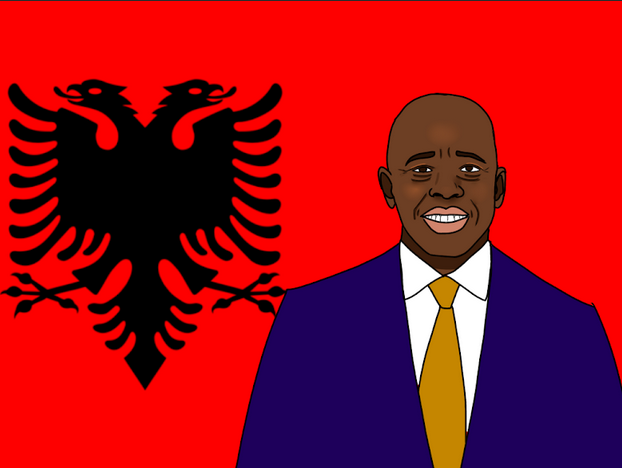
On the evening of Tuesday, June 24, 2025, voters across New York were shocked to learn that state assemblyman Zohran K. Mamdani had amassed a significant lead over former governor Andrew M. Cuomo in the Democratic mayoral primary. After polls showed Cuomo ahead of Mamdani by double-digit margins, nobody expected the former governor, with instant name recognition, to lose the democratic primary. Mamdani went on to win the general election on November 4, 2025. His victories have been attributed to his excellent campaign strategy, which mobilized thousands of volunteers across the city. His primary victory is considered to be one of the greatest upsets in New York history, as he went from a little-known state assemblyman to a national figure, defeating Cuomo, the clear frontrunner in the primary, along the way.
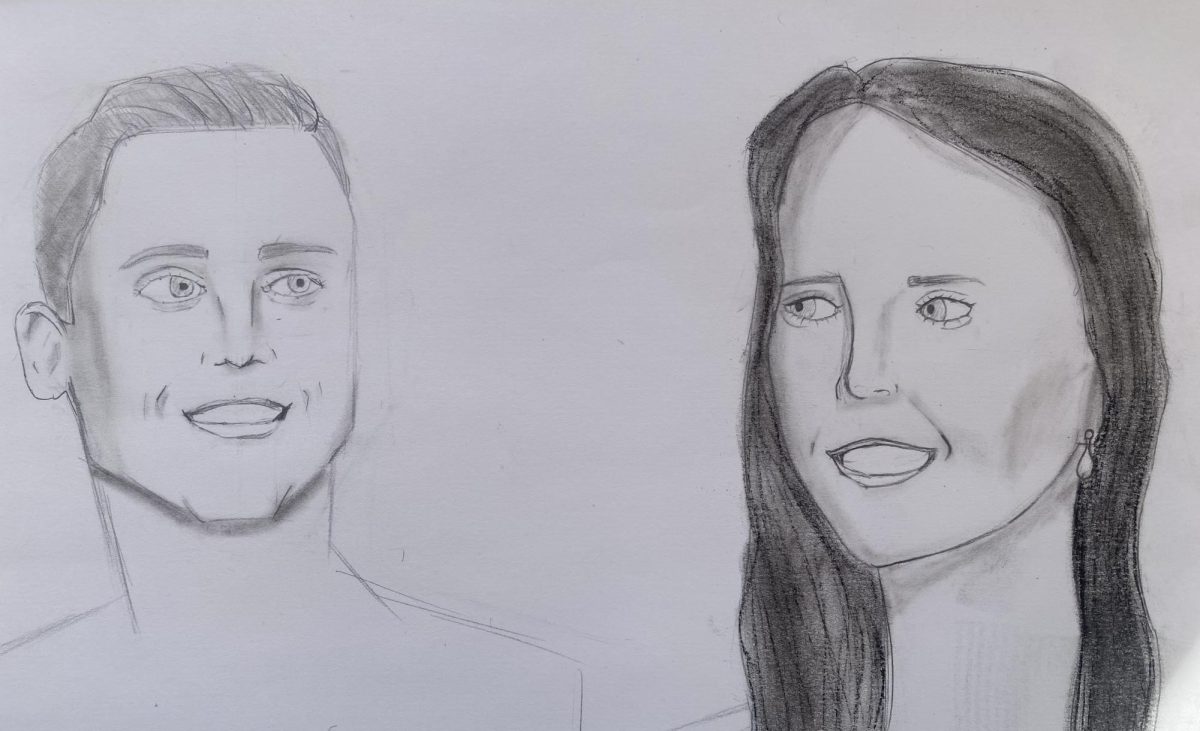
Along with his massive on-the-ground campaign, Mamdani rose in popularity because of his memorable—but often dubious—policies. One major policy of his, the “Freeze the Rent,” policy, would only affect rent-stabilized apartments, not market-rate apartments (which make up the majority of apartments in New York). “Freeze the Rent” received harsh criticism from Mamdani’s opponents, Andrew Cuomo and Curtis Sliwa, throughout the general election campaign, especially during the two mayoral debates in October. Cuomo repeatedly slammed the policy, pointing out the fact that Mamdani himself lives in a rent-stabilized apartment in Astoria despite making a salary of over $140,000. Mamdani clashed with Cuomo, especially, in both debates, with both of them attacking each other’s policies and past actions many times. Cuomo suggested Mamdani did not have enough experience to lead the city multiple times, while Mamdani pointed to Cuomo’s resignation from office amid sexual harassment allegations.
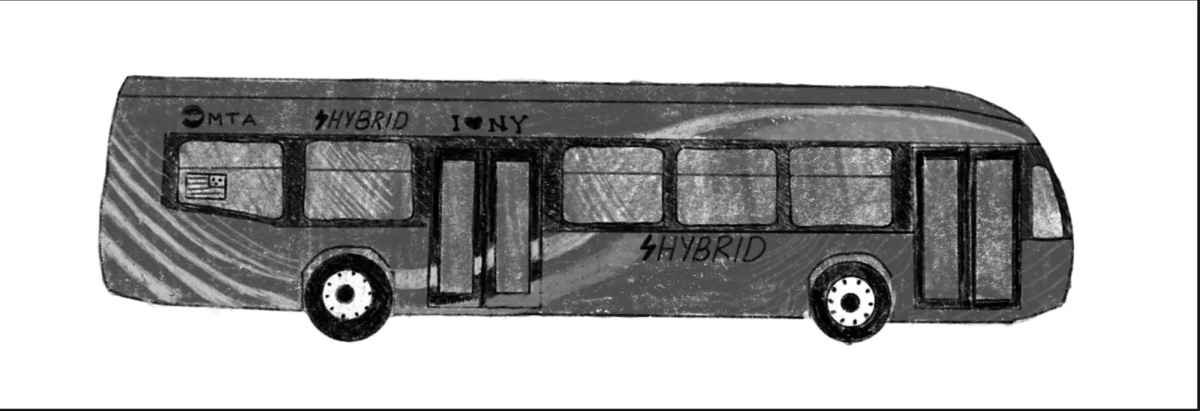
But perhaps one of the policies of Mamdani’s campaign we should be most suspicious of is his plan to make all New York City buses “Fast and Free.” At first, it seems like a great idea. Everyone gets to ride buses for free, helping low-income New Yorkers get around the city. Fewer people will drive cars as there is no cost to riding the bus, lowering carbon emissions (similar to what congestion pricing helps accomplish). But as soon as you dive deeper into this idea, you begin to realize just how many problems will arise from implementing this policy.
First, let’s go over the problems with the “fast” part of the policy. If you’ve ever ridden the bus in New York, you probably noticed how slow and generally infrequent the buses tend to be. And you wouldn’t be wrong: The average speed of local buses in New York is well below ten miles per hour, with particularly low speeds in Brooklyn and Manhattan. There are a few ways to fix this problem. The first is to create new bus lanes on existing roads. This would eliminate time spent going through traffic and going around double parkers, but implementing dedicated bus lanes on every bus route is simply impossible as only roads with at least two lanes in each direction could get the new bus lanes. As widening all roads buses go through is nearly impossible in New York, the only other option is to replace existing lanes with bus lanes. Only a handful of buses in New York go through such roads for their entire route. Most buses would end up spending a significant amount of time in traffic even with this new policy. For example, the B11 bus in Brooklyn runs along 49th and 50th Streets in Sunset Park, both of which are one-lane, one-way streets where double-parkers can easily block traffic. Another idea Mamdani proposes is creating loading zones for buses, which could work on large streets such as Amsterdam Avenue (with some cost) but, again, would not work on regular two-way and one-way streets that make up most of New York.
There are problems with the “free” part of the policy too. One is that Mamdani, as mayor, would not have direct authority over the MTA, which operates buses in New York. The MTA is operated by the state, led by governor Kathy Hochul, who famously opposed congestion pricing in New York. (After many groups opposed this action and were able to convince Hochul to go through with the policy, it was eventually passed in November 2024.)
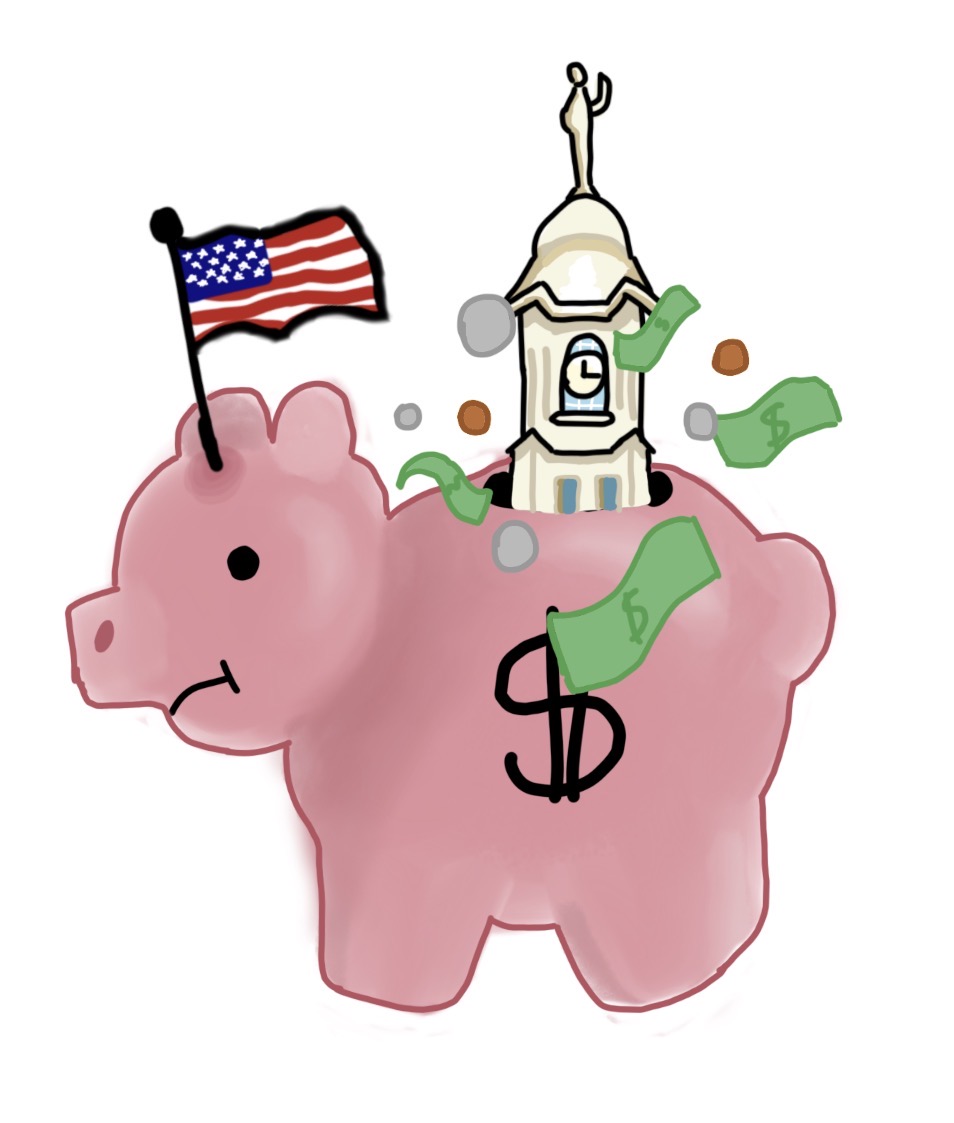
Even if Mamdani could have enough influence to get a law passed to make buses free for everyone, there are still many more problems with the policy. First, the MTA needs money gathered from bus fares to operate its buses in the first place. While bus fares don’t make up all of the budget of New York City buses, removing this source of income would be a problem for the MTA. If such a law were passed, Mamdani would be expected to pay almost $1 billion from the city’s budget to cover fares. On Mamdani’s website, he cites an article he co-wrote, which describes his pilot program that made one bus route in each borough fare free for everyone as a “resounding success.” While it certainly helped many New Yorkers, expanding the program to every single route in New York might not have the effect Mamdani hopes for. In addition to making buses completely free, Mamdani also hopes to create more dedicated bus lanes and boarding areas, adding costs for the city and intensifying frustration among drivers already skeptical of congestion pricing. With all these factors, and the state’s general unwillingness to help the MTA and its riders, it is unlikely that making buses “Fast and Free” is such a feasible idea.
Mamdani’s use of quick catchphrases with little explanation has led to many more plans that, upon inspection, raise questions. His opponents took advantage of this: In the second mayoral debate, Andrew Cuomo denounced Mamdani’s plan to raise the minimum wage to $30/hr, calling it too extreme and promoting his own plan to raise the minimum wage to $20/hr (the current minimum wage is $16.50/hr and rising progressively). Curtis Sliwa said to him, “Zohran, you talk about free, free, free, but we all know somebody’s got to pay for it,” echoing questions many New Yorkers have about how exactly Mamdani plans to make all the changes necessary to make the city as affordable as he says it will become.
Ultimately, Mamdani won the election, demonstrating New Yorkers’ desire for a fresh face intent on fixing many of the city’s long-standing problems. While he did an excellent job convincing New Yorkers that he was the right choice to lead the city, he made many promises along the way that are unlikely to work out in the way that people think they will. It is always important to look at candidates’ policies and decide if they are truly plausible: How will the candidate introduce these policies? What is the cost of implementing these policies? And, most importantly, how will this affect us? It is important to ask these questions so that we know what the costs of new policies are and if they are truly outweighed by the benefits.