




























![[ERROR]: Lack of Women in the Software Industry](https://theechohsmse.com/wp-content/uploads/2024/12/APC_0280-984x1200.jpeg)







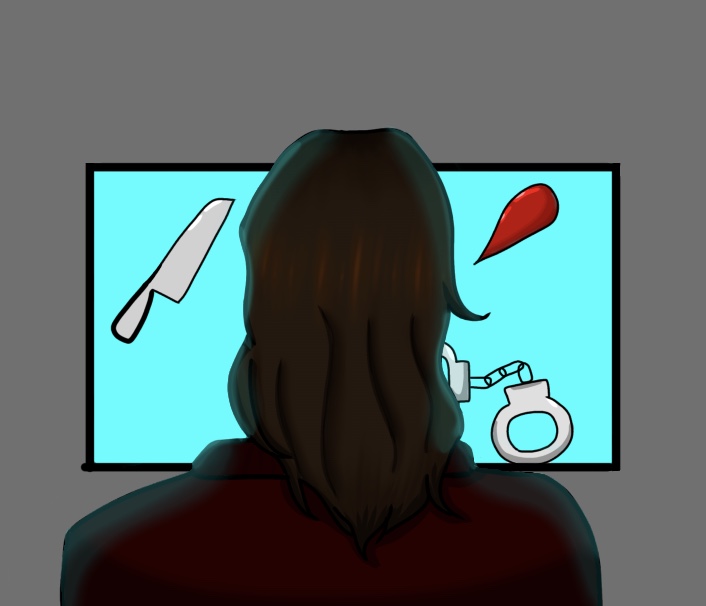
Let’s be honest: Few things are as universally loved online as cat videos. Whether it’s a kitten tumbling off a couch or a grumpy feline side-eyeing its owner, these clips seem irresistible. But beneath the cuteness lies a problem: Cat videos may not be as harmless as they look.
Watching cat videos activates the mesolimbic reward system, the brain’s pleasure and motivation circuit. According to Penn State’s psychology textbook, “The reward circuit includes the ventral tegmental area and nucleus accumbens, which release dopamine in response to rewarding stimuli.” Dopamine is a chemical that makes you feel good, but it also teaches your brain to repeat whatever caused the release.
This is the same system triggered by food, gambling, or addictive substances. Repeated stimulation from cat videos can train your brain to crave more of these quick dopamine hits, undermining focus and self-control.
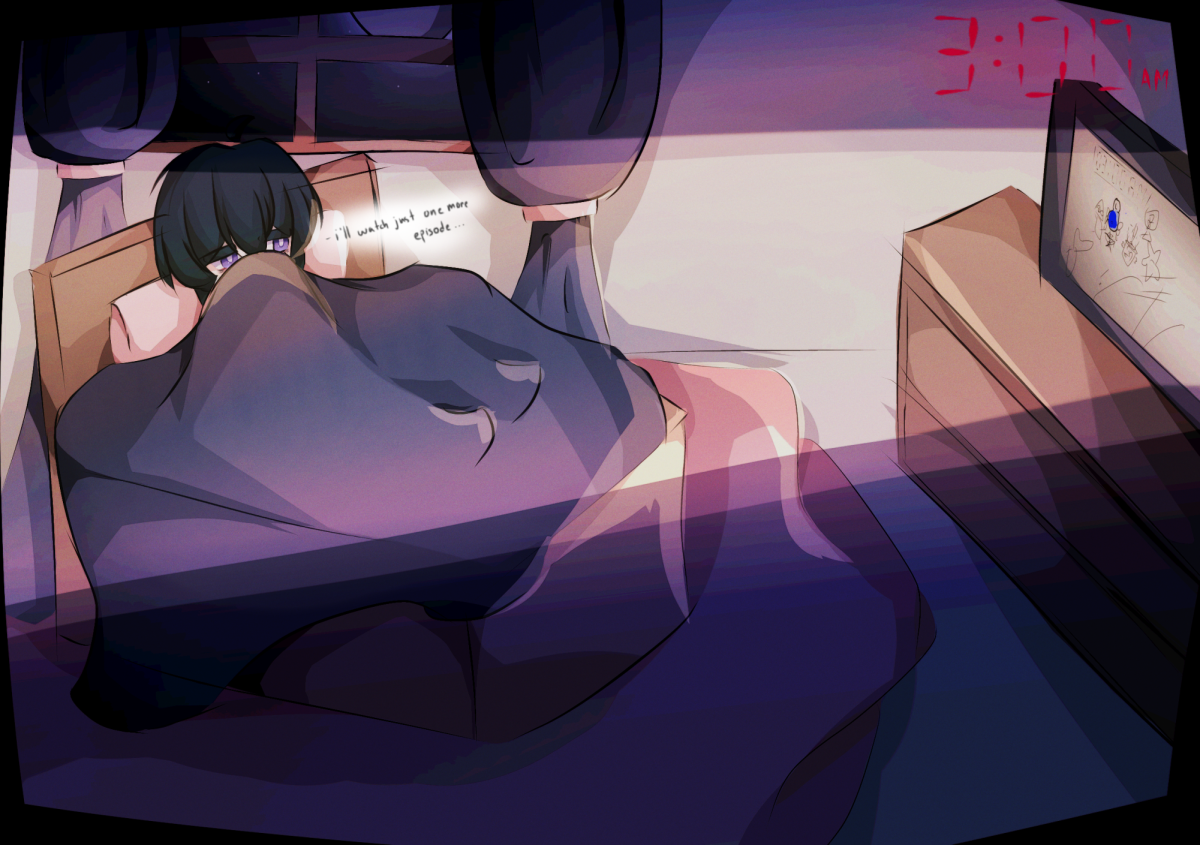
Jessica Gall Myrick at Indiana University surveyed nearly 7,000 people and found that “Even if they are watching cat videos on YouTube to procrastinate or while they should be working, the emotional payoff may actually help people take on tough tasks afterward”. Myrick’s study shows that when people watch cat videos to procrastinate, the boost in mood and energy they get can make it easier to tackle difficult tasks. In other words, the short distraction feels good in the moment and can temporarily recharge motivation, but at the cost of delaying work.
Compared to other social media content, cat videos feel lighter and safer: There are no political fights and no endless ads. That is why they are algorithm gold: short, unpredictable, and universally appealing. But here is the catch: These “micro-breaks” condition you to find relief in distraction rather than healthier habits. Instead of teaching your brain to reset through strategies like stretching, walking, or breathing exercises, cat videos train it to chase quick dopamine hits. Over time, this rewires your reward system so that stress or boredom automatically trigger avoidance behaviors such as reaching for another clip, resulting in weaker focus, stronger procrastination habits, and more difficulty returning to demanding tasks with full attention. As Simply Psychology explains, “The brain reward system motivates behavior by releasing dopamine, but repeated activation can lead to habit formation and dependency.” In other words, the more you watch, the more your brain learns to crave that quick hit of happiness.
This dependency feeds procrastination, with NSF-funded research warning that “academic procrastination is associated with poorer performance and higher stress.” So, while cat clips may give you a short burst of relief, they can make schoolwork harder in the long run.
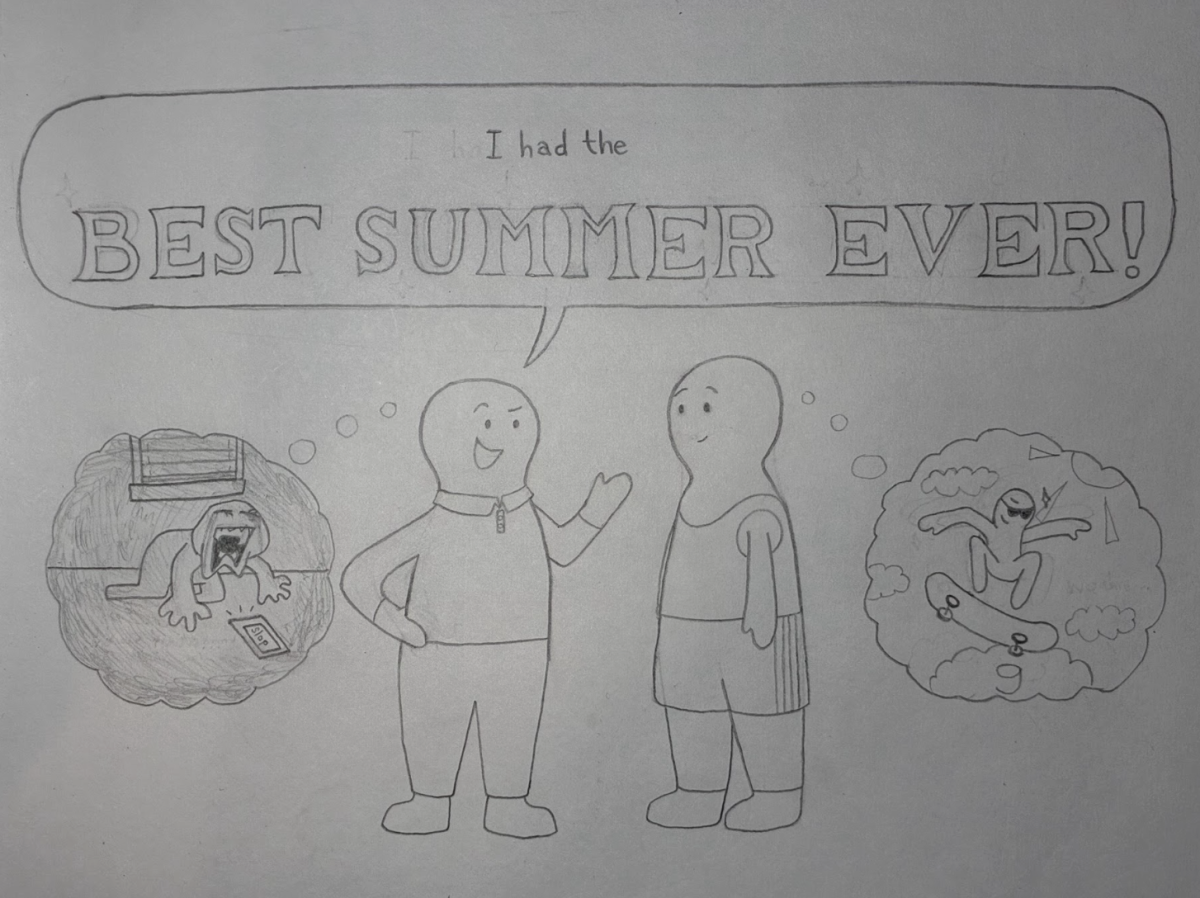
Worse, the constant consumption of short-form clips erodes attention span: A U.S. Department of Education report found that “frequent exposure to short-form reels reduces attention span and impairs academic performance.” Cat videos are short and unpredictable, which trains your brain to expect constant novelty. That makes it more challenging to stay focused on reading, studying, or engaging in deep conversations. Unlike activities that build skills or foster relationships, cat videos are essentially empty calories for the brain, providing fleeting enjoyment in the moment but leaving you distracted, less productive, and less satisfied afterward.
Our obsession with cats isn’t new. From ancient Egyptian deities to 18th-century aristocratic portraits, cats have long been symbols of mystery and independence. In the digital age, they’ve become avatars of chaos and charm, making them a perfect fit for the internet’s love of the unexpected.
Cat videos aren’t just entertainment. They hijack your brain’s reward system, lure you into procrastination, and erode focus. They may feel like the perfect break compared to other social media, but they’re still bad for you. Some may call it “digital candy” that undermines productivity and joy.