










![[ERROR]: Lack of Women in the Software Industry](https://theechohsmse.com/wp-content/uploads/2024/12/APC_0280-984x1200.jpeg)




Sports are about competition. Winning. Getting better. It sounds like coping to say otherwise.
Enter ultimate frisbee, or simply ultimate. Getting its title as the ultimate show of sportsmanship, it has a unique principle: Spirit of the Game—an all-encompassing idea of self-officiation, respect for opponents, and enjoyment of play. It sounds cheesy, I know. Who would want to play a sport where you have to worry about being fair or safe with your competitors? And wait, self-officiation? What does that even mean? No referees? How does that even work?
Despite these questions, ultimate thrives across the world at high school, college, club, and professional levels, with over seven million players worldwide. So, what makes ultimate so special? Before breaking down the idea of Spirit, let’s familiarize ourselves with the history and rules of ultimate.
Ultimate was conceived in 1968 at Columbia High School (CHS) in Maplewood, New Jersey. CHS student Joel Silver, who had been playing frisbee-adjacent games at his summer camp, pitched the idea of the sport to the student council. The first game was played between the respective staffs of the student council and school newspaper (members of The Echo would be excited to hear that the newspaper won). The sport quickly took over the school and surrounding area. The first set of official rules were drafted by CHS student Buzzy Hellring in 1970, the same year CHS beat Millburn High School in the first ever interscholastic game.
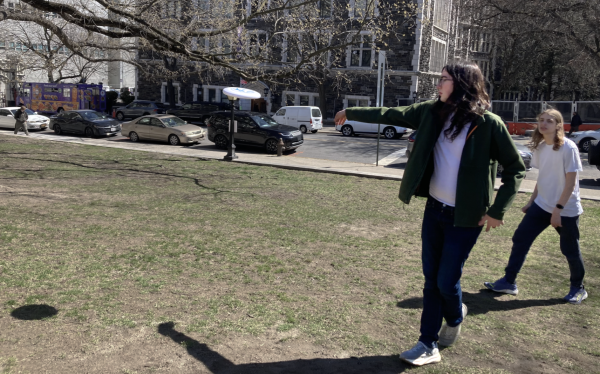
Described as a combination of handball and American football, ultimate is played on a 110-yard-long, 40-yard-wide field with 20-yard end zones on each end. Teams of seven attempt to score by progressing a disc up the field via a series of passes. Players cannot run with the disc. A point is scored when a team catches the disc in the opposing team’s end zone. However, if the disc ever touches the ground, it is a turnover, and the opposing team picks up the disc where it dropped. Just like in all other sports, there are rules that can be broken, such as when an excess of physical contact results in a foul, or when a player runs with the disc, resulting in a travel. This is where Spirit comes in.
Ultimate has no referees. When a player believes an infraction of the rules has occurred, they call it out. Play stops, and the players involved in the infraction respectfully discuss if they agree or disagree with the call. Play will resume in different scenarios based on the outcome of the discussion.
If the call is upheld, that is, if both teams agree on the fairness of the call, a penalty is instituted depending on the infraction, such as the disc turning over to the opposing team. If the call is abandoned, i.e., if the player who originally made the call changes their mind, play resumes where it left off.
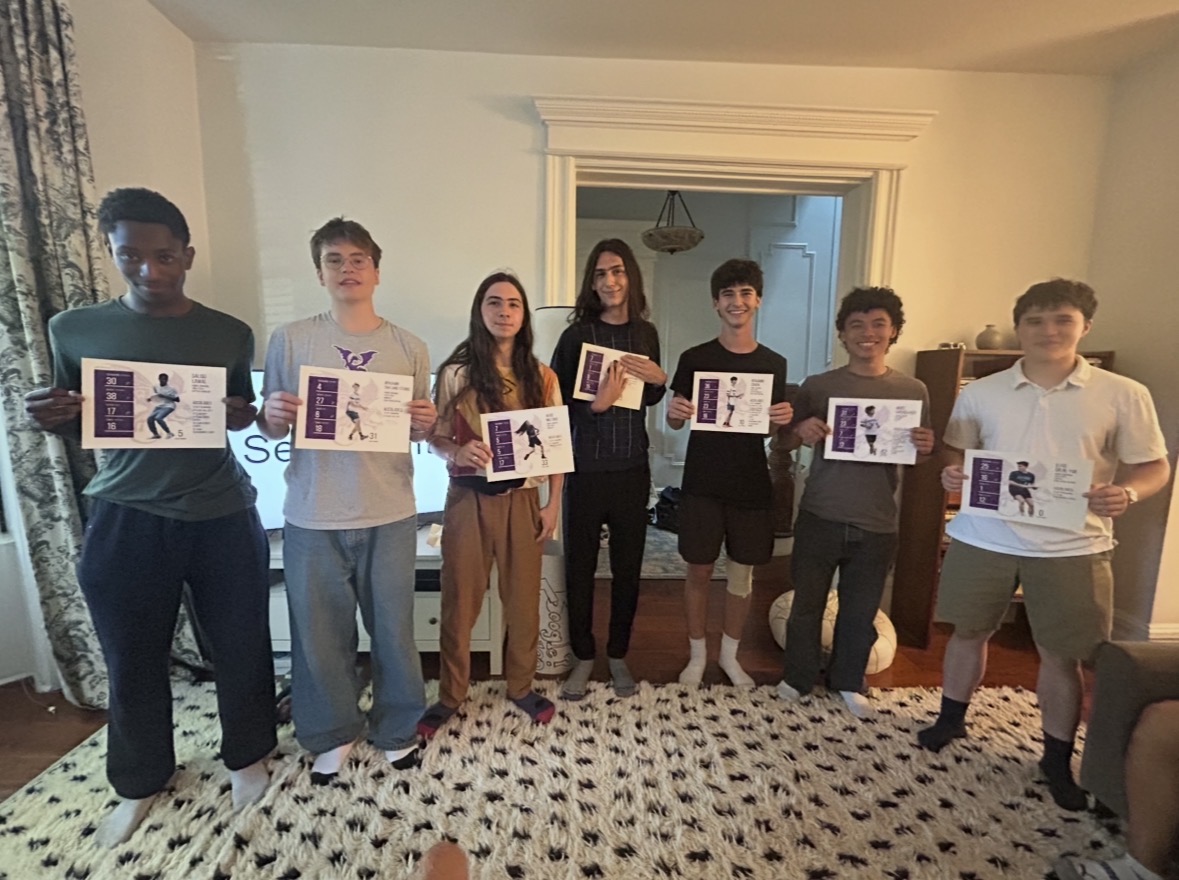
When the players cannot come to an agreement on whether the call was fair, there are two possibilities depending on the level of play. In the high school leagues, where the HSMSE Dragons play, this is known as a contested foul, and it results in a compromise between the teams. For example, if one player believes an opponent fouled them while attempting to catch a throw, the disc goes back to the thrower.
At higher levels of the sport, there are people on the sidelines known as observers, whose job is resolving these contested calls according to how they perceived the incident. They are not referees; they don’t blow whistles or follow the disc around the field. They only ever enter the game when the players on the field cannot come to an agreement. Part of Spirit of the Game at these higher levels is respecting the decisions of the observers.
Spirit of the Game asks that players conduct discussions calmly and rationally. Players should make the fair decision, not just the one that benefits their team. Spirit often encourages players on one team to call out an infraction they themselves committed if the other team doesn’t notice.
But Spirit goes beyond self-officiation. There is also an aspect of safety. Players are always encouraged to play hard, but never when it has the potential to injure another. At high levels, so-called dangerous plays are punished with yellow and red cards with similar effects as in soccer.
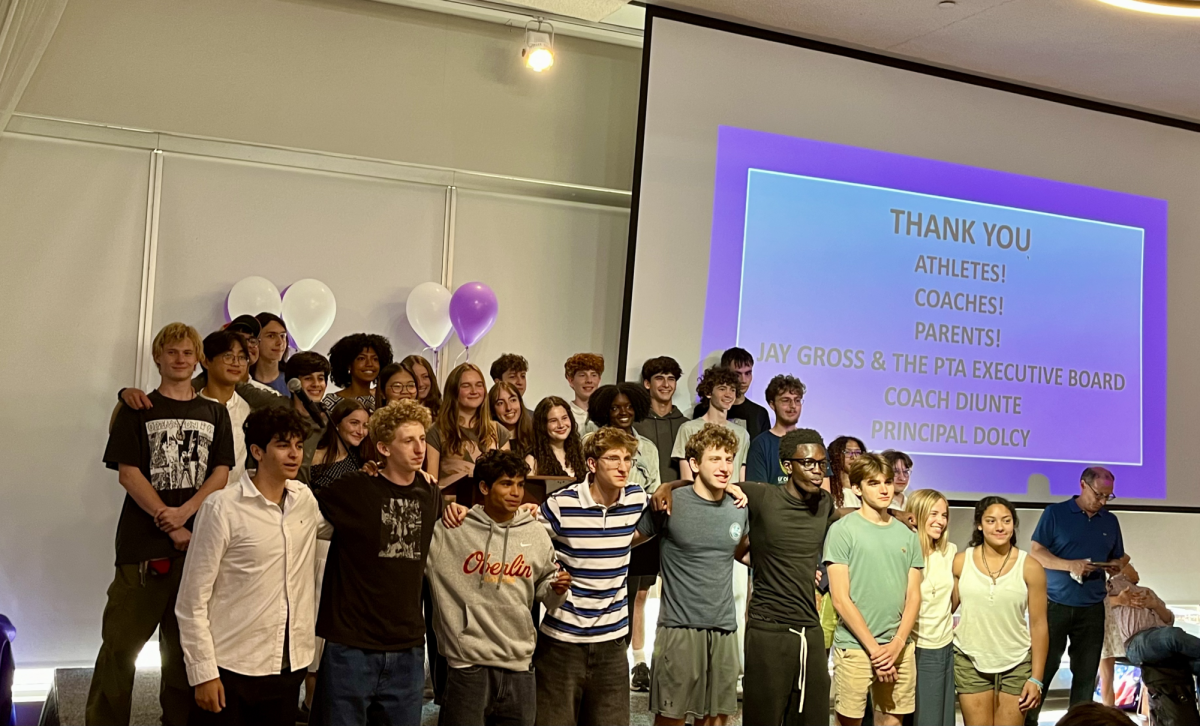
The essence of Spirit of the Game is the intention to enjoy the sport. It’s about the pure exhilaration of running and turning and throwing and catching that only ultimate players know. To this end, celebrating goals—especially in a manner disrespectful to the opposing team—is frowned upon, though still common at the professional level. In high school leagues, teams such as the HSMSE Dragons hold Spirit circles after games. These are events where both teams intermingle to discuss and promote a positive view of the game.
Ultimate is still about competition and getting better (the HSMSE Dragons wouldn’t have gone undefeated last season if they hadn’t wanted to win). But it’s also about this cultural code, this honor system, that arguably makes it a better experience for everyone.
Whenever I tell people unfamiliar with the game about the Spirit of ultimate frisbee, they doubt that such an honor system would be followed. I don’t blame them. We see figures on the news committing atrocities in order to “win” every day. It’s hard to imagine that anyone would intentionally give up any advantage they have, even in a sports game. But ultimate frisbee has made me an optimist. It has shown me a fundamental desire for fairness in everyone, from a group of high schoolers in New Jersey, to pro players earning thousands of dollars, a desire that transcends any reward or trophy. I hope it will show you the same.