







































![[ERROR]: Lack of Women in the Software Industry](https://theechohsmse.com/wp-content/uploads/2024/12/APC_0280-984x1200.jpeg)






New York recently passed a new electronics policy that outlaws the usage of personal devices—most notably cell phones—in all classrooms, which has sparked a lot of debate (as everything does nowadays). And what happens when there is a debate? Naturally, the press wants a scoop.
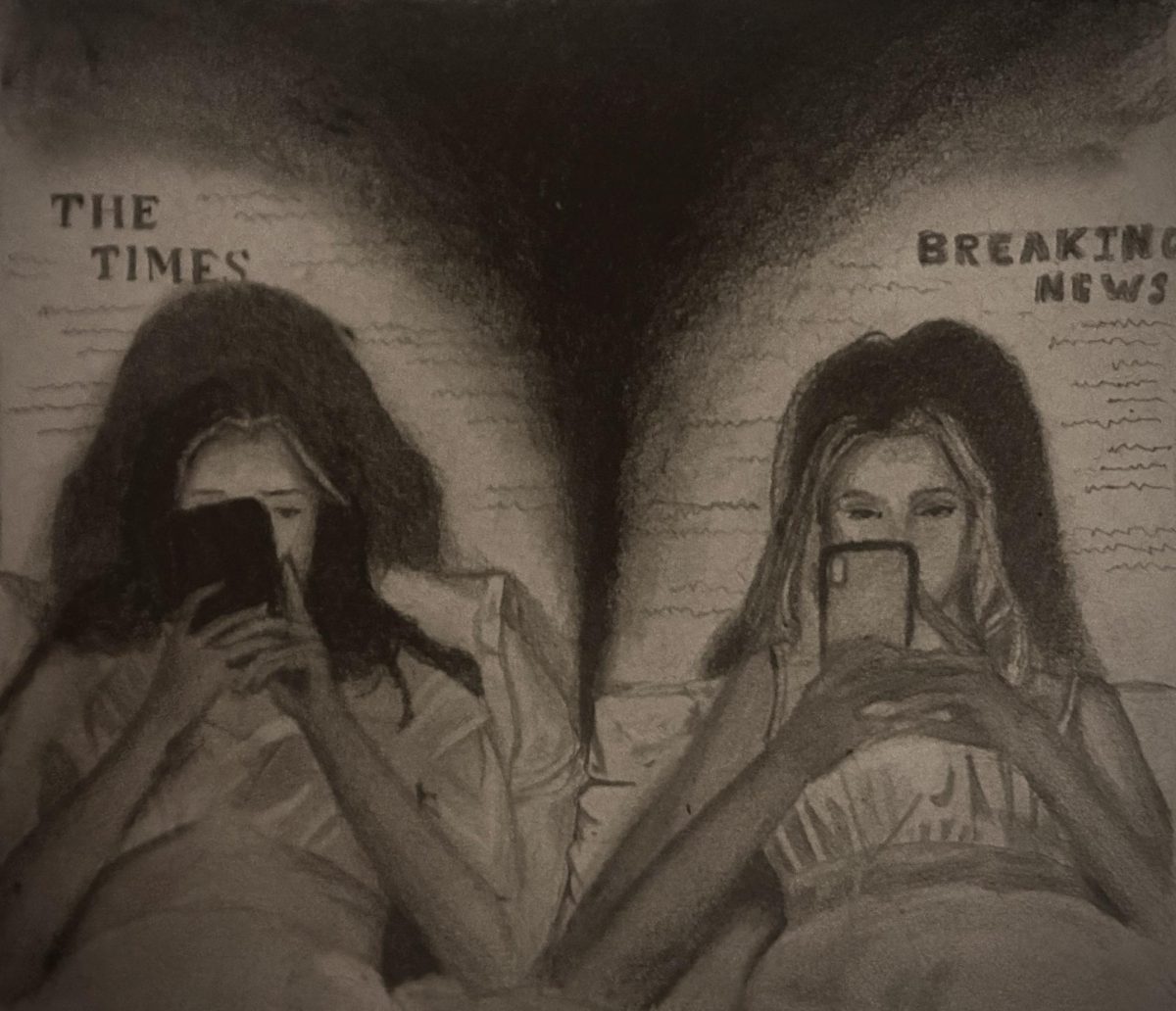
When you go online and search “NY cell phone ban,” hundreds of results show up, despite the ban having only been in effect for two months. Name a paper, any paper. The New York Times? Of course. The New York Post? Yup. CBS News? NBC New York? New York Daily News? Yes, yes, and yes. In one way or another, almost every single New York journal has reported on the issue.
With so many sources to choose from nowadays, one would think that the variety of perspectives reflected in journalism should be the highest it’s ever been. At first, this seems to hold true; according to Chartbeat, over 92,000 articles are published per day around the globe, equaling over a billion minutes of engaged time. This statistic doesn’t even include coverage posted on social media or the amount of time people spend reading print newspapers. Plus, some journalists are expected to write three to seven stories every day, if not more, in order to update the public on current events. Thanks to the endless opportunities and space provided by the internet, as well as the sheer number of newspapers that exist today, there will never be a shortage of media.
However, after taking a closer look, the majority of news articles support only one of two stories regarding the electronics ban: They claim that engagement in classrooms has increased dramatically or that people absolutely despise the law. Also, both sides use a similar format, presenting statistics, an interview with a parent or teacher, and maybe a brief mention of the opposite opinion. In spite of the large pool of articles available to the public, only two messages end up being promoted.
“What’s problematic about this?” one might ask. Even if unintentionally, these reports are deceiving for numerous reasons. For one, the “hard facts” being used as evidence by the news largely come from polls where the majority of respondents are adults who don’t attend school. Then, the journalists who are writing these articles are also all adults, so there’s an increased risk of bias in the piece. Thirdly, the image being promoted is extremely black and white, ignoring any room for middle ground, as well as the possibility that both opinions can objectively co-exist.
In the modern world, this is the nature of journalism. Constant floods of information have come with an inevitable consequence: repetition. With every outlet racing to publish first, newsrooms end up echoing one another, not necessarily out of laziness, but out of the need to stay visible, competitive, and profitable in a digital landscape that rewards clicks more than real reporting. This perpetuation causes readers to believe that the quantity of similar articles is directly related to how true that specific message is, creating a dangerous illusion of variety. These assumptions are ultimately what fuel today’s global misinformation/disinformation crisis.
Especially in the United States, the pressure that reporters face to write quickly results in the representation of only the extremes of a spectrum. This setup isn’t limited to the press, either. In our politics, elections often boil down to a race between two major parties that display no overlap in ideas. Oligopolistic industries (e.g. commercial airlines, wireless carriers, big tech, etc.) contain very few companies that dominate entire markets. Sports rivalries cause fans to get into heated fights and pick sides over athletes they don’t personally know. Debate contests. Viral posts on social media. The concept of morality—the list goes on and on. At the end of the day, competition driven by binary thinking has become a glorified feature of American culture.
However, polarization isn’t the only consequence of rapid media output. When stories serve as fiery words of war against other opinions, context is often sacrificed to construct a bolder headline that garners attention. This kind of reporting not only turns the news into a spectacle rather than a source of insight, but it manipulates and simplifies the complex situations of real people. Nowhere is this clearer than in the conversation surrounding New York’s electronics ban, where the loudest voices belong to adults, while students—the people dealing with the law firsthand—barely get to comment at all.
To combat this lack of reported student opinions on the new electronics policy, I decided to look for answers myself. I conducted a vox pop–style survey where I asked 51 people three questions: how old they were, how they rated the ban on a scale of one to ten, and, if they were willing, why. What I found was something rarely discussed by official journals: The debate over New York’s electronics ban does not necessarily correlate with age. The majority of adults hold a strong distaste for technology use in schools, while students display more neutral and/or varied opinions. The average of adult rankings was 8.04/10 and the standard deviation was approximately 1.34; on the other hand, the average of the student rankings was 5.56/10 and the standard deviation was approximately 2.12. Even in the scatterplots, it is visible that there wasn’t a single adult who gave the policy a rating below 6/10, but the opinions of students are all over the place, exhibiting no clear pattern. Of course, my data is flawed in its own ways—for instance, the sample size is miniscule compared to the population of New York—but these findings suggest that the media is only providing fragments of a bigger picture.
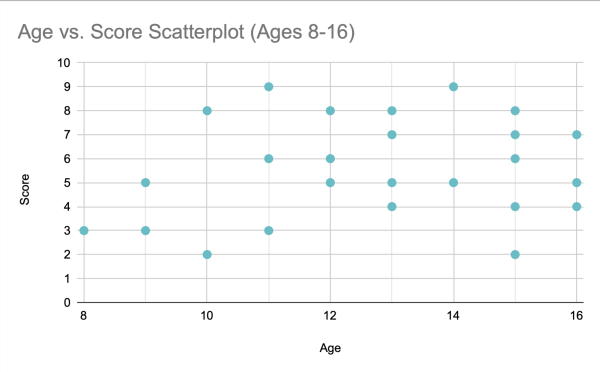
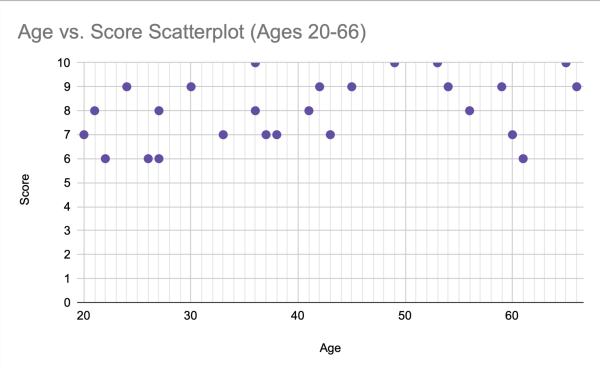
Two of the people I interviewed were a mother and her daughter (Hunter College High School, ’30), who gave the ban scores of nine and seven, respectively. The mother described the ban as “long overdue” and “a 9/10 only because it isn’t strict enough.” The student said, “I don’t really mind the ban because I can talk to my friends more—I just don’t like how it’s sometimes hard to submit work online.” When she gave her score and explanation, the mother admitted to being surprised by her daughter’s “pretty mature response.”
These results raise questions far bigger than the electronics policy itself: Who gets to frame a narrative? Who decides what is “newsworthy”? Journalism prides itself on objectivity, yet the echo chamber surrounding this issue shows how even well-meaning reporting can fall into an abyss of similarity. When every story sounds the same, the diversity of thought—the very foundation of journalism—erodes. Hence why, now more than ever, we must demand broader perspectives and the inclusion of all voices.
Until students are treated as sources of insight in this digital dilemma, the story will remain incomplete, and the coverage one-sided.