

















![[ERROR]: Lack of Women in the Software Industry](https://theechohsmse.com/wp-content/uploads/2024/12/APC_0280-984x1200.jpeg)






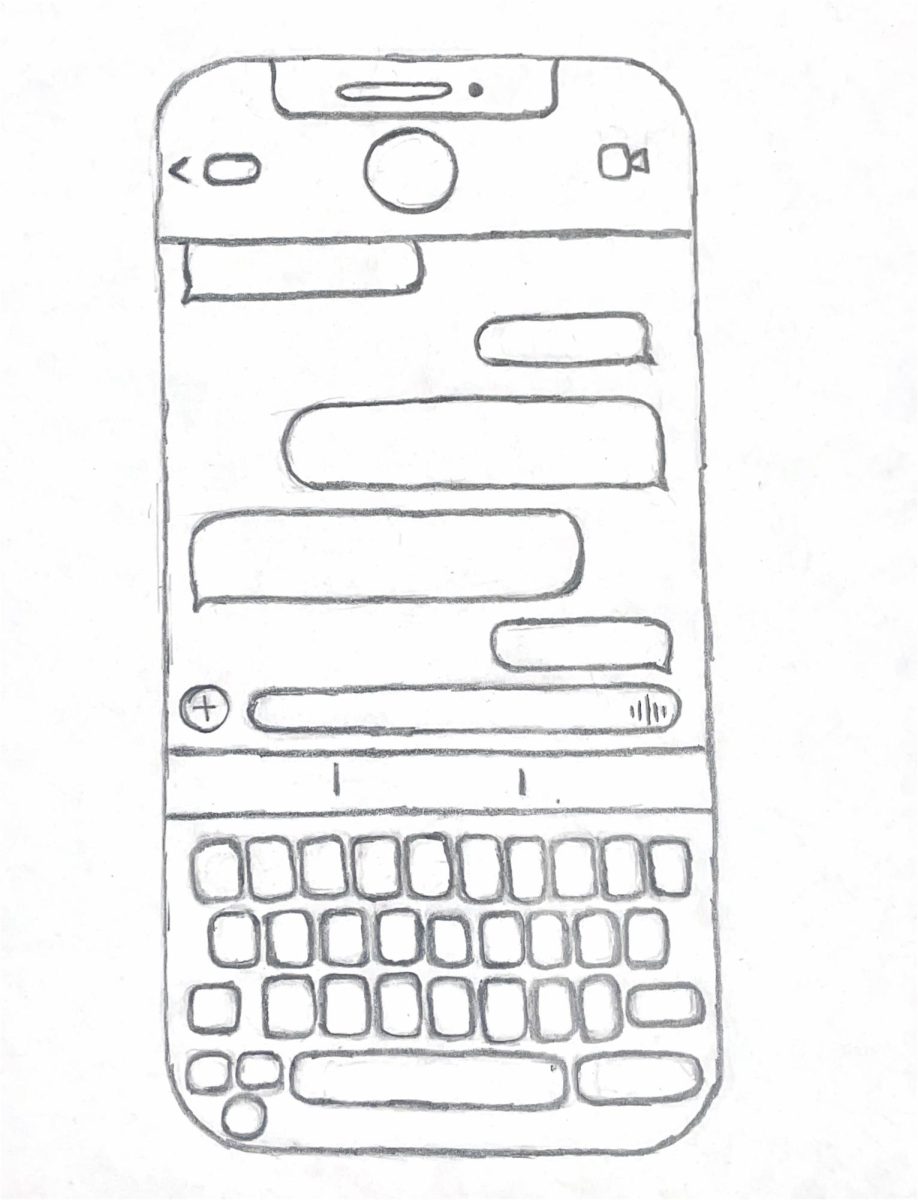
In every aspect of life, social media has impacted humanity. It has changed the way we connect with each other and our accessibility to ideas and news. Now more than ever, people rely on social media platforms to give them information, ranging from politics to sports.
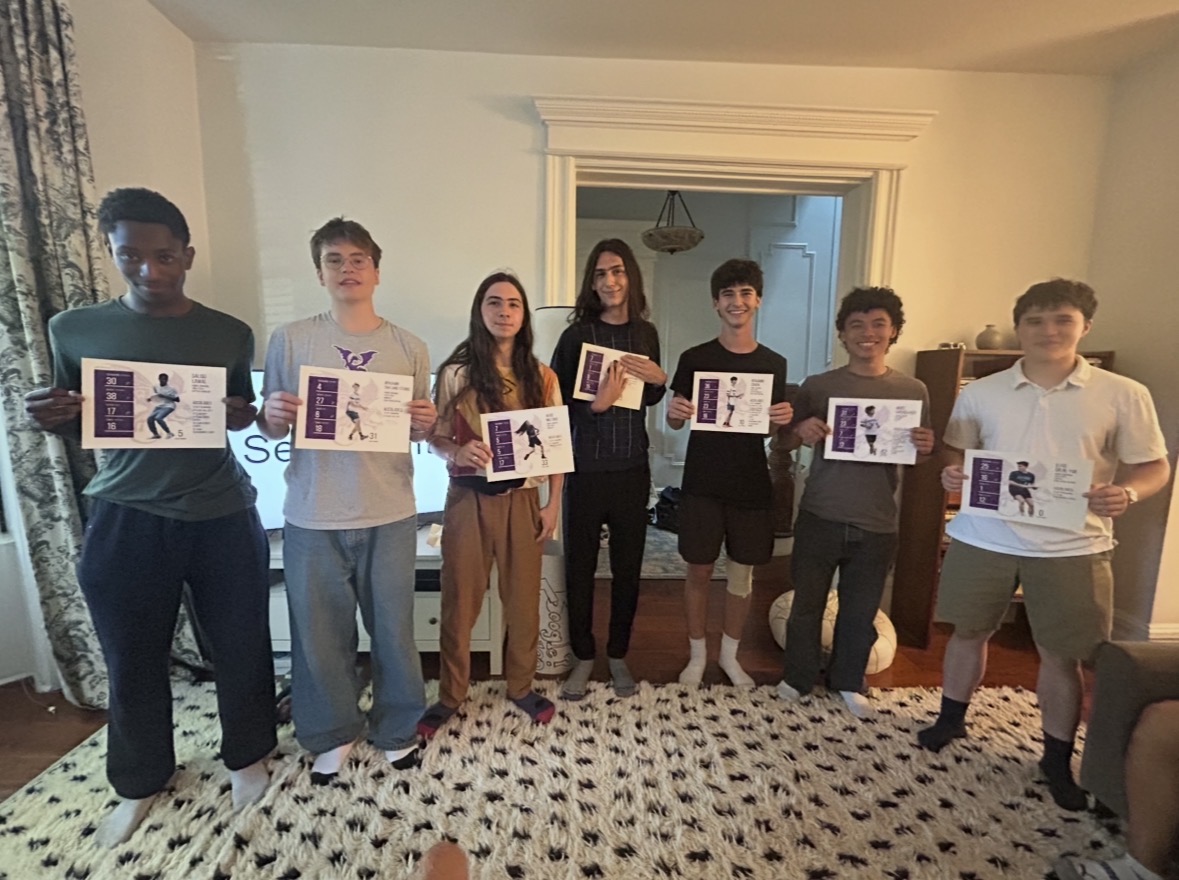
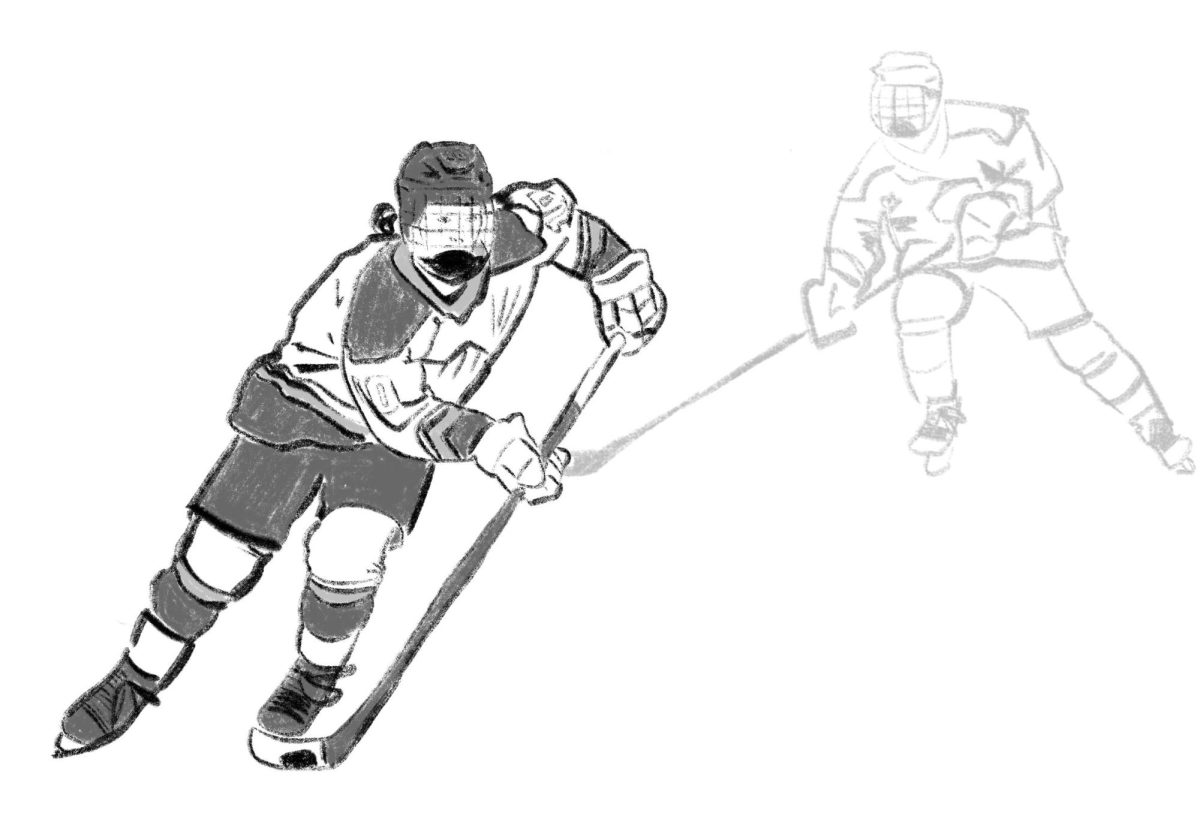
The worlds of athletes, athletic organizations, and fans have been heavily impacted by this shift over the past decade. With a few taps of engagement, somebodies’ fame can rise or fall, demonstrating the challenges—and the benefits—of social media.
A clear agreement between all parties is that social media is the key to two way conversations. Athletes now appear more “human-like,” with profiles that share their everyday lifestyle, from inside scoops at practices to fit checks. This humanized persona is what has drawn fans in, both new and old. It allows athletes to speak out and normalize discussing their mental health or other obstacles, encouraging younger athletes to persevere and be proud of their journeys.
For the teams and leagues, which thrive on engagement, social media is everything they could’ve asked for: “[social media] enables sports fans to engage, react and feel more connected to the teams and athletes they love.” With new trends every week, team accounts have plenty of ways to stay on your feed. Their creative and engaging short-form content often sparks excitement for fans. Whether engaging you in the team’s next game or brand new merch, every view and like drives the algorithms and boosts the accounts’ visibility.
Yet, this exposure comes with a cost. The platform given to athletes can carry far too much pressure; “[social media] also exposes athletes to public scrutiny and online abuse from fans, and can lead to effects similar to cyber-bullying.” Obsessive fans have been known to attack players for disappointing game performances, spreading false rumors, or even going as far as hateful deepfakes. These situations are not exclusive to professional, well-known athletes but also to college students or those just beginning their athletic career.
Athletes are often thought to be the beasts of mankind, representing the fastest, strongest and fittest of our species. With more fierce competition and high standards, the millions of factors shifting the world of athletics have made the pressure to perform “perfectly” unrealistic. So when athletes, especially young athletes, pile on constant training with the pressure of social media, we have seen proven negative effects on concentration and increased performance anxiety.
Implementing media consultants has been a common tool for larger organizations to help guide athletes behaviors online. Yet for those with and without media consultants, it’s mostly up to the athletes. Especially for players without the extra help and guidance, knowing how to present yourself online can be hard to navigate. The athletes are the ones who must decide how much time they will spend online, when it is time to disconnect, and their balance of connection with performance is.
The world of sports is always changing, whether it be from rising expectations, new forms of engagements, or updated eligibility rules. As fans, we must recognize that the appealing humanization of athletes on our phones is because they are truly humans. In today’s day and age, signing up to become an athlete can mean you’re signing up to be an influencer. Without presenting yourself on social media as a young athlete you could be at a disadvantage for recruitment and sponsorship opportunities. Both fans and athletes must learn to celebrate achievements without expecting perfection, and organizations must recognize this as an opportunity to grow, giving attention to all aspects of athletics—every sport, every team, every gender, and every level of play.
Let the new norm of social media in sports be a tool that uplifts all athletes, the tool that helps to make a dream someone’s new reality.