


















![[ERROR]: Lack of Women in the Software Industry](https://theechohsmse.com/wp-content/uploads/2024/12/APC_0280-984x1200.jpeg)





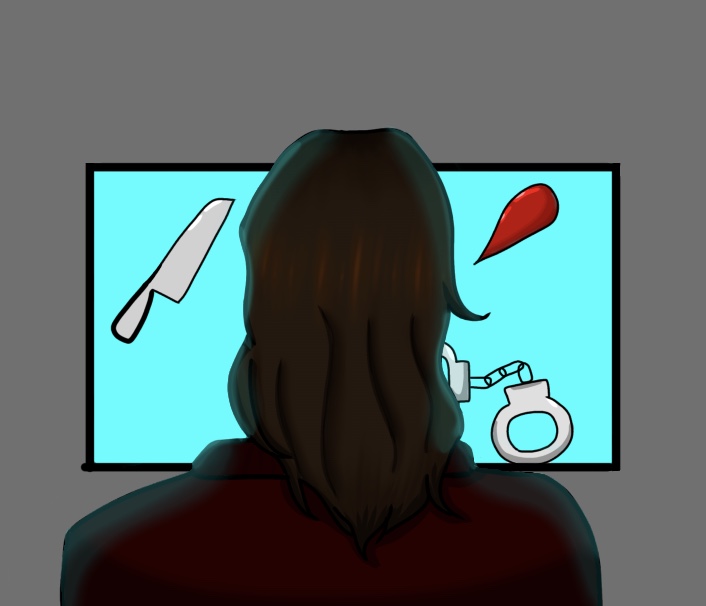
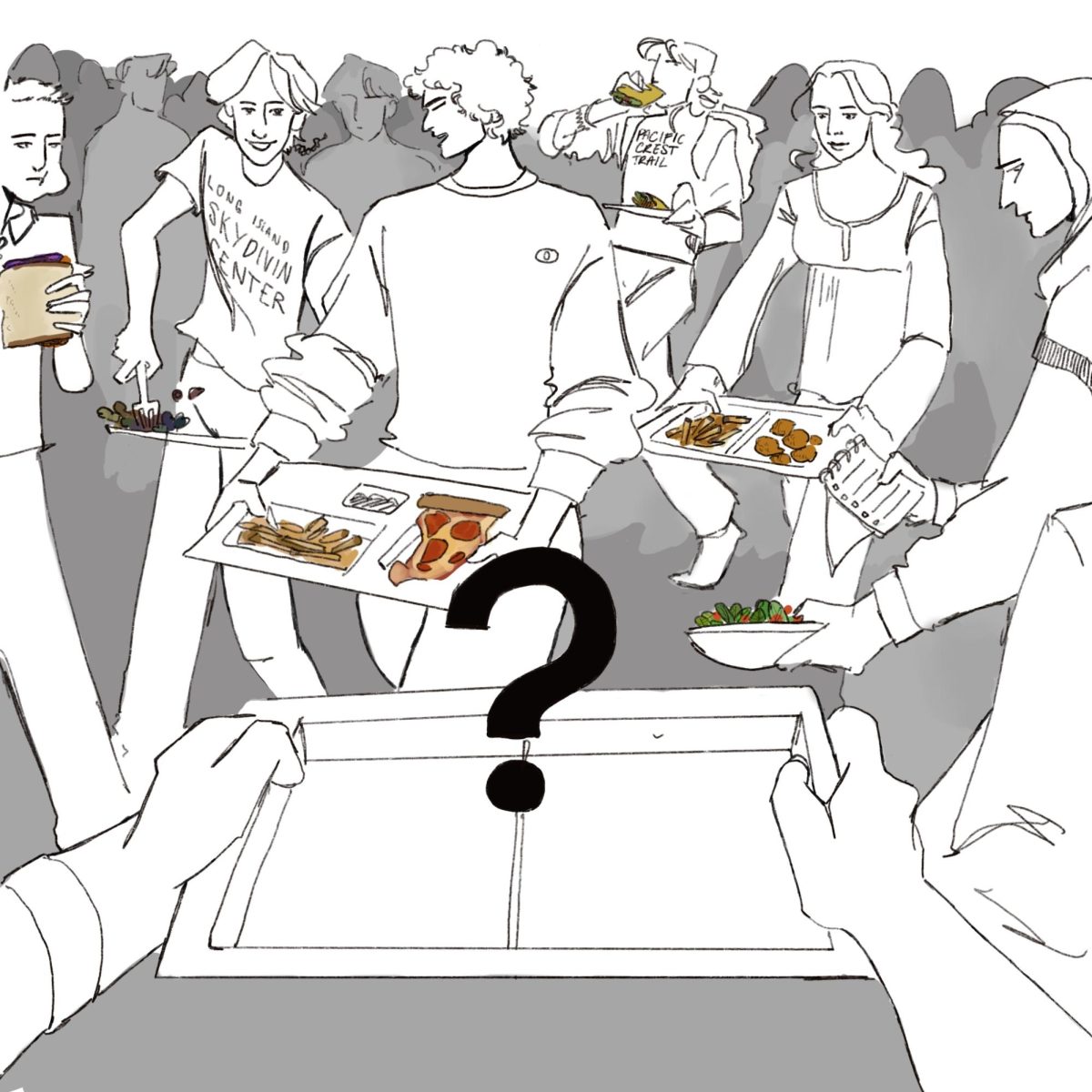
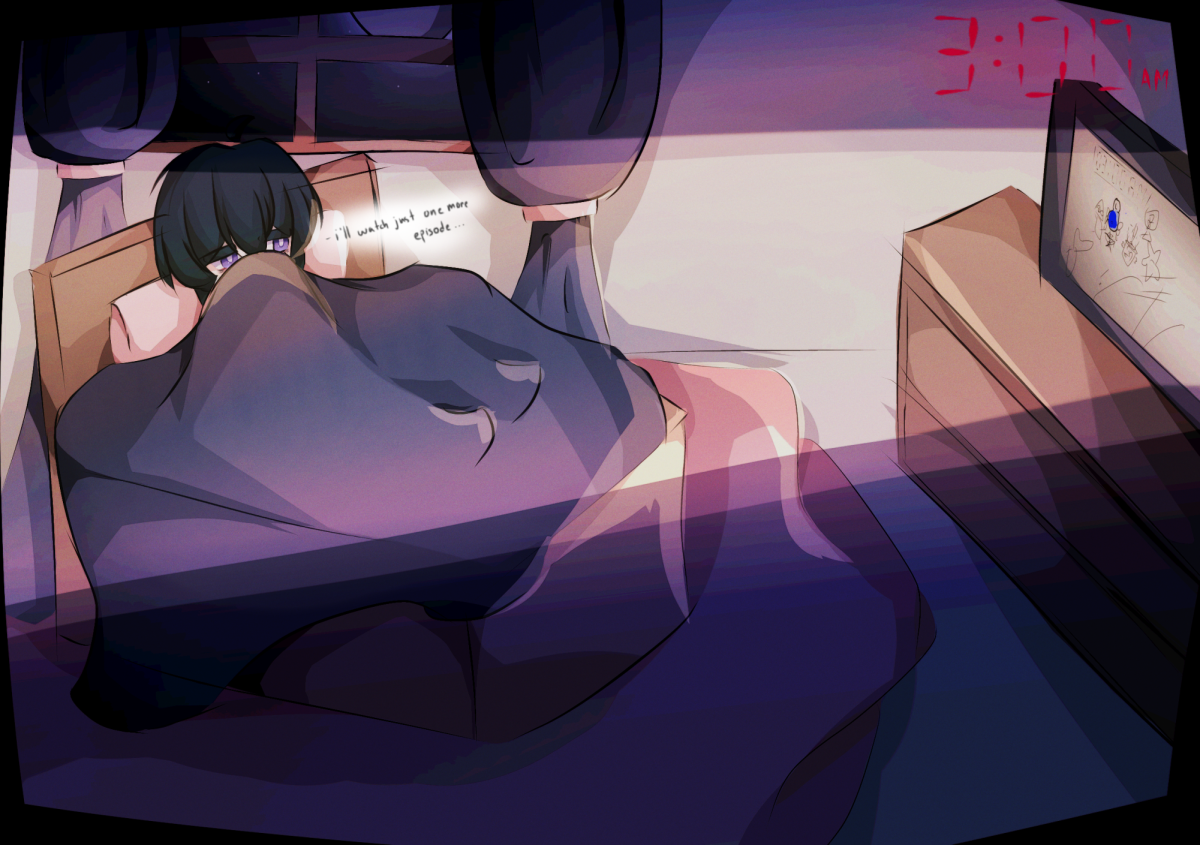
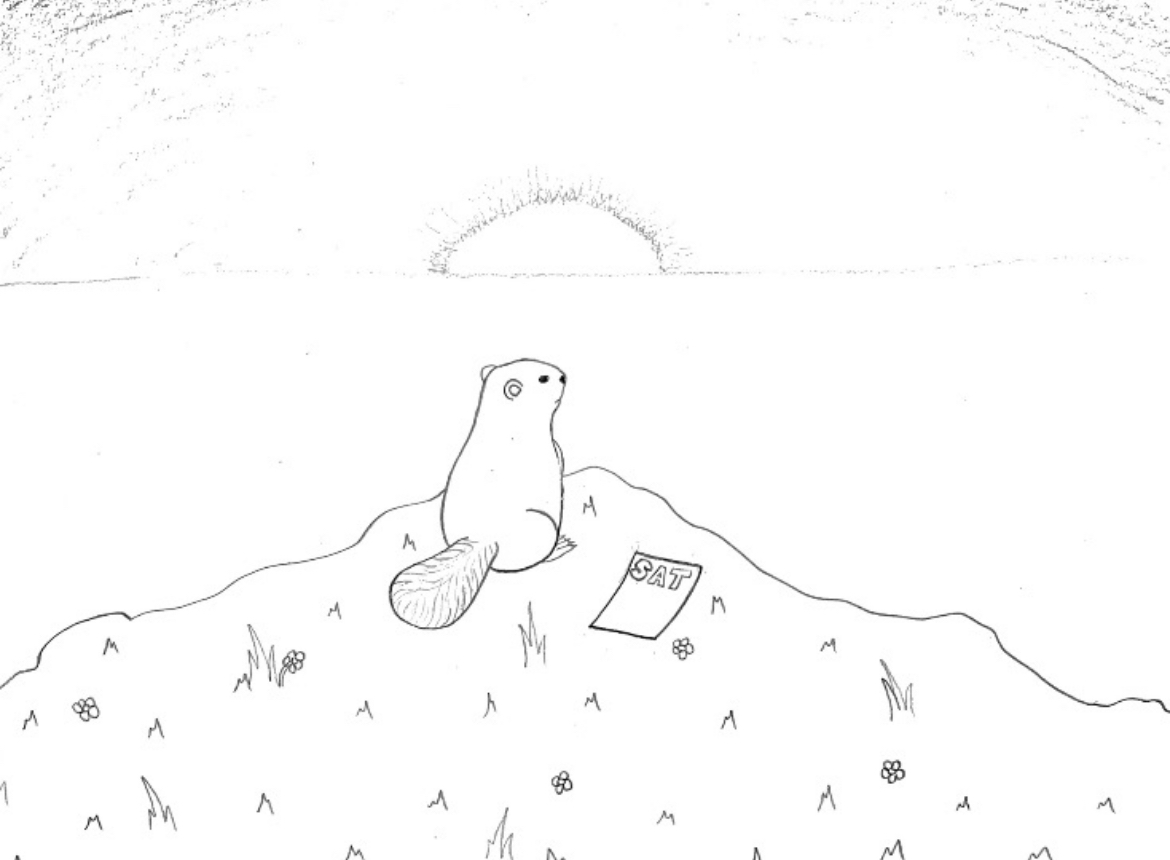
We’ve all been there. It’s Saturday morning. Wake up. Doom scroll. You think, “Oh, I should be productive. There’s still so much homework to do.” Then you start studying. For about ten minutes. The phone is just… so close. Before you know it, you’re back on Tik Tok.
What if the solution to this torturous cycle was coded into your mind? What if it was just a small lifestyle change that doesn’t force you to sacrifice anything? This solution is dopamine loading.
First of all, what is dopamine? Dopamine is a neurotransmitter (a chemical signal) produced by the brain to reinforce beneficial behaviors. In addition to affecting your mood, dopamine plays an important role regulating blood pressure and digestion.
Dopamine levels are naturally raised by doing things you love, such as spending time in nature, exercising, being around loved ones, and even eating chocolate. However, dopamine levels can be raised unnaturally high by consuming short-form media, alcohol, and drugs. For most students, the prevailing problem out of those three is social media usage. Humans have evolved to connect with others for our own survival, causing dopamine levels to increase during human connection. Social media instantly connects us with hundreds of creators and millions of viewers, flooding your brain with dopamine.
The concept of dopamine loading is based on refraining from high levels of dopamine to enhance the smaller, natural rewards obtained from completing a task, such as sending that one email, or completing that assignment you have been procrastinating for the past week. When we study, most of the time we’re extremely distracted because the relatively low levels of dopamine from studying mean an unpleasant change from the mind-numbing pleasure we get from social media. While studying, your brain is constantly seeking a way to reach the next source of dopamine, which makes it difficult to focus.
To start the process, begin with completing a small task to gain momentum. This can be something like tidying your desk or doing your laundry. Next, start any work you have. Breaks are important, so every 30 minutes, take a 5 minute break that provides a small amount of dopamine, such as taking a short walk or eating a small amount of chocolate. Simply repeat this process as long as it takes for you to complete all your work. Instead of completely cutting off social media, save it only for the end of the day. This will give you something to look forward to, motivating you to work towards a goal you will actually enjoy.
Ms. Patterson has been interviewed about dopamine loading, giving us her input on both its benefits and its drawbacks (edited for conciseness):
What do students usually say is the main distraction from studying?
There are a lot of things that can distract students from studying, but the most common ones I have heard are phones, social media, text messages, YouTube videos which can lead to several other YouTube videos, and even the environment a student is in. I think the most common distractions are linked to technology because it’s the easiest distraction, since a lot of the materials students may need to use to study are often on their phones or computers.
What is your opinion on dopamine loading?
I do believe that when you’re trying to develop good study and work habits, balance is always needed and what balance looks like can be different for everyone, but the most important thing is that it works for you as an individual. I recommend taking short breaks when studying or doing homework, and the timing of those breaks could be different for each person. I would recommend trying to find the balance that feels best to you.
Are there any flaws of dopamine loading that you would like to point out?
I think a flaw could be if you begin to rely too heavily on waiting for a particular feeling before starting work or studying. You may have a hard time doing what needs to be done if you don’t feel the setting or “feeling” is perfect. If you engage in a rewarding task before completing the work, will you be able to stop? I would recommend setting a timer beforehand and sticking to whatever time you set. My suggestion is find what works best for you, but don’t feel like you have to stick to only one approach.
For most teenagers, social media has become normalized to the point where we can’t imagine life without it. Dopamine loading can help students with this challenge, while not forcing the complete relinquishment of social media. For HSMSE students, procrastination remains an issue. Although A- and B-day schedules have been our safety net so many times, it’s easy to develop the mindset to push homework assigned to you onto the next day, despite having the time to complete it. Dopamine loading can make studying something that won’t be dreaded, encouraging early completion of work. Working with your brain instead of against it is the key to transform a draining task into one that’s not so bad.