






























![[ERROR]: Lack of Women in the Software Industry](https://theechohsmse.com/wp-content/uploads/2024/12/APC_0280-984x1200.jpeg)






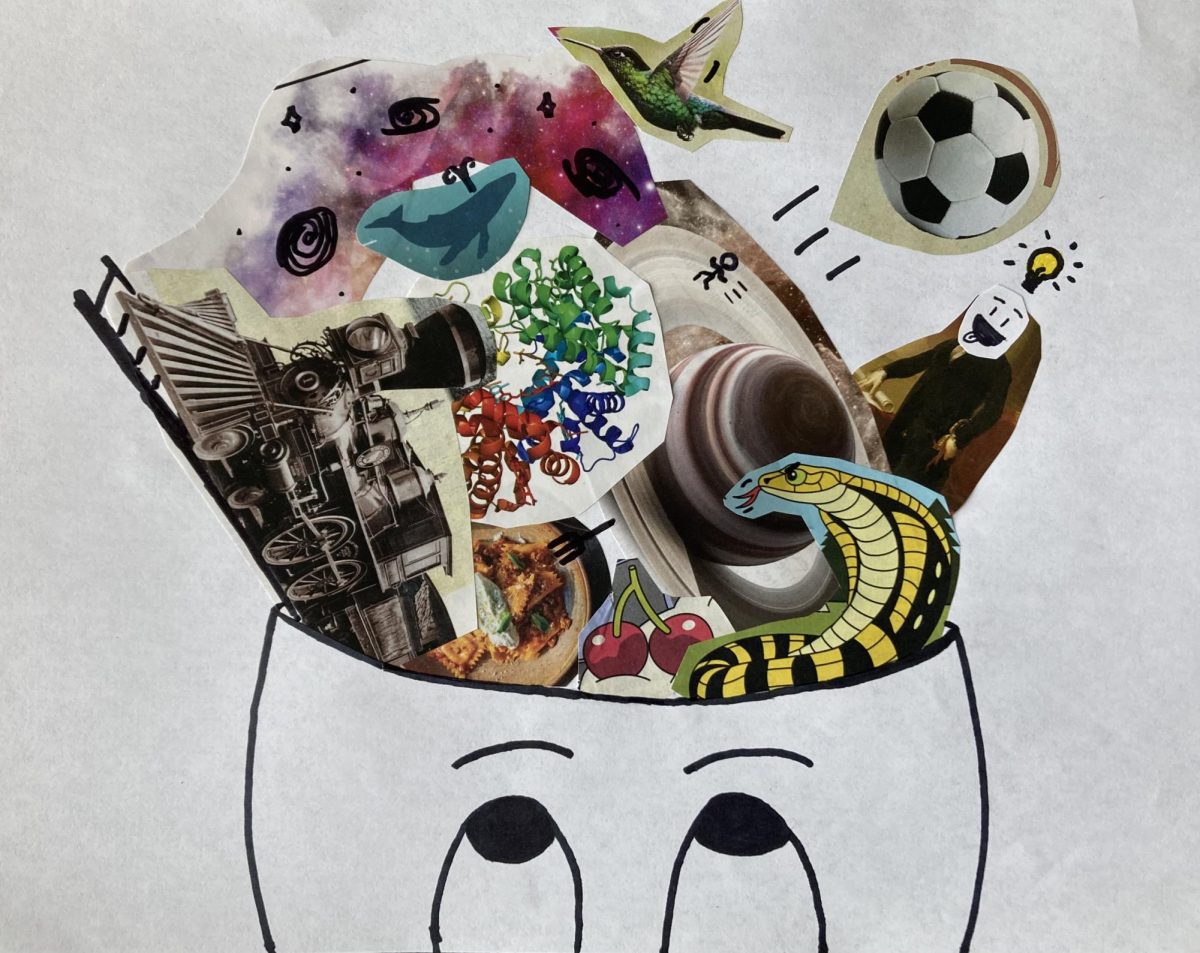
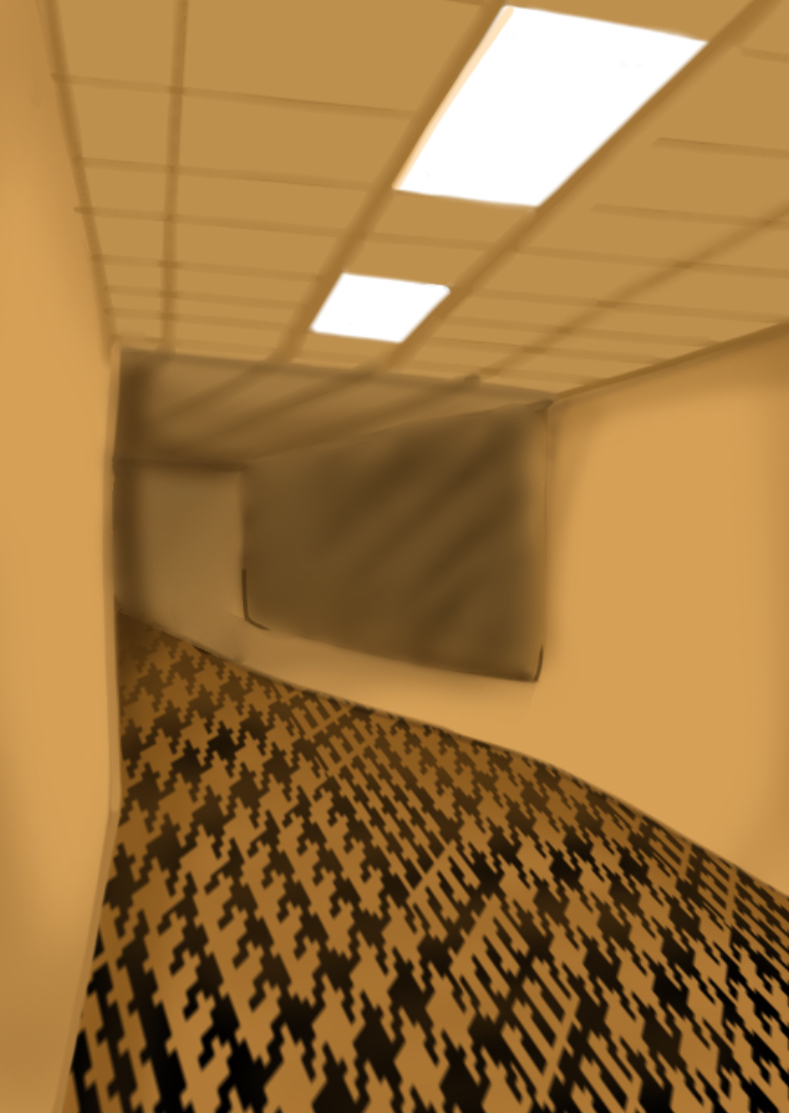
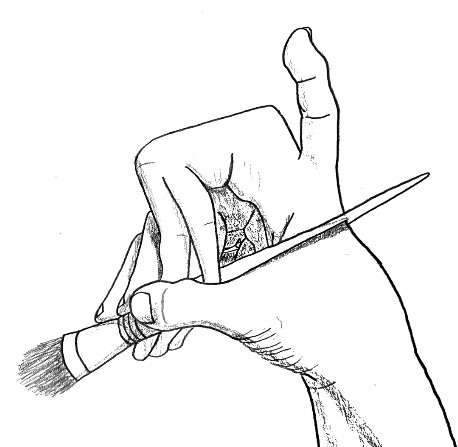
I want you to picture a car. It can be whatever color you want—red, black, maybe even neon yellow if you’re the rebellious type. The details are fully up to you; just make sure you’re picturing something that at least vaguely resembles a car. Got it? Good. If you were able to envision a car… how did you picture it? I’m not asking for what it looked like. I want to know how on earth you created an accurate image of a car inside your own mind. You don’t have eyes back there, and everyone knows you need eyes to see something. So how exactly are you seeing the car?
Though it’s impossible to know exactly how humans developed mental imagery, we can look at what we know about history and try to form accurate theories about what happened. Leading theories include the proposition that mental images originally evolved in small mammals as a survival technique to enable more effective planning. In fact, things like dreams and imagination, according to certain theories, actually started out as a genetic mutation that eventually dominated the gene pool because it gave those who had it a competitive edge that allowed them to outplan and thus outwit their peers.
Despite their intangibility, mental images are actually fairly similar to physical images in terms of brain activity. The occipital lobe, including the visual cortex stored within, is responsible for the processing of images in the brain, taking visual information about the outside world and turning it into things we can see and use. Even though mental images aren’t able to be physically seen, the visual cortex still reactivates during mental imagery. In fact, the processes governing physical and mental images use extremely similar structures, just in opposite orders. In physical imagery, the brain first processes information in the occipital lobe and then transfers it to the hippocampus, which is responsible for storing information; in mental imagery, information is instead transferred from the hippocampus back to the occipital lobe.
In addition to these similarities, the eyes are employed in processing spatial information during both physical and mental imagery. However, results remain both inconclusive and contradictory on whether eye movements re-enact those performed during physical imaging or perform some other function. Regardless, it’s clear that both physical and mental imaging rely on the same basic facilities, employing the same tools to create an image in a person’s mind.
There are still some uncertainties regarding the exact nature of mental images. A study published in Brain Science showed that those blind from birth sometimes use visual descriptions when retelling their dreams, suggesting that they were able to form mental images despite no prior visual stimuli. Despite this, the evidence connecting mental and physical stimuli is overwhelming. All in all, mental imaging is made possible by your brain’s impressive ability to create and rebuild, so the next time you make up an image in your head, know that it’s an amalgamation of what you have already seen.