





























![[ERROR]: Lack of Women in the Software Industry](https://theechohsmse.com/wp-content/uploads/2024/12/APC_0280-984x1200.jpeg)







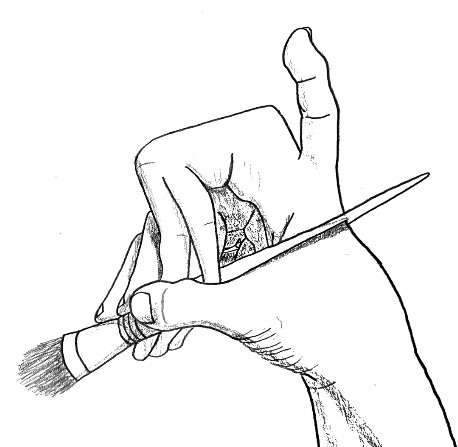
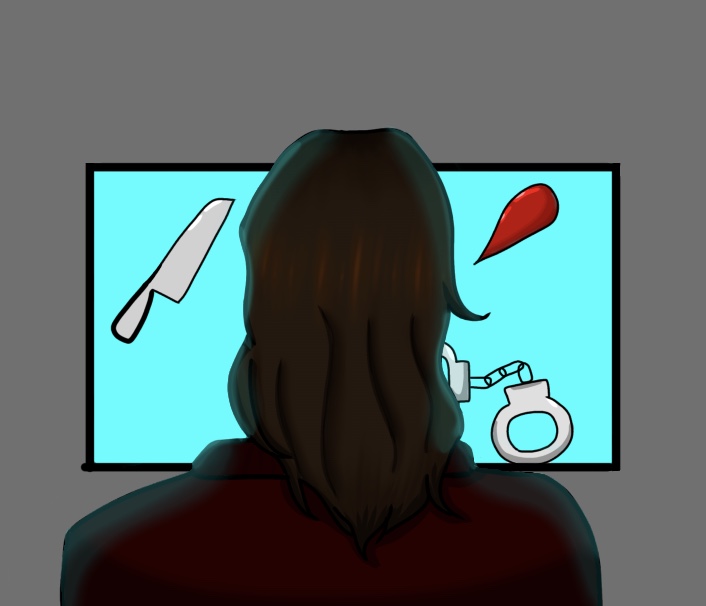
It often happens that we find ourselves doing multiple things at once, or, in other words, multitasking. Whether it is exercising while listening to music, watching reels as you do your homework, or a multitude of other things, you likely multitask every day. Yet most of these concurrent tasks we barely notice. Multitasking has become a natural part of our daily lives and often leads to a decline in productivity.
When questioning whether humans can multitask or not, the answer is clear cut. Our brains have adapted exclusively to monotasking, which essentially means we lack the brain architecture to multitask. When you are doing two or more tasks that require high attention, your brain begins to switch between tasks to allow you to “multitask.” This is largely inefficient. Switching between tasks happens because your brain doesn’t do both things at once, so it takes away from one thing to facilitate the other. Switching between tasks also leads to inefficiencies in the work being done.
As you switch between tasks, you have to recall information about what you were doing previously, making the task more cumbersome and of lesser quality when it is completed. This is why you might make mistakes while watching TV and cooking. Due to the high attention needed to do both tasks, your brain quite literally does not process significant portions of what your hands are doing as it switches to understand what is going on in your TV show or movie. That, or you are left with a poor understanding of the TV show or movie because you were focused on the cooking and only caught bits of it.
While multitasking has deep neurological effects, there are also surface-level consequences we can see in our day-to-day life. Attempting to multitask leads to less absorption of the material you are focusing on, which hinders your ability to retain information. This is because your brain is unable to take the time to encode information. Multitasking is essentially constantly distracting your brain from what you are doing, both in taking in information and in properly storing it. All of this means multitasking can make you more susceptible to error. These effects can lead to a heightened stress level and blood pressure, which, if chronic, can lead to increased risk for cerebrovascular disease and cognitive impairment.
So, how do we not multitask? How can we focus without burning out? An example of a method designed just for this is the Pomodoro method. It involves working for a longer period of time with break intervals. The steps are as follows:
- Select your task.
- Set a 25-minute timer.
- Work on ONLY what you have selected until the timer goes off.
- Take a 5-minute break.
- Repeat.
- Take a longer 15-30 minute break every four intervals.
The Pomodoro method attempts to increase productivity and avoid burnout. By using this method, your brain is able to focus on the task at hand, increasing efficiency and quality of learning, leading to stress reduction and a structured, goal-oriented way to accomplish tasks. It is important to note that the time intervals are not 100% rigid. You can play around with them, but they should stay relatively similar to the original suggestions. Studies also show that this method can help people with ADHD and learning disabilities begin tasks.
At HSMSE, even if you feel you must multitask to complete what you need to do, it is important to be aware of how much it can affect your productivity. Think about it—taking notes in class while listening to the teacher who has already moved on, listening to music during classwork, etc. As students at a specialized school, we have a relatively heavy workload every night, and time management is priceless. Acknowledging that multitasking is not efficient and utilizing methods—such as the Pomodoro method—can lead to more success within the classroom and beyond.