



















![[ERROR]: Lack of Women in the Software Industry](https://theechohsmse.com/wp-content/uploads/2024/12/APC_0280-984x1200.jpeg)





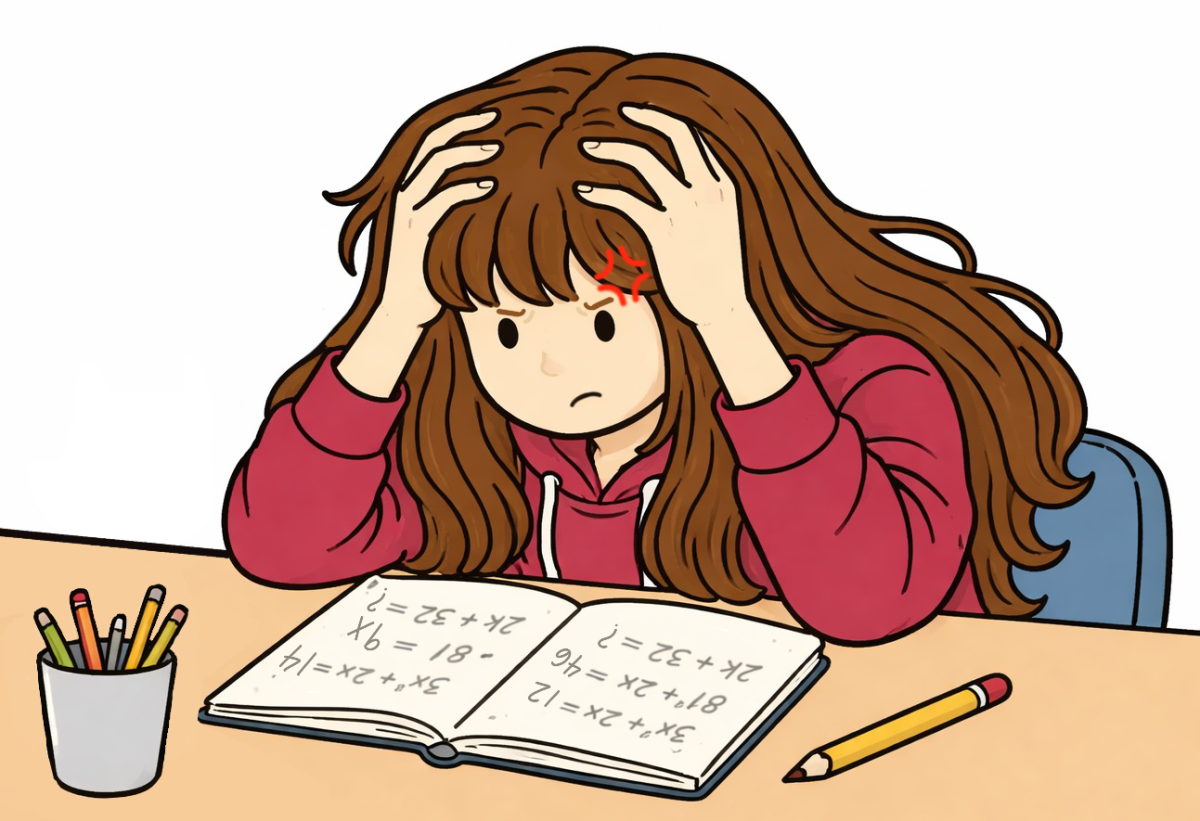
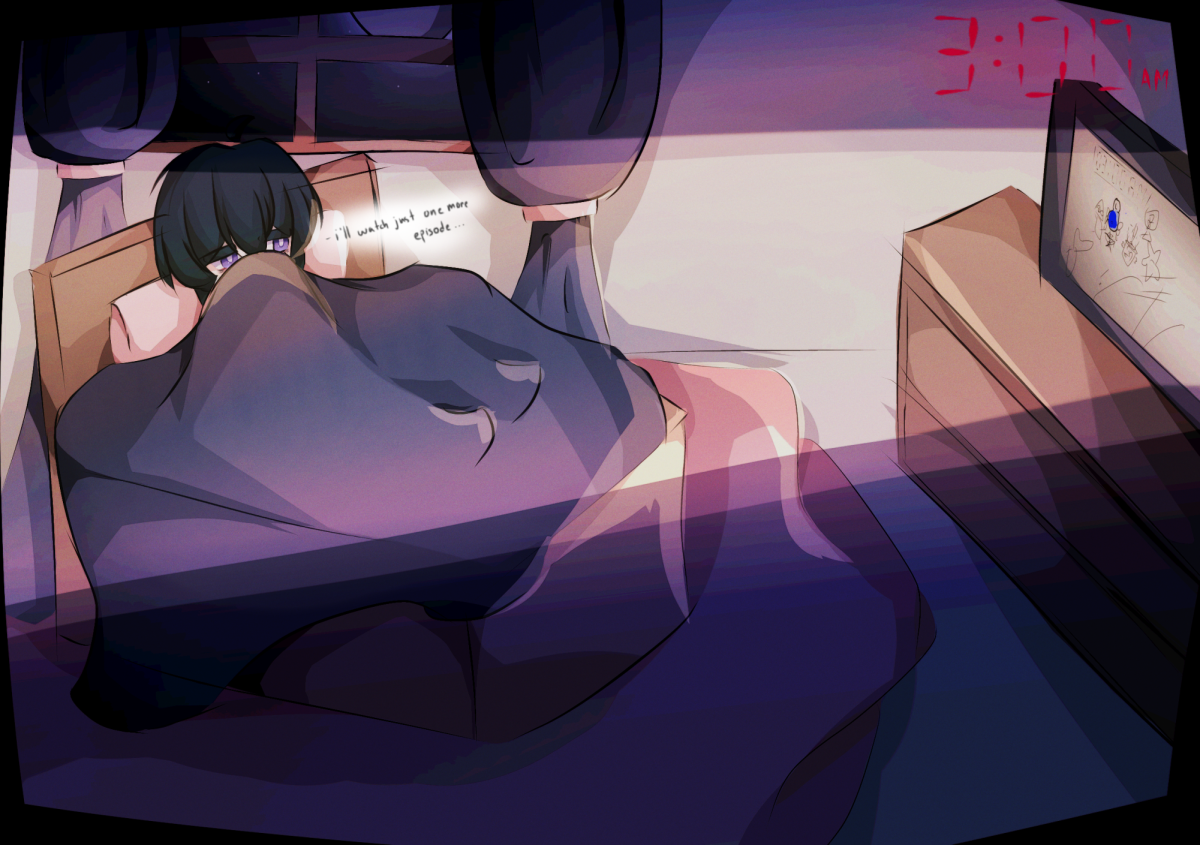
One of the worst feelings in the world is having multiple hours to do homework or study for a test, only to watch it vanish in what seems like an instant as you turn to something more entertaining, like TikTok or YouTube. The most frustrating part is that the consequences, such as late homework, being unprepared for tests, and lack of sleep, are entirely self-inflicted. Though you have the free will to avoid procrastinating, you do it anyway, and it hurts both your grades and your mental health. Or maybe it’s not schoolwork being affected; maybe you waste free time on boring, passive activities, and instead of feeling relaxed, you just feel mildly unsatisfied. Whatever it is, it’s wasting your time and you want to stop doing it. Next time, you tell yourself, you will actually lock in on that homework assignment, or find something more worthwhile to do on a break. But … you don’t. Why?
The question of why we don’t follow through on our plans or convictions has been debated for millennia. As early as in Plato’s Protagoras, Socrates questioned why “many, while knowing what is best, refuse to perform it, though they have the power, and do other things instead”—a problem which the ancient Greeks dubbed “akrasia.” An action done in spite of better judgement can be labelled as an “akratic action.” Diving into a debate on the reasoning behind this occurrence, Socrates described how most people have cited “acting under the influence of pleasure or pain” as an explanation for their akratic actions. More recently, as explained by psychoanalyst Merton Shill, the controversial psychologist Sigmund Freud theorized that all humans had an innate “pleasure principle,” or a desire to escape extremes of both happiness and discomfort. According to Shill, Freud’s pleasure principle manifests in the brain’s attempts to bring emotions back down to a more neutral ground, and avoid overstimulation in the process.
Modern psychologist Timothy A. Carey posits that we don’t do a single thing without some sort of desire to do so. Essentially, whether you’re doing homework at 3:00 a.m., slogging through meme edits on YouTube, or forcing yourself to listen to a terrible flute rendition of “Take On Me” by A-ha, it’s because you want to do so in some way.
The works above share a common thread, in that they point to our desires being a strong driving force behind our actions. However, the primary question is not why we do things, but why we perform akratic actions, which are the ones that we know will ultimately hurt us. Performing an action to earn a paycheck is sensible, but doing something that will slow down the action and extend the work period is foolish.
An important concept in understanding why these situations arise is hyperbolic discounting. Hyperbolic discounting refers to the human tendency to choose short-term rewards over long-term ones, even if the gains from long-term rewards are greater. This phenomenon may be rooted in prehistoric times, when time was of the essence when it came to matters regarding survival, and is stronger in more risk-averse people, as there is less perceived risk in getting a reward immediately than allowing the winds of fate to blow where they will. Furthermore, past rewards can restructure our decision-making process, as the brain automatically prioritizes actions that have rewarded it in the past when considering its choices.
Since our brain is constantly prioritizing actions that it thinks will deliver rewards, it’s no accident that we’re commonly faced with the consequences of our akratic tendencies. Decisions are unavoidable, and if you don’t feel like you have the strength or willpower to make the “correct” decision in a given moment, chances are that you’ll end up with a decision that leaves you demoralized. Still, like all things, akratia can have its positives and negatives. The positives generally stem from the lessons we can learn, as receiving consequences for decisions we judged to be bad can fast-track us on to the correct course of action. Negative outcomes occur when the akrasia either doesn’t or won’t teach us a lesson that we can use later on. In those instances, it becomes apparent that akratia is not the problem, but a symptom of a larger issue that needs to be addressed in our lives.
It is also important to note that the motivation to do tasks may be lower in ADHD individuals than in neurotypical individuals. It has been theorized that this occurs as a result of a dysregulated dopamine system, and that ADHD individuals are more delay-averse, meaning that they have a stronger desire to avoid delays between the start and end of something than others. For an individual living with ADHD, this can make akratic tendencies even more prevalent, as they are influenced more strongly by the above problems, usually having an increased predisposition to seek dopamine. ADHD individuals also get distracted more easily, allowing new ideas to sneak in and take their attention away from the task at hand more frequently than in a neurotypical individual.
The reason we do what we ultimately don’t want to is because we want easy rewards, and akratic actions promise just that. Procrastination promises quick relief from the burden of the task at hand. Temptations promise easy pleasure with little to no cost. Idleness promises familiarity and comfort just for doing what you’ve always done. Defeating akratia will require an ability to see past these smaller, enticing rewards and focus on your true goals.
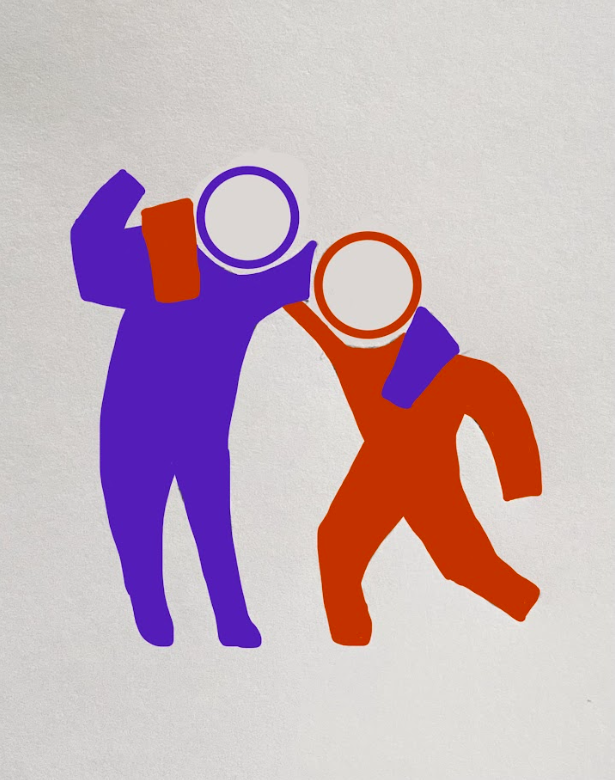
Our choices are deeply rooted in the brain’s craving for rewards and subconscious judgement on what’s best. These automatic actions that your brain follows can make it very difficult to avoid a pattern of akratia, subverting your intentions using things you can’t control. So if your efforts aren’t proving to be enough to provoke a change, bring in more effort: Get someone else to help you with it. Others can act as a secondary defense against these problems, not being affected by the same personal position that will hinder you in the moment.
Akratia will always act as a hindrance, so treat it as such. Constantly demand from your actions a reason; ask yourself if each action should really be undertaken. When you learn to overcome momentary desires and inclinations and base your actions off of strong goals and motivations, your future will come to be defined by the solid foundation you’ve laid down for it.