









![[ERROR]: Lack of Women in the Software Industry](https://theechohsmse.com/wp-content/uploads/2024/12/APC_0280-984x1200.jpeg)
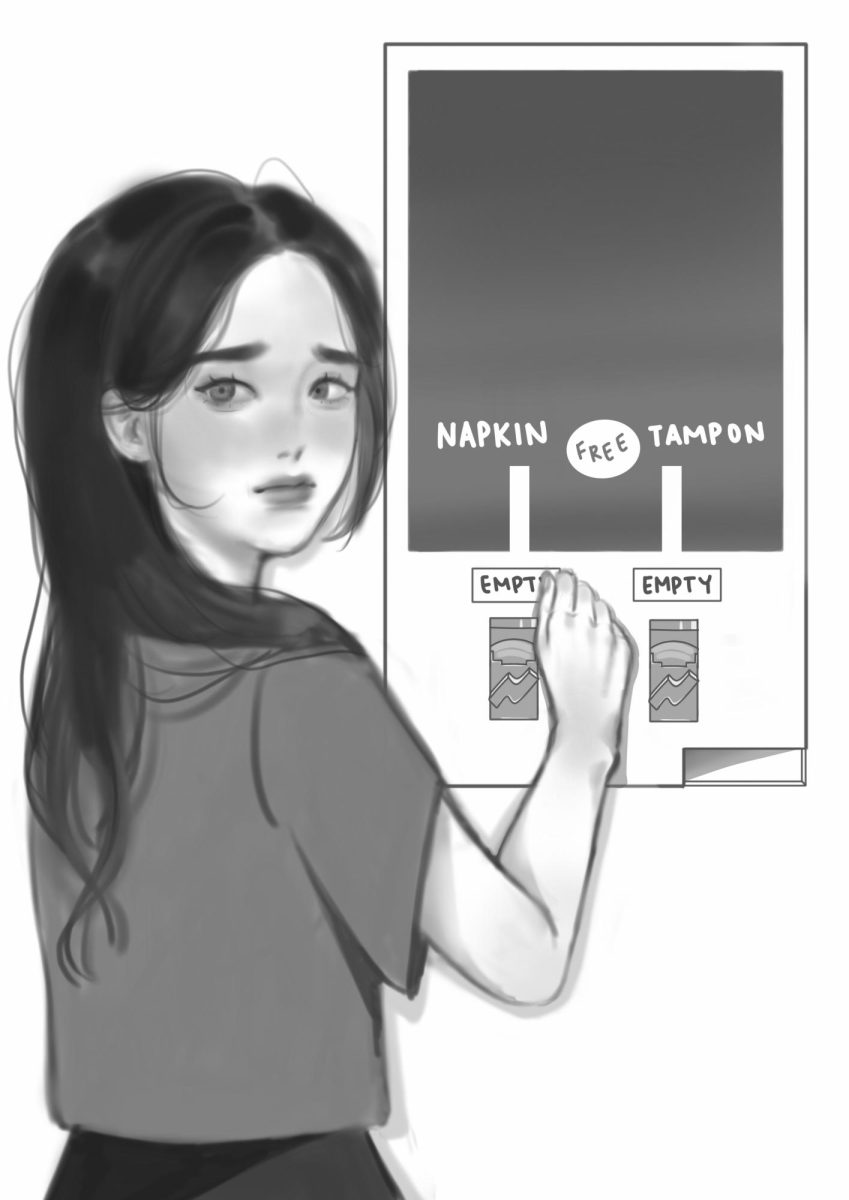



High school is a time of self-discovery, a time where students join new groups, clubs, and challenging classes. But these activities can feel overwhelming. Surveys show that since 2020, high school students’ reported stress levels have increased by 45%; the chaos of online school could have contributed to that increase.
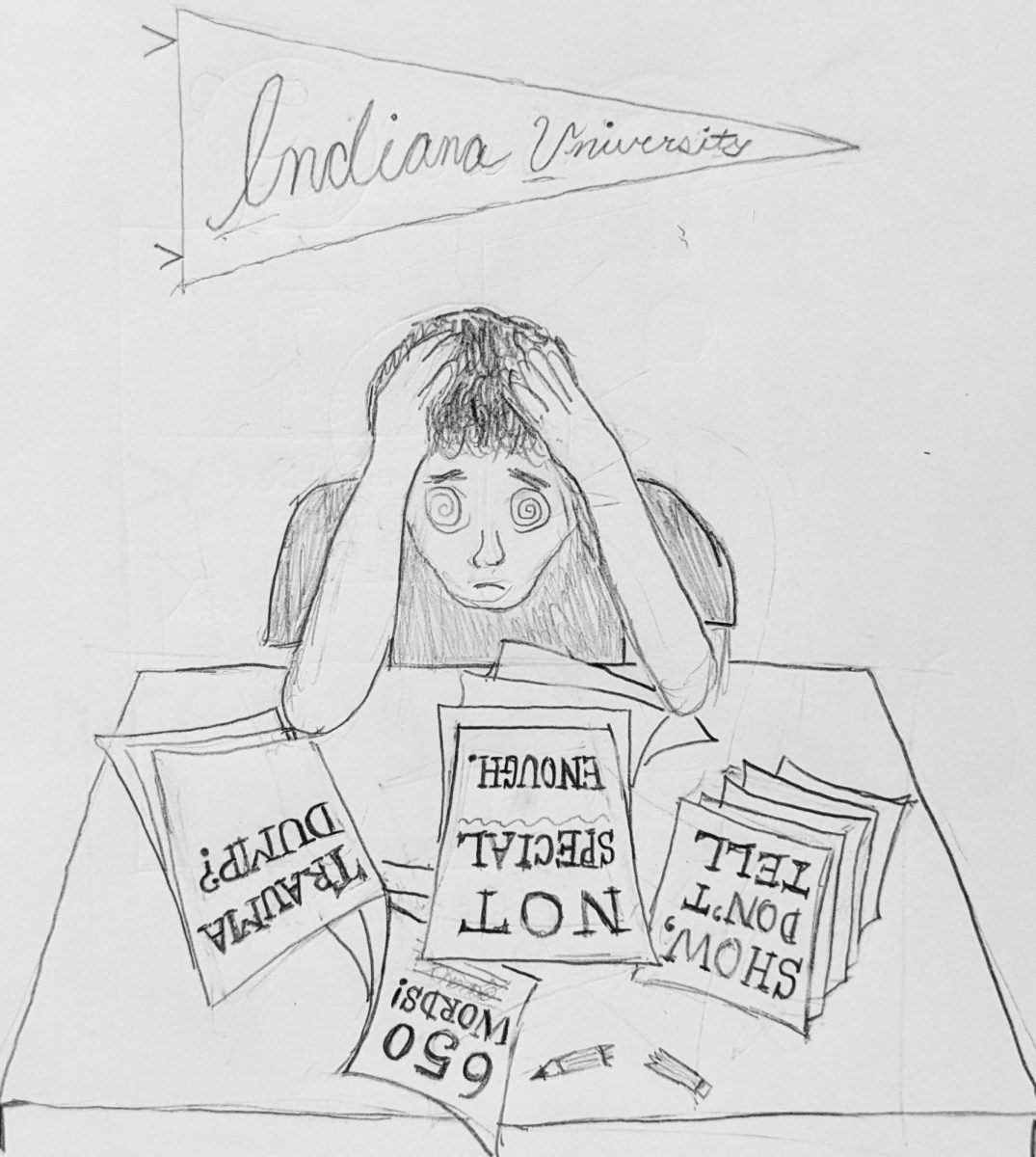
The primary reasons for these heightened stress levels include increasingly competitive college admissions, schoolwork, and extracurricular activities. For many high school students, the focus of their activities is building a college resume. A senior research scientist at the New York University College of Nursing, Noelle Leonard, states, “School, homework, extracurricular activities, sleep, repeat—that’s what it can be for some of these students.” This level of strictness and worry can be harmful to their academic performance and mental health.
Being stressed like this all the time can also have dangerous effects on the body, such as anxiety, depression, inefficiency, stomachaches, sleep loss, and more. When your body is under stress, it releases a hormone called cortisol, which helps regulate blood pressure and immune function. When a person’s body has too much cortisol, their immune system is suppressed and their blood pressure increases. This can lead to impaired cognitive performance.
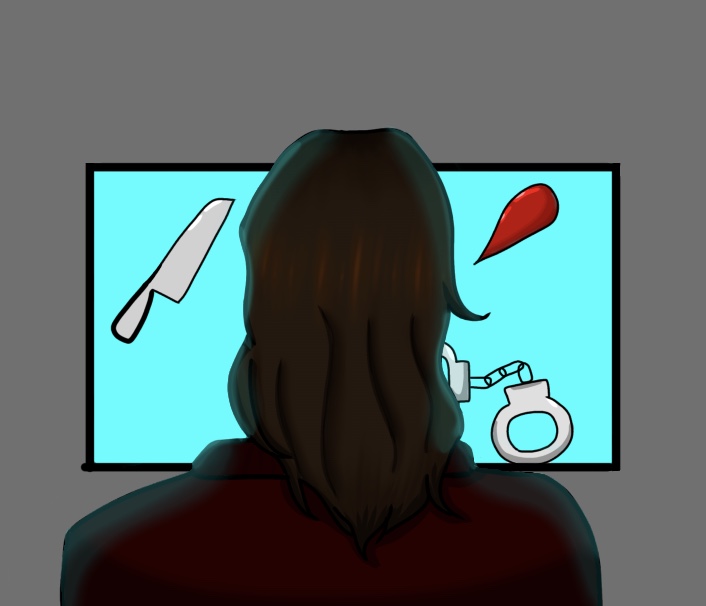
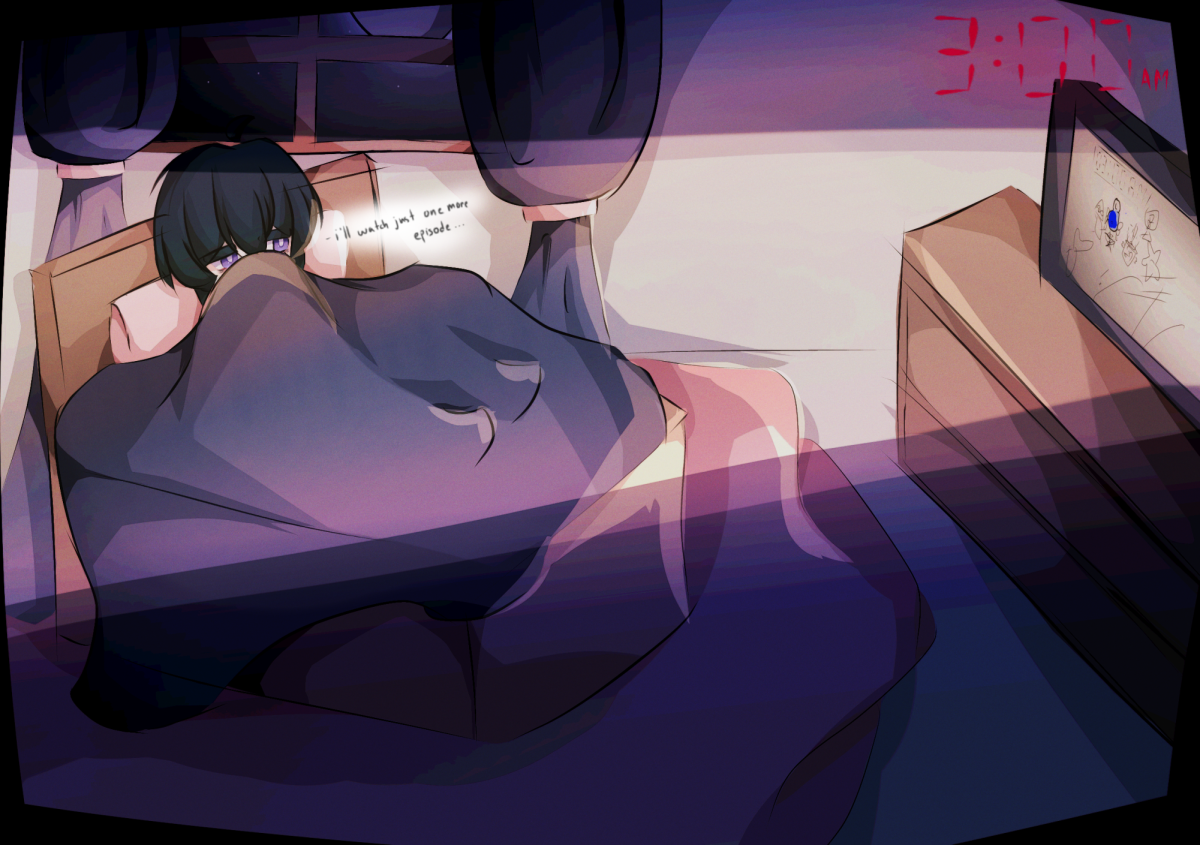
While it is a large factor, school is not the only detriment to high school students’ mental health. With the rise of social media platforms such as TikTok and Instagram, many people find themselves “doomscrolling”: spending excessive time online scrolling through news or other content. Doomscrolling can stem from a need for distraction or simply from boredom. Either way, it can suck hours of a person’s day away from them without them even noticing.
So what does this have to do with students’ mental health? Emma Duerden, an education professor of the Western Institute for Neuroscience, said, “Passive scrolling is a major concern. We get sucked in, and time just disappears. For the teens we surveyed, passive scrolling heightens their anxiety.” Additionally, filling boredom with scrolling can lead to increased frustration and impulsive behavior among teens. Yale Medicine states that frequent social media use “overstimulates the brain’s reward center and, when the stimulation becomes excessive, can trigger pathways comparable to addiction.” This leads to sleep deprivation and a decreased attention span, both of which are essential for teenagers to function effectively.
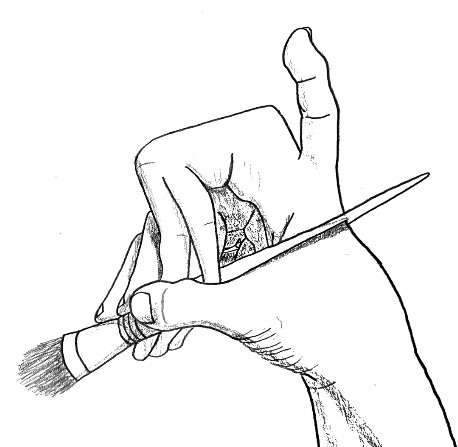
This is where creative outlets come in. In many cases, high school students who are stressed about school and deadlines are unlikely to see school in a different light, but they can find new ways to channel their feelings. A creative outlet can come in many forms, from doodling in a sketchbook to writing songs and baking. Gavin Clayton, the executive director of leading mental health and arts charity Arts and Minds, conducted a study on the impact of creative expression on people who struggle with stress-related mental health disorders. He found a 71% decrease in feelings of anxiety, a 73% fall in depression, and a 76% increase in well-being among participants. Research from the Harvard T.H. Chan School of Public Health and the Harvard Medical School shows making art can lower cortisol levels and release dopamine, serotonin, and oxytocin, which can improve mood.
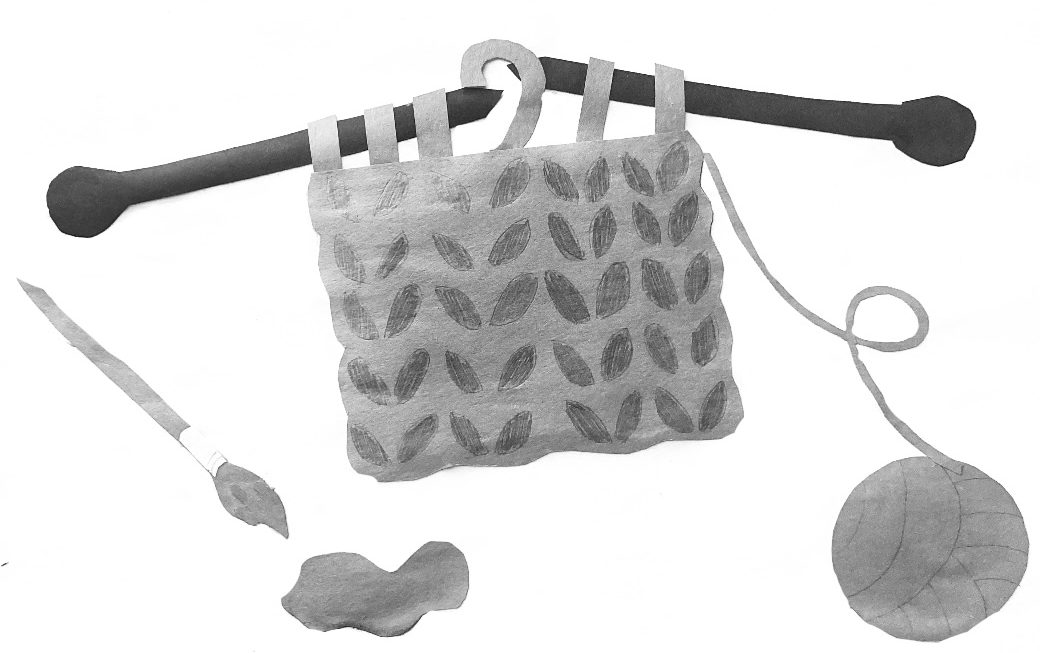
So now that we have determined that creativity can improve high school students’ mental health, how can they fit it into their schedule? While it is true that many students find themselves with little free time, making time for even a small amount of creativity can make big changes in their days. Small ways students can find this release include drawing in the time between their classes, journaling before bed, and engaging in hobbies such as crocheting, knitting, and baking. Additionally, students can express their creativity at HSMSE through programs such as art classes and after-school clubs, including The Echo, our student newspaper, and The Mental Breakdown, a mental health-centered podcast.
The Echo interviewed Madeline Johnson (’26), the founder of the HSMSE jewelry making club, about why she founded the club and how it has impacted her. “The club is run by me and my best friend [Neve Glover (’26)],” she said. “When we met in 10th grade, I told her, ‘I love your earrings,’ and she said, ‘thanks, I make them.’ She taught me to make my own jewelry, and then in 11th grade we started our club.”
Madeline also explained that the club functions as a place for students to relax and spend time together: “If you have ever been to the club, it is very much a hangout where we make bracelets, unwind, and teach each other new things, but mostly it is just a way to relax and not only do homework; it’s great.” This is just one example of how creative activities can provide students with social and mental benefits. Additionally, it is an activity any HSMSE student can take part in.
And remember, if you ever need mental health help, don’t be afraid to speak up and talk to Ms. Dylan, our guidance counselor, or another trusted adult. Especially now, when stress levels are at an all-time high for high school students, finding creative outlets we enjoy can help lessen the load and improve our day-to-day lives.