



























![[ERROR]: Lack of Women in the Software Industry](https://theechohsmse.com/wp-content/uploads/2024/12/APC_0280-984x1200.jpeg)






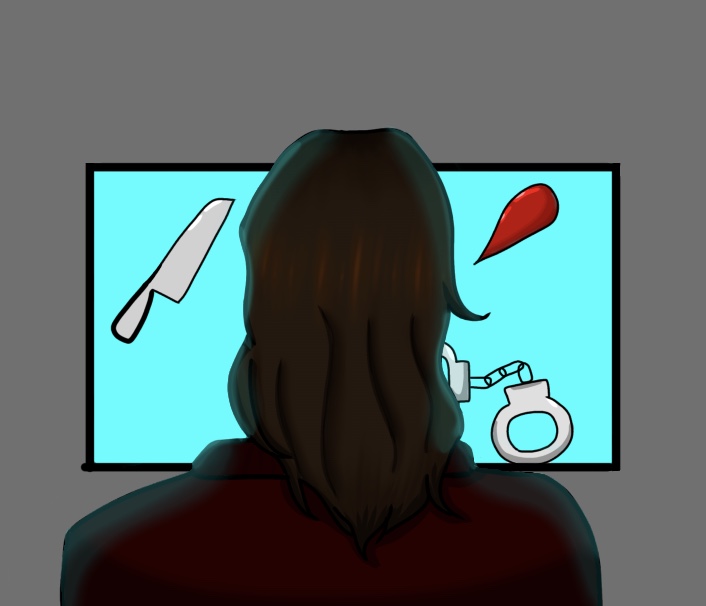
Social media is known for having a wide variety of people, beliefs, and groups, including people of various religious, political, or social origins. One such group is the “manosphere,” a community predominantly composed of young, isolated men. Yet the question remains: What exactly is the manosphere, and what does it say about modern society?
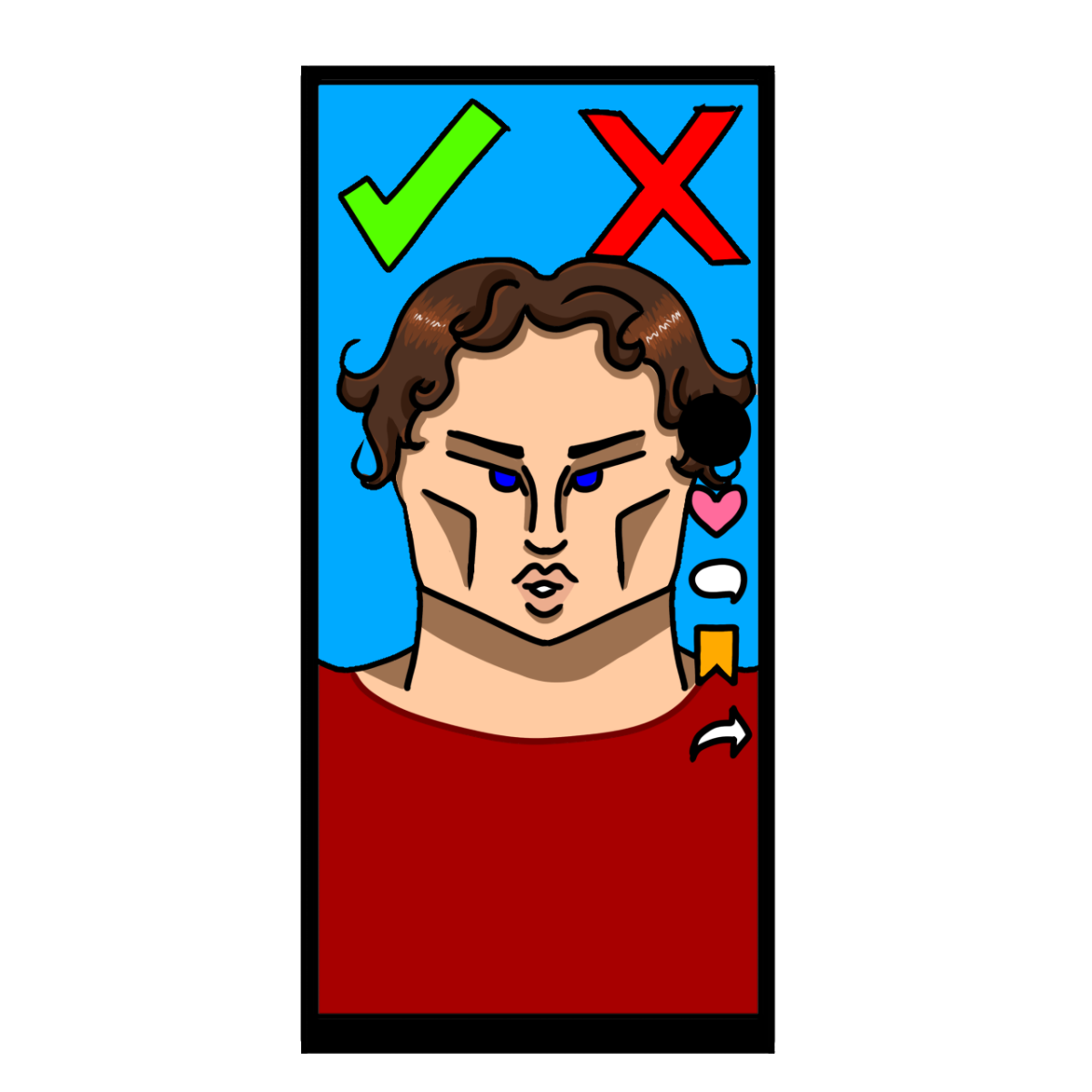
Taking a look at the various image boards and content creators within the manosphere reveals a clear theme: appearance and connection to societal dominance. All aspects of the manosphere relate to these core ideas, from bonesmashing, to red-pilling, to the ideas of various manosphere celebrities, such as Clavicular and Goatis. In this article, we will examine these various aspects by answering three questions: (1) What are they? (2) What validity, if any, do they have? And (3) what do they deduce about our society as a whole and how this group interacts with it?
One clear aspect of the manosphere is bonesmashing. Bonesmashing is a technique that many claim is derived from Wolff’s Law, which states that if bones are put under stress, they will naturally become stronger. Bonesmashing takes this to its logical extreme, with members of the manosphere suggesting literally smashing one’s face with a hammer. They claim this will refine facial bones and improve the look of the face overall. This is false. Not only may this result in facial scar tissue and serious vascular and neurological damage, but bonesmashing can also cause an uncontrolled fracture resulting in “depression and asymmetry of the cheek, not enhancement,” according to Dr. Joshua Rosenberg.
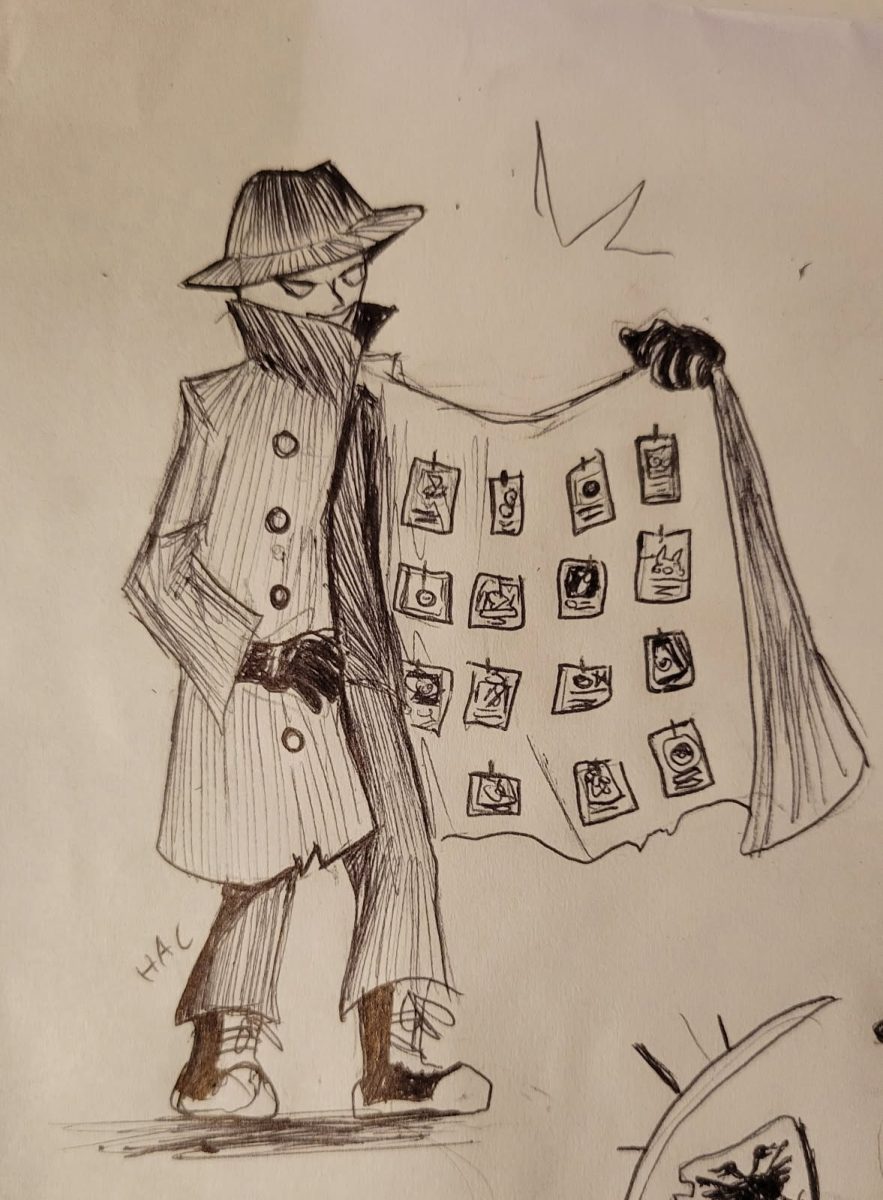
Another aspect of the manosphere is the idea of a social matrix. Influencers such as Andrew Tate advertise themselves as guides out of a “Matrix” to frame society as a system that is specifically against young men. Figures like Andrew Tate use this framework in the background of the genuine struggles of men living in the 21st century, such as jobs and mental health. 89% of content on Andrew Tate’s telegram is focused on how his version of hypermasculinity is the cure to the struggles of modern society.
This is notably tied to financial incentive: to escape this matrix, followers of people such as Andrew Tate are expected to pay money, including, notably, crypto currency. This tactic mirrors pump and dump schemes: investors invest in a chosen financial product, this time crypto currency, which shoots up in value. In return, the original investor, the scammer, gets rich and sells their portion of the stock, leaving early before the stock crashes.
The manosphere is no longer a fringe part of online communities, rather, an increasingly notable part of online discourse. Recent studies suggest that a significant portion of men now trust influencers associated with the manosphere, with some studies reporting numbers as high as 40%. But why is the manosphere so popular among young men in particular? One reason is the widespread belief that their future is hopeless. 45% of Gen-Z workers are concerned about their job stability and feel less financially secure, 70% believe they will never own a home, and nearly one-third (31%) believe they will never retire. When people aren’t able to see a sustainable future, seeing claims that changing their appearance and investing in cryptocurrency will make things better seem more attractive.
How can people combat this? An effective approach is encouraging talk and honest discussion. Creating environments where people feel comfortable sharing allows for meaningful conversation about often shared issues. This can allow room for people to address economic challenges facing young men, while differentiating it from the cure prescribed by people such as Andrew Tate. Through this, we can debunk the cure to the “matrix” and lead people into a healthy society.