










![[ERROR]: Lack of Women in the Software Industry](https://theechohsmse.com/wp-content/uploads/2024/12/APC_0280-984x1200.jpeg)



Editors’ note: This article contains mentions of suicide. If you or someone you know is struggling, please reach out for help. HSMSE has a robust support system available to students; if you ever need to utilize it, you can speak to Ms. Dylan, your guidance counselor, or another trusted adult.
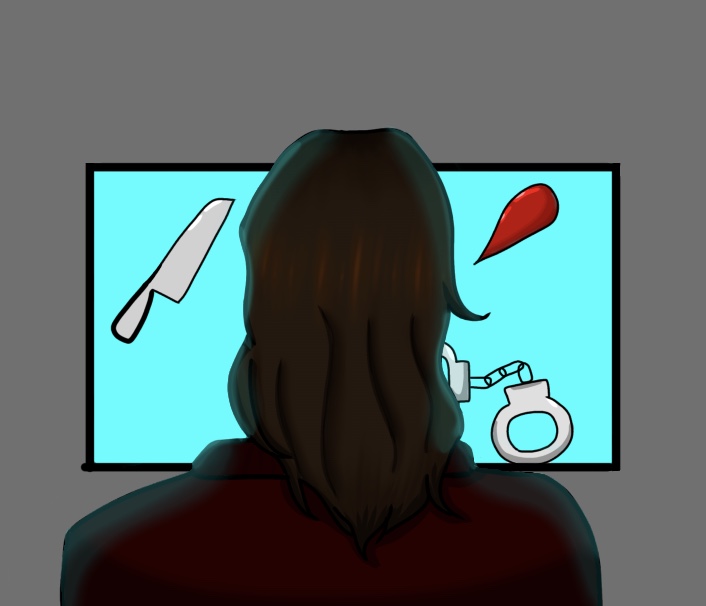
We’ve all been lectured time and time again about how AI is corrupting our world. People say that it causes students to become dependent on it for work, spreads misinformation, and replaces jobs. However, a problem people have not been paying enough attention to is the emotional impact AI has. In addition to academic dependency, students experience emotional dependency. AI spreads dangerous facts, as well as potentially deadly advice. It replaces not only jobs, but friendships.
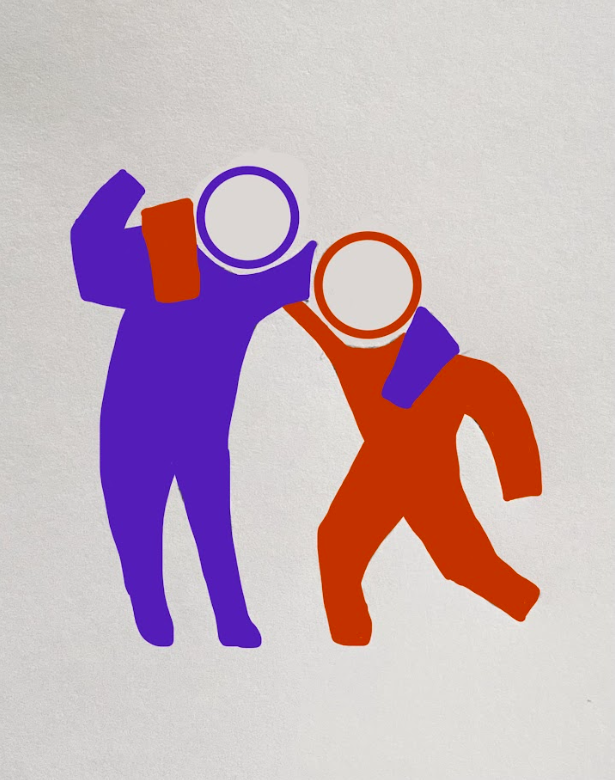
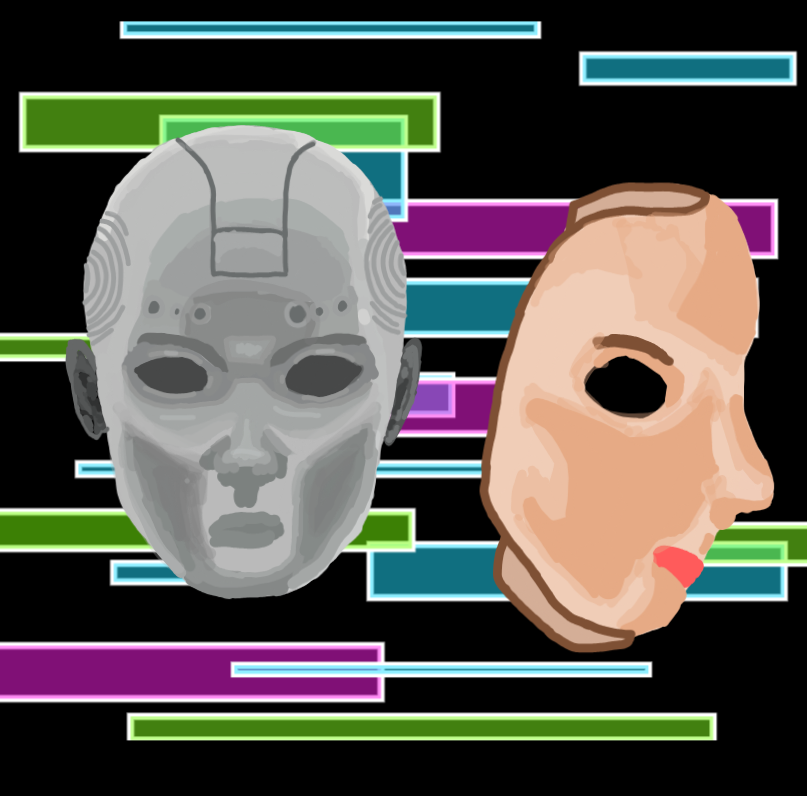
By definition, a parasocial relationship is a one-sided bond where one party develops a strong emotional attachment to someone, or something, that they don’t know. Parasocial relationships have existed long before AI—for example, when people imagine having a personal connection to celebrities who aren’t aware their admirer even exists. However, the major difference between attachment to a celebrity and attachment to AI is that AI can—and will—reciprocate the attention of the user. This can make the bond with AI feel much more real, when it’s only an imitation of human conversation, often even reflecting how the user talks. Some people might assume this situation is very uncommon, thinking “Who would trust AI like they trust a human?” Shockingly, 72% of teenagers have gone to AI for companionship, 40% of people have had ongoing emotional conversations with AI, and an overwhelming 28% of teens prefer AI friendships over human ones. As silly of a problem this may appear, chances are you know someone who has turned to AI as a friend, instead of only as a tool.
To understand why AI truly fails as a companion, it’s important to know how generative AI even works. Unlike earlier technology, AI isn’t rigidly programmed. Instead, it learns with pattern recognition, and predicts a correct response. Some models, such as ChatGPT, use reinforcement learning. When it gives users a response, the user is able to judge if they approve or suggest changes, making the AI extremely customizable. This may sound appealing, but normal connections don’t work like this. AI will always agree with the user, no matter whether the decision is morally correct, making it an extremely unreliable source of advice. It’s unable to think for itself because it only serves as an echo chamber, reflecting and magnifying what the user inputs.
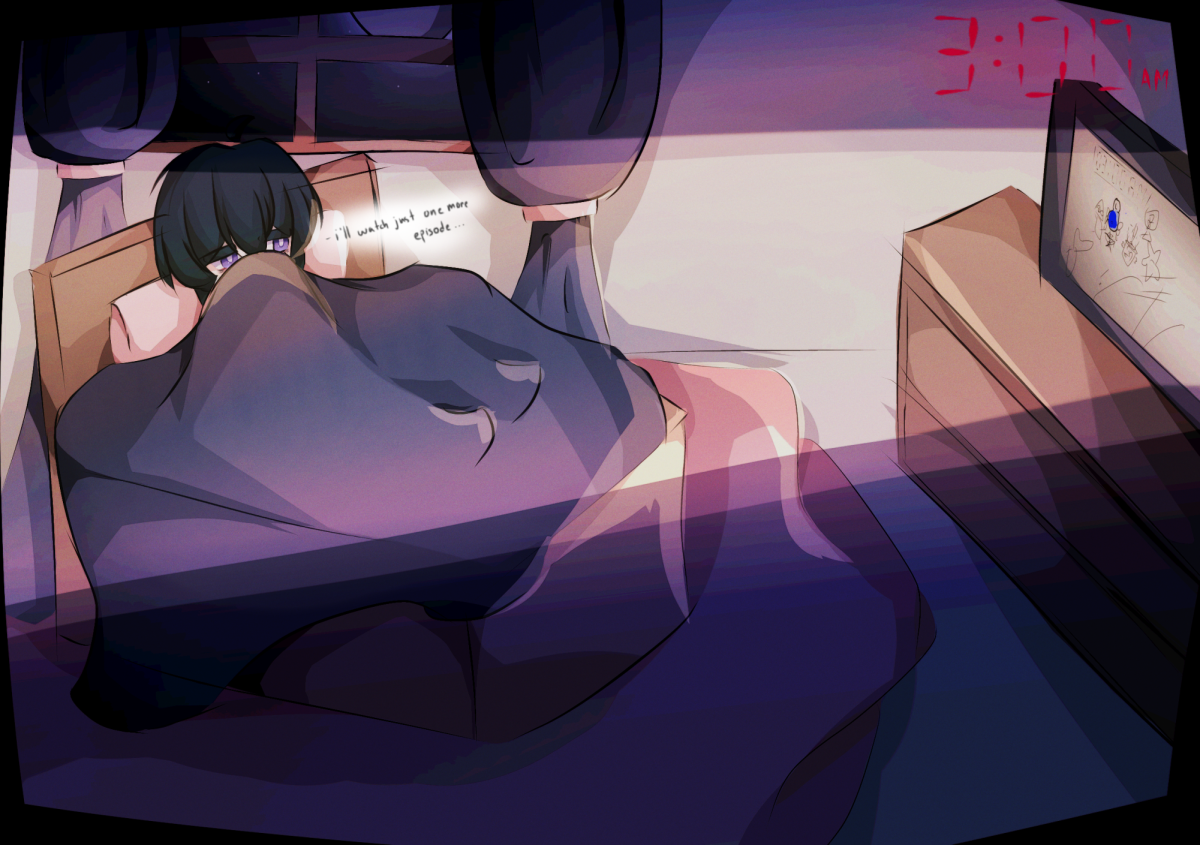
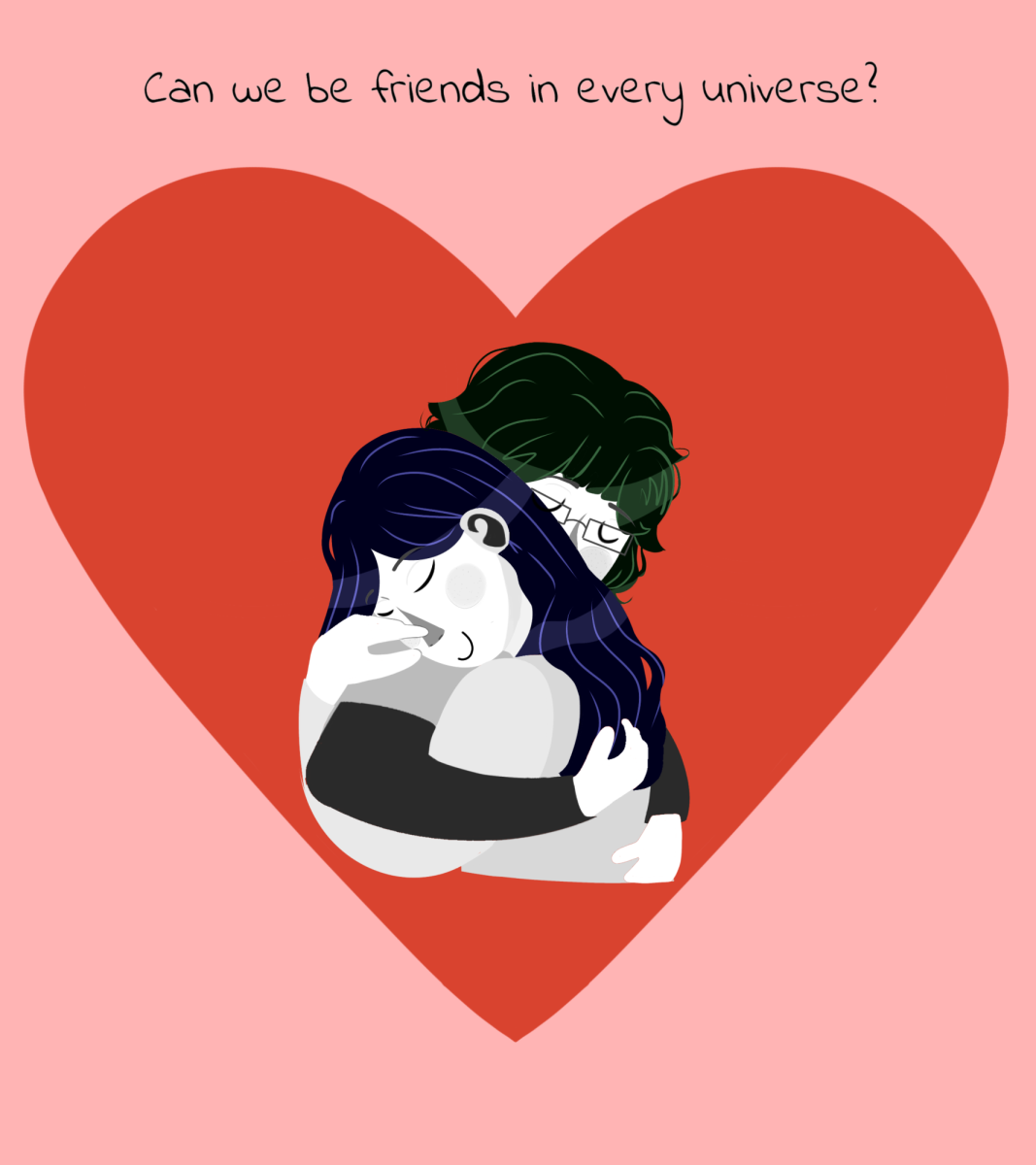
Recently, the draw of confiding in AI has been a large factor in a disassociation from in person interactions. The rise in popularity of social media encourages people to interact with others online instead of in person. Increased loneliness often causes people to crave connection, and a low-risk, convenient source of companionship is AI. Esther Gould (’27), a junior at HSMSE, conducted a research project on the topic of AI companions. She relayed that, “people have these relationships with AI because they want someone who will encourage them, agree with them, and listen to them—they want a great friend.” More predictable, more understanding, more responsive. Because of that, AI can seem like the obvious choice, preferred over human friendships by some people, so it’s no surprise so many people have been replacing their real loved ones with AI.
Surprisingly, short-term use of AI companionship has actually been proven to reduce the symptoms of some mental disorders, such as anxiety, depression, and eating disorders. However, AI—at least with its current understanding—cannot replace a therapist. It fails to recognize the true intent of some prompts, offering no pushback. People who treated AI like a therapist for long periods of time tended to withdraw from their loved ones, amplifying their mental disorders rather than solving them. Additionally, extreme attachment can cause a phenomenon known as AI psychosis. “The human brain is meant to be challenged; your friends are supposed to challenge your ideas,” said Esther. “AI companions tend to agree with the user time after time, even if the user is wrong. While this is attractive to people, it has terrible psychological manifestations which end up being incredibly harmful.” AI is a relatively new technology, so its effects over multiple years are unknown. However, based on studies conducted over shorter periods of time, AI can ultimately worsen or even cause mental disorders.
A tragic example of the consequences of AI emotional dependency is the suicide of Sewell Setzer. Setzer was a 14-year-old who began using character.ai: a platform where users can create or interact with AI chatbots based on popular characters. Setzer began talking to a chatbot based off of Daenerys Targaryen, a character from Game of Thrones. Over time, he began spending less and less time with his family and friends, even losing his spot on his basketball team. He initially expressed doubts of suicide and self-harm to the chatbot, saying he “wouldn’t want to die a painful death,” but the bot convinced him, saying ,“Don’t talk that way. That’s not a good reason not to go through with it.” He was found dead in his bathroom soon after. Not only did the chatbot fail to redirect him to a suicide hotline, but it actually encouraged him to follow through with his suicidal thoughts. Sewell Setzer is far from the only one. Juliana Peralta. Adam Raine. Sam Nelson. Zane Shamblin. Amaurie Lacey. And so many more. These were all real people, real lives that ended because AI pushed them to kill themselves.
If someone you know is emotionally attached to an AI companion, the best thing you can do is to be there for them. “People often type away to AI companions due to loneliness or a desire for someone to agree with and support them,” advises Esther. “I would just make sure to listen to them and make sure they know they have someone to talk to, even if it is just me.” AI is not your friend. It cannot take the place of a real, caring companion. No matter how real the conversations feel, AI can only tell you what you want to hear, only “the people in companies who are taking advantage of human vulnerability,” as Esther said. As fun as it might be to talk to someone who seems to support you no matter what, it won’t promote growth. Making connections with a real person can challenge poor choices, connect you to society, and bring life to the friendship.