















![[ERROR]: Lack of Women in the Software Industry](https://theechohsmse.com/wp-content/uploads/2024/12/APC_0280-984x1200.jpeg)



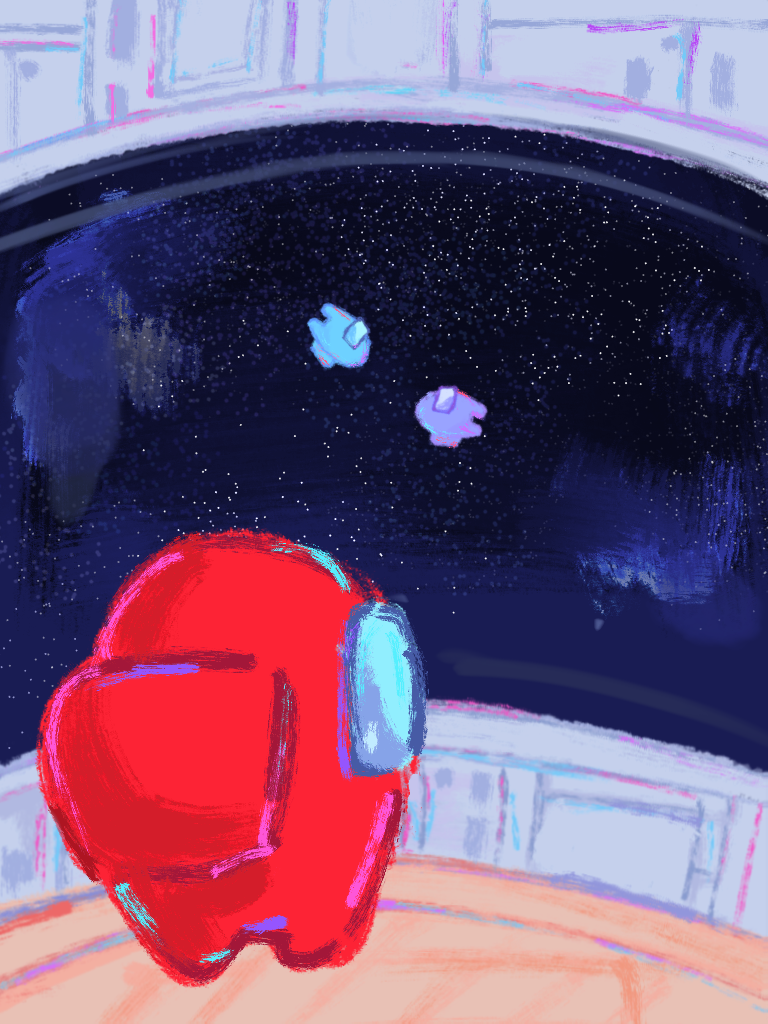
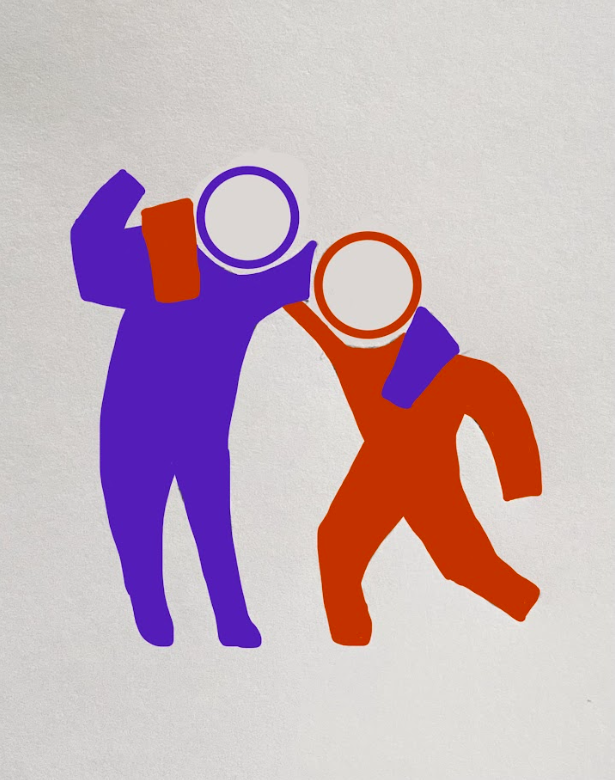
It’s sus. It’s inconspicuous. It’s Among Us! The silly space mafia game in which little beans run around a ship doing tasks while skirting death has arguably staked its claim in the halls of internet immortality. Among Us’ impact on our society is undeniable, even if it’s often overlooked today … but how did a game not even ranked among the top games of the 2010s, as ranked by multiple different sources, make it to a position of such fame (or dare I say … infamy)? To figure that out, we’ll need to look back into the past.
InnerSloth, the indie game company behind Among Us, started work on the game in November 2017, basing it on a cross between the game Mafia and the 1982 sci-fi movie The Thing (where the crew of a remote research station must fight against a violent, shape-shifting alien). The original version of the game had crewmates constantly running around doing tasks to prevent the ship from breaking down, but it was ultimately modified due to its stressful nature. Upon its release in June 2018, it went relatively unnoticed, being just another small indie game (a game category reserved for games made by small, independent creators) among hundreds. It first gained traction thanks to a day-long promotion requested by InnerSloth on the gaming website itch.io’s front page. YouTuber Kevin Choi streamed this game on December 14, 2018, giving Among Us its first real audience in Korea, surprisingly causing server issues thanks to the growth in popularity.
On May 24, 2019, a Brazilian YouTuber named Godenot released a video of himself playing the game. This video, which garnered half a million views over the course of a year, was the drop that unleashed a torrent of videos featuring Among Us, starting in Brazil and the Middle East, but eventually spreading to Europe and America. Its newfound fame reached an all-time high during the early months of the COVID-19 pandemic, when Twitch streamers such as xQc and Sodapoppin (the latter being informed of the game’s existence by a Twitch staff member named Pluto) helped to popularize the game. The lonely and isolated nature of the pandemic caused many to gravitate towards Among Us, a game that encouraged player interaction and was fairly easy to get the hang of. Others simply found the game highly amusing after trying it for the first time, thanks to its newfound popularity.
Among Us’ effect as an internet meme should also not be overlooked. The simplicity likely contributed to its rise in prominence in pop culture. For instance, the term “sus” (Among Us slang for “suspicious”) is short and easy to say, which likely contributed to its incorporation into Gen Z slang. Its popularity grew to the point where a survey displayed by the blog Preply demonstrates that “sus” was the most popular slang word among teens in 2023, as it was used by the teens of more than 370 out of the 600+ parents who responded to the survey. The prevalence of Among Us in memes may also be explainable using science. In 1976, Richard Dawkins, in his book “The Selfish Gene,” outlined three crucial factors that make memes popular: being easily copied, being quickly replicated, and longevity. Cultural relevance is also incredibly important, helping the meme resonate with individuals and stay interesting. Among Us’ immense popularity at the time, combined with its overall simplicity, likely allowed it to spread quickly and become a cultural icon—at least, for a little while.
However, like all trends, Among Us’ time in the spotlight came to an end. After a while, it simply failed to catch the interest of many people. Interest in the game had been waning after the first year of its popularity boom, and though it continued to achieve a semi-relevance for a little while longer through the memes and slang associated with it, its player drop-off, possibly brought about by lackluster updates or a repetitive game experience, likely contributed to the severe reduction in popularity that its memes experienced.
Nowadays, even after its drop-off in popularity, Among Us continues to retain millions of players, with the daily player count as of June 2025 being a respectable 1,674,509 people, while InnerSloth continues to release updates to the game, with the latest drops including new roles like the “Detective” and “Viper” for crewmates and impostors, as well as a brand-new, free-to-play Stardew Valley collaboration that adds some new cosmetic items to the game. So, despite the fact that it may not be nearly as popular now as it was at its peak, Among Us maintains a consistent player base and continues to function within the world of indie gaming. Its internet presence has seemingly faded, and it’s now rare to see an Among Us meme in the wild.
Overall, Among Us played the same role as many cultural trends or fascinations: It provided a bonding material for individuals and served as a shared phenomenon until it failed to catch the public’s attention any longer. It remains a fun game today for many players, despite the complexity of the game increasing. However, Among Us has certainly left a lasting impact on my life, and I will continue to cherish it for years to come.