

































![[ERROR]: Lack of Women in the Software Industry](https://theechohsmse.com/wp-content/uploads/2024/12/APC_0280-984x1200.jpeg)




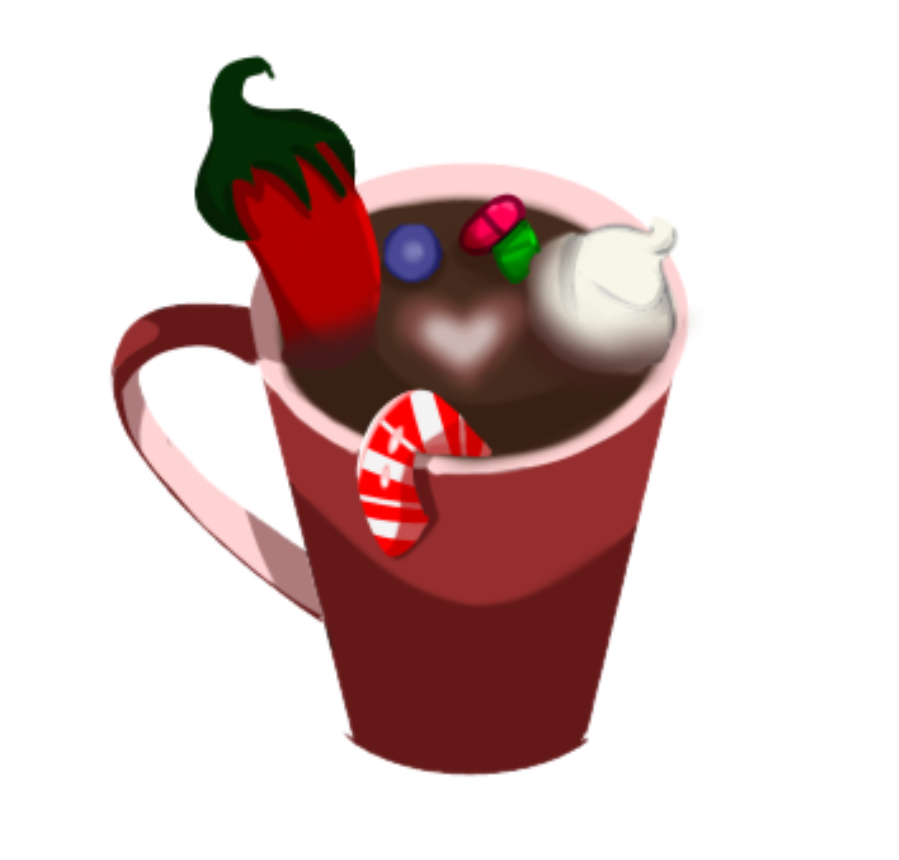
Behind every rich drink lies a richer history. With hot chocolate, this couldn’t ring truer. Hot chocolate—the perfect, sweet remedy on a bitterly cold day—dates all the way back 500 B.C.E., when the Mayans were “drinking chocolate made from ground-up cocoa seeds mixed with water, cornmeal, and chili peppers,” according to The Spruce Eats. For the Mayans, and later the Aztecs, who called it “xocolatl,” hot chocolate was a sacred drink and a way to connect with the gods.
Chocolate was also used as a medicinal tool, often used both as a healing and preventive medicine. According to HeritageDaily, in an article titled “Medicinal and Ritualistic Uses for Chocolate in Mesoamerica,” Spanish priest Bernardino de Sahagun made a list of medical uses for chocolate while living in New Spain. Among the uses of chocolate were lessening agitation, reducing asthma, and even treating cancer. Chocolate and hot chocolate were a vital part of Mayan and Aztec culture, so much so that many cocoa ceremonies and rituals were performed in order to celebrate hot chocolate. In many countries, modern versions of these ceremonies can be found, paying homage to the rich history of the past. Tourhero describes a cocoa ceremony as “Participants [gathering] in circles, often in nature, to drink a specially prepared cacao beverage that is thought to connect them to the divine and to each other. These ceremonies in Mexico not only honor the rich cultural heritage of the indigenous people but also serve as a powerful reminder of the ancient wisdom that continues to influence modern spiritual practices.”
Yet, fast forward a few centuries, and chili peppers and spices have been traded for chewy marshmallows, airy whipped cream, and drizzles of any flavor anyone could ever want. Social media has seemed to propel the popularity of extravagant hot chocolates, from Glacé on the Upper East Side of Manhattan, with the viral fluffy marshmallow rimmed hot chocolate, to No Chewing Allowed’s fan-favorite hot chocolate with a decadent chocolate bonbon nestled at the bottom of the cup. What started as a spiced chocolate drink has transformed into a sugary sweet treat, but the importance of hot chocolate remains.
Greer Silberbush (’26) also recognizes the prominence of decorative hot chocolates all over social media, and says, “I actually prefer simpler hot chocolate because I like tasting the actual chocolate. Sometimes, too many toppings and [too much] sugar can mask the richness of the chocolate.” Greer also said that hot chocolate is one of her go-to hot beverages, bringing a sense of calm and comfort to her. In a way, she mirrors the sentiment of Aztecs and Mayans, who saw the importance of hot chocolate beyond the delightful chocolatey taste.
Whether sipped on a cold Manhattan day or in a cocoa ceremony, every sip throughout the centuries should stand as a reminder of the rich history behind such a delightful treat.