


















![[ERROR]: Lack of Women in the Software Industry](https://theechohsmse.com/wp-content/uploads/2024/12/APC_0280-984x1200.jpeg)






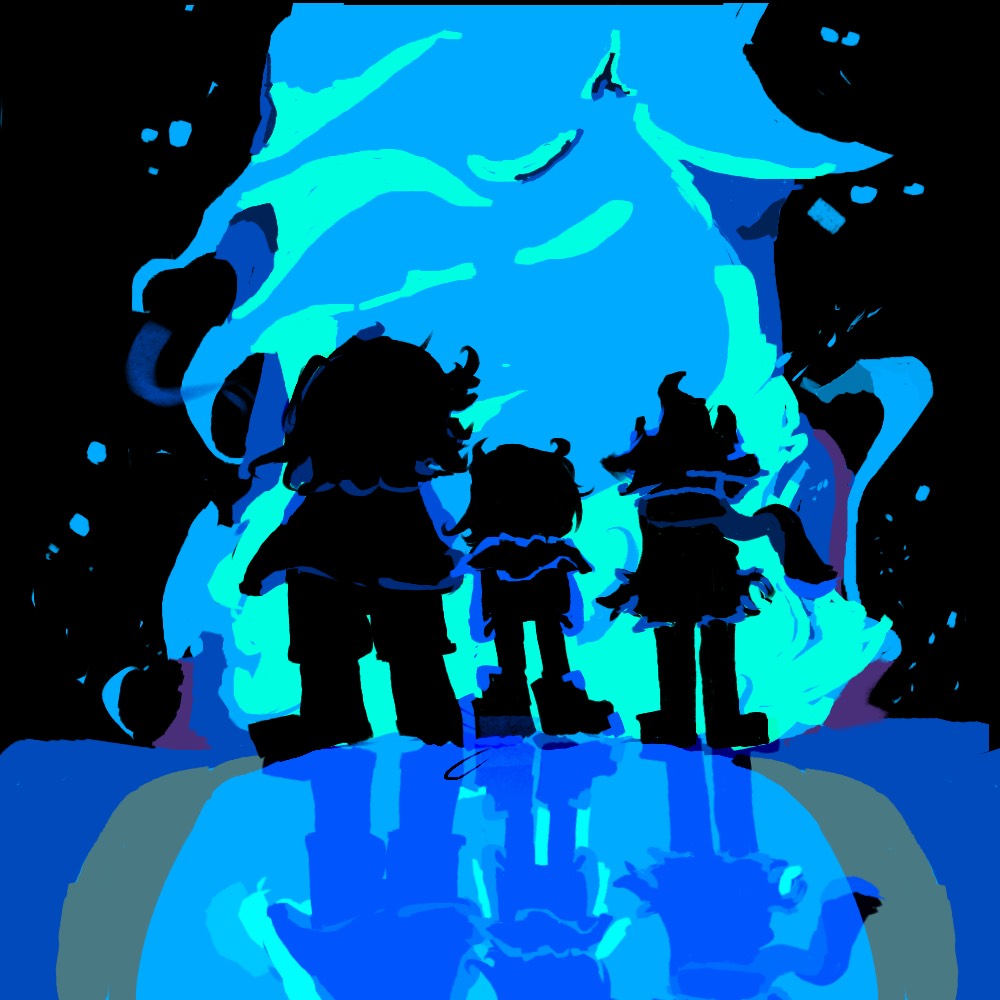
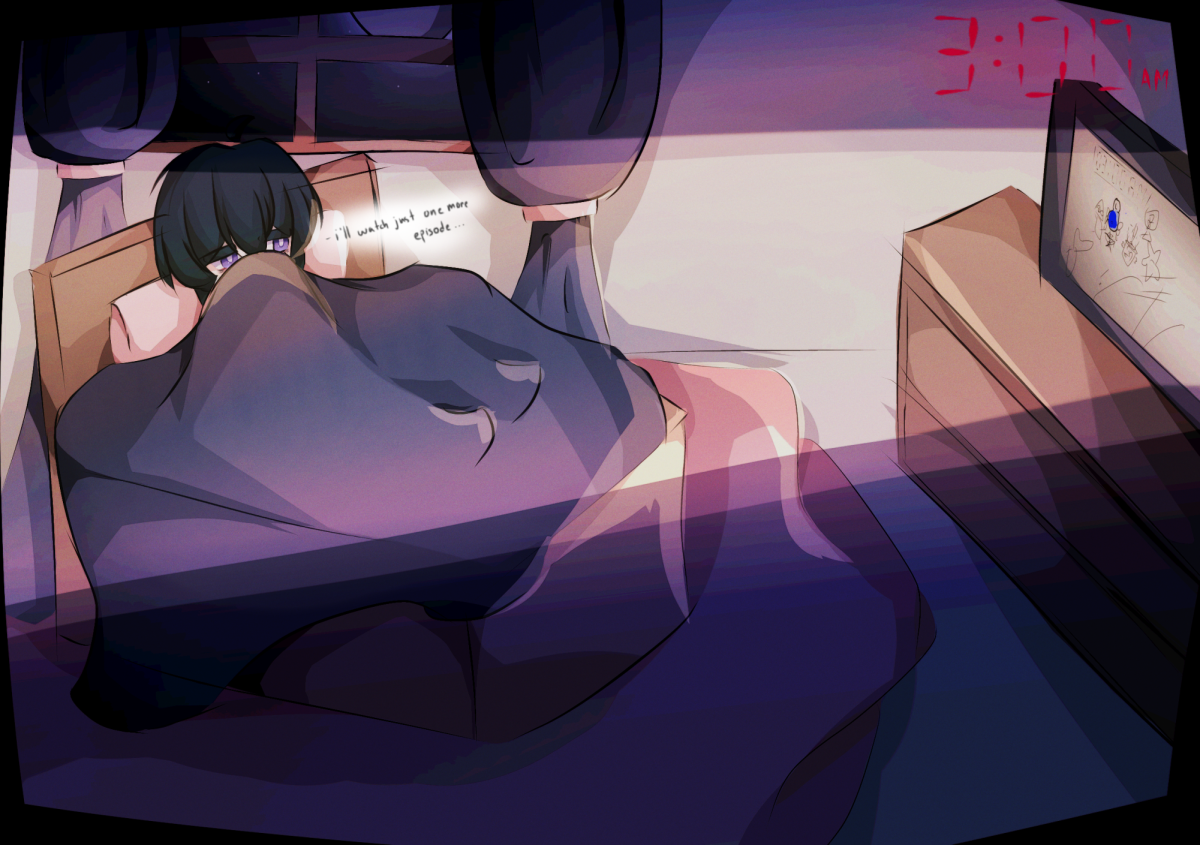
Have you ever noticed how, when you look around in a dark room, the objects within appear fuzzy and unidentifiable? When the light is running low, the border between reality and illusion can start to blur. Objects become what they are not, and monsters lurk on the edges of your vision. Of course, a room being dark only obscures your vision; nothing actually changes. But what if it did? What if, when you turned the light off, something was there with you in the dark? In the world of Deltarune, darkness isn’t as passive as it appears to be. When the shadows start to grow, the barrier between the real and the imaginary distorts enough to create a new world. This is what drives the story of Deltarune. But how did this game come to be?
Originally, the concept of Deltarune was dreamed up in 2011 by its creator, Toby “Radiation” Fox, in a vivid dream he had while down sick with a fever. In an interview from 2019, Toby stated that in that dream, he saw the ending of the game, and he became obsessed with creating the game with that ending. He attempted to make it in 2012; however, he abandoned the project before completing even a single room. Soon after, Toby went on to develop a different game known as Undertale, announcing its development (and releasing a demo version) in 2013 and launching the completed version of the game on September 15, 2015. Though Toby envisioned the concept of Deltarune first, Undertale ultimately became its beloved predecessor, combining tons of humor, character, and fun with a relatively short playthrough time, thereby challenging the notion that role-playing games, or RPGs, had to be long and graphically astounding to be successful. It also challenged the predominant “kill everything to progress” style of RPG, instead encouraging the player to take a nonviolent approach and insinuating that your choices mattered, offering many different outcomes as opposed to the relatively linear storylines of most RPGs at the time.
For those familiar with Undertale, Deltarune may on the surface appear to be its sequel. Many of its characters were originally from Undertale, and certain relationship dynamics and character traits present in the game are also present in Deltarune. However, the two games are entirely separate. Deltarune has a plot, gameplay mechanics, and supporting cast that, while being somewhat similar, largely differ from those of Undertale. Its story also incorporates a much greater volume of mystery than Undertale’s did. The lore of Deltarune has invited many a game theorist to dig through its story, dialogue, and code until their eyes turn pink and yellow. But the lore isn’t the only selling point the game has.
Deltarune’s gameplay is unique and entertaining, developed by Toby Fox and a team of coders over the course of several years. There are two aspects to the gameplay: exploration and battle. While exploring, the player can move the main character, Kris, and their companions through a series of different areas and rooms to uncover items, discover dialogue, and meet new people. The characters are as weird as they are wonderful, and the player is given the opportunity to interact with a diverse cast of both friends and foes as they set out on their journey to stop a mysterious force from carrying out their unknown motives. The game’s in-world progression could best be described as a dungeon crawl (albeit with less impediments). Moving through the world isn’t difficult; you don’t need to be a big shot gamer to learn the controls. What’s more difficult, however, is the other aspect of the game: battle.
Battle is where the gameplay gets more interesting. Though the movement options remain as simple as in progression, proper navigation suddenly becomes much more important. The battles are turn based, involving two phases: your turn and the enemies’ turn. During your turn, you can choose from a range of different actions. You’ll either fight in a party or by yourself, affecting the amount of actions you can perform during your turn. There are two ways to win battles: by depleting the opponents’ health bars or by pacifying/sparing them. There’s not a whole lot of freedom in the outcome of a battle—the result will be one or the other. It’s unclear whether Toby Fox will choose to have later parts of the game keep track of the actions during battle and adjust outcomes accordingly.
During the opponent’s turn, the player must navigate their “soul” (the little friend inside you that usually only comes out during battle, represented by a pixelated red heart) around a green battle box, avoiding the enemies’ attacks, which are mostly white. Getting hit by an attack will cause members of your party to take damage, and if your HP drops to zero, you’ll lose. Don’t worry, though—you’ll respawn at your last save point, and you can simply try again. Deltarune’s difficulty stems mostly from its battles, which can range in difficulty. Each turn on the enemies’ side yields a different attack pattern, keeping you on your toes as you maneuver the soul through each one. In short, Deltarune delivers lots of variety for such a simple battle concept and can offer an entertaining challenge to players as they progress.
You aren’t limited to simply playing the game to enjoy Deltarune. Though the game itself is highly entertaining, with loveable characters, an intriguing plot, and charming graphics, there’s something to be said about the role of the community in the enjoyment of the game. On platforms like Tumblr and Reddit, fans can discuss the game’s story, post fanart they found or made, and post memes until the next chapters come ’round. And if engaging with fellow Deltaruners isn’t your style, then you can dive into the mysterious lore of the game, with multiple yet-unveiled characters that tie into the story in suspicious ways and plot points that hint at a greater conflict yet to come. As the full game is still yet to be developed, with only four out of the seven chapters being currently available, there are plenty of unknowns surrounding the story, but there are also plenty of hints to those who are prepared to delve into the game’s secrets and attempt to uncover the truth.
Overall, the charming atmosphere, entertaining plot and varied yet simple gameplay of Deltarune make it a worthwhile play. Should you choose to take the fateful first step, you’ll find yourself immersed in a world of imagination, intrigue, and delight for hours to come.
As of writing, Deltarune is available for Nintendo Switch, Switch 2, PS4, PS5, and PC/Mac via Steam.