






















![[ERROR]: Lack of Women in the Software Industry](https://theechohsmse.com/wp-content/uploads/2024/12/APC_0280-984x1200.jpeg)






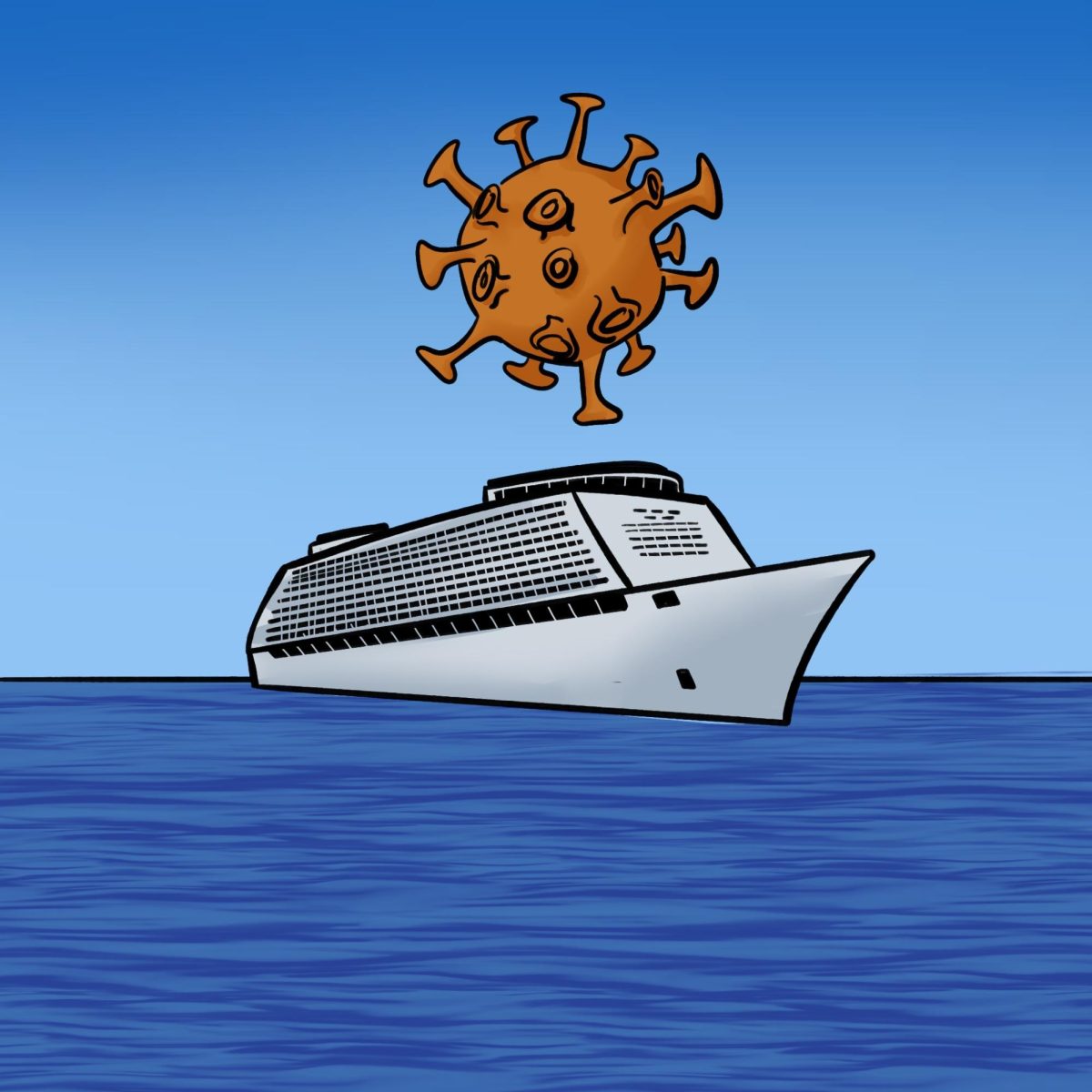
More than two years have passed since the World Health Organization (WHO) officially declared an end to the COVID-19 pandemic. Despite this, COVID-19 still poses a considerable threat to public health and safety around the world. In New York City, during this past September, there was an uptick in COVID-19 cases, hospitalizations, and deaths. To make matters worse, projection models have forecasted a second wave of COVID-19 to strike this winter.
Nowadays, most worldwide COVID-19 cases are caused by the Omicron variant which first spread rapidly during the winter of 2021–22. Since then, Omicron has diversified past a single strain and divided into a complex family of sub-variants.
At the moment, there are two strains of COVID-19 to keep an eye on: NB.1.8.1, nicknamed “Nimbus,” and XFG, nicknamed “Stratus.” Both variants are slightly more contagious than previous strains. In the past few months, Stratus has quickly become the dominant strain of coronavirus in the US, dethroning the previously reigning LP.8.1 strain. While Nimbus is present within the US, it is more widespread in other regions, such as Southeast Asia.
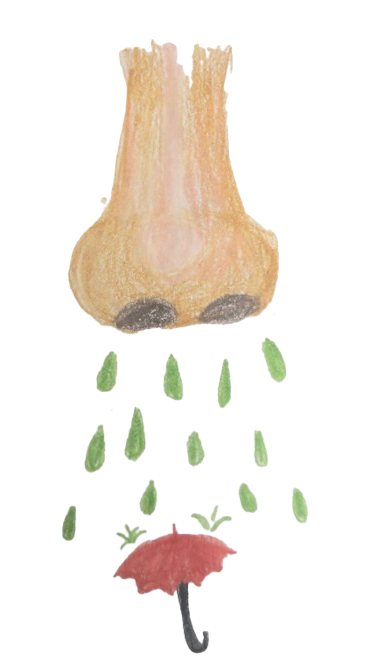
People who contracted the Nimbus and Stratus variants have reported extremely painful or hoarse throats, sometimes described as “razor blade throat” because of the intensity of the pain. These unique symptoms are caused by Omicron’s tendency to target the upper respiratory system— including the throat— more than the lungs. Despite this, Nimbus and Stratus are not likely to pose additional risks relative to other variants, according to the WHO. Patients with these strains are no more likely to become very sick than patients with other strains, and it is unlikely that there will be a massive outbreak like in 2021.
The current and future situations of COVID-19 (and public health in general) are likely to be impacted by actions taken by US President Donald Trump’s administration. In addition to a series of executive actions targeting the US’s global cooperation, Donald Trump has implemented hefty budget cuts aimed at the Center for Disease Control (CDC), firing over 1,000 workers on October 11 (during the government shutdown). Though many workers were reinstated the next day, these cuts still greatly hampered the ability of the CDC to coordinate proper responses to disease outbreaks.This wasn’t Trump’s first round of budget cuts to affect public health in the US. This May, Trump aimed to enact budget cuts on most government institutions; medical institutions such as the CDC and National Institutes of Health (NIH) were disproportionately affected.
For more information, we reached out to Dr. Liana Dao, a physician at a Mount Sinai Clinic in Chelsea. Dr. Dao reported an increase in cases at the beginning of September. She also noted that the yearly trend of COVID-19 transmission is that it “usually rises when people go on vacation and come back home,” suggesting future increases in cases may occur “at the end of Thanksgiving when people come back home, end of Christmas, and during the New Year.”
On the painful sore throat symptoms reported by people infected with Nimbus and Stratus, Dao states that “we see it every day because there are so many different types of viruses.” She added that she sees a patient with an extremely painful sore throat around once a week, and that “Anyone who comes in with a sore throat, we rule COVID out for.”
The CDC’s advice to stay safe from COVID-19 has stayed largely the same: get vaccinated. Even President Trump did so, receiving updated COVID-19 and flu vaccines in October. While the vaccines aren’t fully effective at preventing people from contracting current variants, they can greatly reduce your risk of severe illness or Long COVID. Experts have projected a second spike in COVID-19 cases this winter, so people should check their eligibility to receive a booster shot. While Dr. Dao encourages people to receive the COVID-19 vaccine around October, she reiterates that it is never too late to get vaccinated and protect yourself and others.
If you feel sick, stay home and self-test for COVID-19. Even mild symptoms like a sore throat or a runny nose could be signs of COVID-19. Nowadays, it is not as easy to get tested for free, but most pharmacies have rapid antigen tests available for sale. If you already have some at home, check that they are not expired. Even if you test negative, re-test 48 hours later. Even when you are infected and symptomatic, it is still possible to have too low of an antigen level for the test to detect it. Dr. Dao adds “if you’re feeling sick, stay home because you can get other people sick.”
If you must leave the house while sick, wear a face covering, such as a cloth mask or surgical mask, to reduce the risk of infecting others. The CDC’s current quarantine guidelines state that if you have been fever-free for at least 24 hours without any fever-reducing medications and your symptoms are mild and improving, you are okay to resume day-to-day activities. However, it is wise to be cautious and wear a face covering for the first few days after resuming daily activities. Dr. Dao adds, “Wear a mask … for at least ten days, especially when you’re around people. It could be any mask, it doesn’t really have to be the N-95. And of course, wash your hands.”
While COVID-19 may not be the emergency that it used to be, it is still a serious threat to our community and should not be ignored. We all have a collective responsibility to minimize the spread of the virus in order to promote the well-being of our community.