













![[ERROR]: Lack of Women in the Software Industry](https://theechohsmse.com/wp-content/uploads/2024/12/APC_0280-984x1200.jpeg)



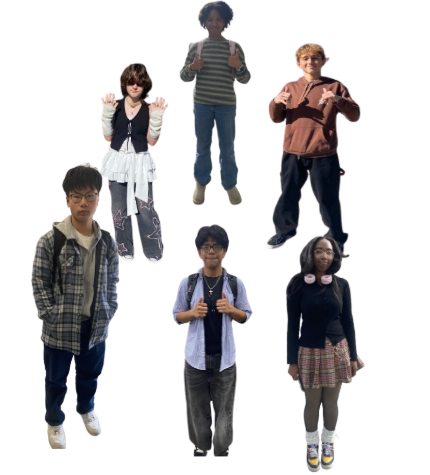
At the High School for Math, Science, and Engineering, self-expression isn’t confined to words—it walks the hallways. From oversized hoodies and grey sweatpants to vibrant Nikes, students communicate their moods, personalities, and intentions through what they wear. A cozy hoodie might signal comfort or a need for warmth, while sweatpants suggest a laid-back attitude or a desire to blend in. Eye-catching sneakers often hint at boldness, individuality, or a splash of creative flair. But behind these looks is a deeper story, one shaped by creativity and cost. Students navigate tight budgets with thrifted finds, hand-me-downs, and savvy sales, proving that self-expression doesn’t have to come with a high price tag.
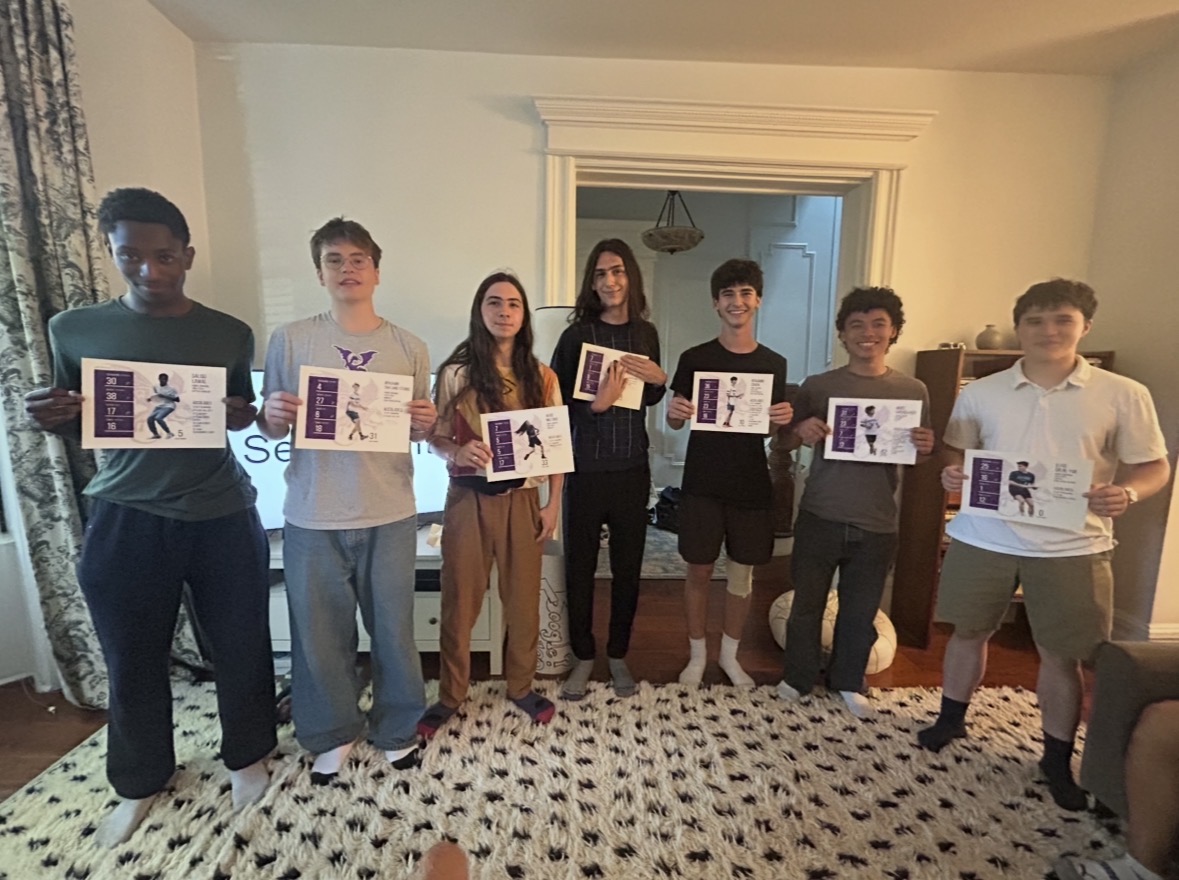
To understand how style takes shape in the halls of HSMSE, I spoke with students who shared their fashion philosophies, budgeting tips, and the personal meaning behind their favorite outfits. Their voices reveal a culture where individuality thrives and every hoodie has a story. Some dress for confidence. Max Drill (’27), whose style is “calm, baggy, and me,” chooses outfits that make him feel self-assured. For him, fashion is personal, not performative. “Don’t wear stuff for other people,” he says, encouraging students to stay true to themselves when getting dressed. “The haters are always going to have something to say. Just wear what you want to wear.”
Christopher Crescencio (’27) describes his style as “casual, streetwear, and fast fashion.” He shops mostly at H&M and occasionally visits a thrift store just a few blocks from HSMSE called Urban Revolvers. “Low-key, I need budgeting tips,” he admits, though he still encourages beginners to start with basics that complement the outfit and then add accessories for more definition.
Others embrace the chaos of their outfits, mixing bold patterns, clashing colors, and unexpected layers with fearless confidence. Esther Gould (’27) thrives on layering and unpredictability, describing her fashion as “hand-me-down” and full of mixed elements. She’s passionate about thrifting and reducing her reliance on fast fashion, recommending real thrift stores for better finds. “You can find so many cooler things in an actual thrift store—more potential and more affordable.”
Maya Draus (’29) finds confidence in her signature look of “jewelry and ruffles,” layering accessories to elevate her outfits. She shops at Francesca’s, Amazon, and Hot Topic, and loves experimenting with belts and chains. “I like using my chains as a belt—that’s my favorite thing,” she says.
Steven Hidalgo (’27) sees fashion as a reflection of personality, especially outside of school. He describes his style as “everywhere, my heritage, and my personality.” He layers based on the season, explaining that in summer he might wear bandanas around his belly or waist, while in winter he’s open to long sleeves, tank tops, and other combinations.
Isabella Vizcaino (’29) embraces a philosophy of pure self-expression. Her style mantra is simple: “Wear whatever you want.” She describes her fashion as “really what I wanna wear,” emphasizing freedom over conformity. For Isabella, getting dressed isn’t about trends or approval—it’s about honoring her own instincts.
Kira Saintvill (’26) echoes that spirit of defiance and freedom. “I’d say scene, whatever I want honestly,” she says of her style. Her fashion philosophy is bold and unapologetic. “Don’t care about [what] people [think] about what you wear. If someone says something doesn’t go, they’re lying and everything goes. If I can put it on, I can put it on. I’m not gonna burn in flames if my shirt doesn’t match my pants.”
Bocong Kuang (’29) brings a thoughtful approach to his style, focusing on structure and layering. “I like outer wear, inner wear, and layering,” he says, highlighting the importance of building outfits with intention. He encourages others to explore fashion more deeply. “I recommend people first research about different styles,” he advises, suggesting that understanding the basics can help anyone find their own look.
At a school where uniforms aren’t required, fashion becomes a way for students to show who they are beyond academics. It’s a daily act of self-expression that helps build confidence, spark creativity, and even start conversations. At HSMSE, fashion is less about trends and more about truth. Whether it’s chaotic, confident, or cozy, every outfit tells a story—and every student is the author.